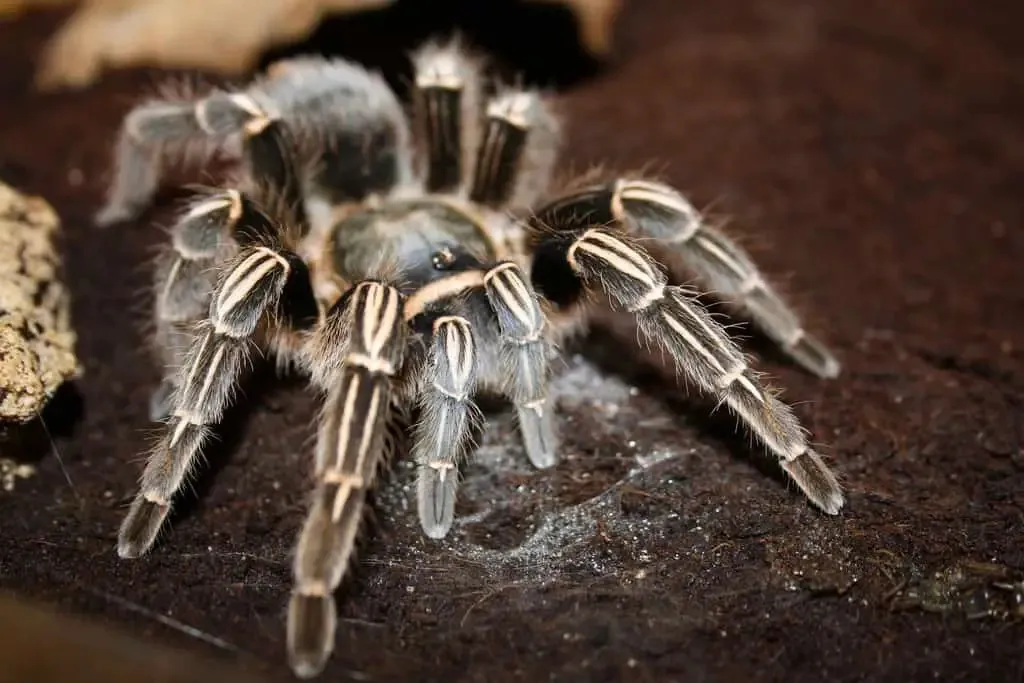
The Zebra Leg Tarantula, a striking and captivating arachnid, has become a popular choice for both novice and experienced invertebrate keepers. Their relatively docile nature, combined with their beautiful black and white striped legs, makes them a fascinating addition to any collection. However, like any pet, Zebra Leg Tarantulas require specific care to thrive. This guide focuses on the top 5 essential care tips to ensure your tarantula lives a long, healthy, and fulfilling life. By following these guidelines, you can provide the best possible environment for your Zebra Leg Tarantula, allowing you to enjoy the unique experience of owning this amazing creature.
Choosing the Right Zebra Leg Tarantula Enclosure
The enclosure is the cornerstone of your Zebra Leg Tarantula’s well-being. A properly sized and furnished habitat provides security, facilitates natural behaviors, and helps maintain the necessary environmental conditions. A poorly designed enclosure can lead to stress, health issues, and even escape attempts. The choice of enclosure will impact every aspect of tarantula care, making it a crucial first step for responsible pet ownership. It is important to consider size, ventilation, and accessibility when selecting your tarantula’s home.
Enclosure Size
A general rule is to provide an enclosure that is at least three times the tarantula’s leg span in width. While Zebra Leg Tarantulas are terrestrial, a little extra vertical space is beneficial for adding decorations and providing opportunities for exploration. A small juvenile can start in a smaller enclosure, gradually increasing the size as it grows. Overly large enclosures, especially for younger tarantulas, can make it difficult for them to find food and can lead to stress. When the spider is small, a deli cup with ventilation holes can serve as a suitable home. As the spider molts and grows, it’s time to upgrade the enclosure size.
Substrate and Furnishings

The substrate serves as the tarantula’s ground cover and provides a burrowing medium and helps maintain humidity. A mix of peat moss, coconut fiber, and a small amount of vermiculite is a good choice. Avoid substrates with sharp edges or chemicals. Furnishings such as a hide, a water dish, and a few decorations like cork bark or artificial plants provide enrichment and security. The hide offers a safe retreat where the tarantula can feel secure, especially during molting. Decorations can mimic the spider’s natural habitat. Make sure all decor is stable so it won’t fall and injure the tarantula. The substrate should be deep enough for the tarantula to burrow if it chooses.
Maintaining Optimal Temperature and Humidity
Creating the right environmental conditions is critical for your Zebra Leg Tarantula’s health. Temperature and humidity directly affect its metabolism, molting process, and overall well-being. Failure to provide the correct environment can lead to health problems and even death. The ideal conditions mimic the tarantula’s natural habitat, ensuring that it thrives and displays its natural behaviors. Regular monitoring and adjustments are essential to maintain these conditions throughout the year.
Temperature Requirements
Zebra Leg Tarantulas thrive in temperatures between 75°F and 85°F (24°C and 29°C). A heat lamp or under-tank heater can be used to maintain this temperature, but it is important to monitor the temperature carefully to avoid overheating. Avoid placing the heater directly under the hide. Use a thermometer to monitor the temperature within the enclosure. Place the thermometer on the side of the enclosure and not directly on the heat source. Make sure the temperature gradient exists and is appropriate, allowing the spider to regulate its body temperature. If the enclosure becomes too warm or too cold, it can cause significant health problems.
Humidity Control

Humidity is vital for successful molting. Maintaining humidity levels between 60% and 70% is generally ideal for Zebra Leg Tarantulas. This can be achieved by misting the enclosure with dechlorinated water, typically once or twice a week. The frequency of misting depends on the ventilation and the type of substrate used. A hygrometer is essential for monitoring humidity levels. Avoid over-misting, as this can lead to mold growth. Proper ventilation is also important to prevent the build-up of stagnant, humid air. If the enclosure is too dry, the tarantula may have difficulty molting. If the enclosure is too humid, it can lead to mold and bacterial growth.
Feeding Your Zebra Leg Tarantula
Proper feeding is essential for the health and growth of your Zebra Leg Tarantula. A well-fed tarantula is a healthy tarantula. Understanding the right food, the correct feeding frequency, and the importance of fresh water will ensure your tarantula gets the nutrition it needs. Overfeeding can lead to obesity, while underfeeding can stunt growth and compromise health. Careful observation and adjustment of your feeding schedule are essential for a thriving tarantula.
Appropriate Food
The primary food source for Zebra Leg Tarantulas should consist of live insects. Crickets, dubia roaches, mealworms, and superworms are all suitable options. The size of the insect should be appropriate for the tarantula’s size. As a general rule, the insect should be no larger than the tarantula’s abdomen. Variety in the diet is beneficial. Before feeding, gut-load the insects with nutritious food for 24 hours to provide the tarantula with more vitamins and minerals. Avoid feeding insects that have been exposed to pesticides or insecticides. Provide water crystals or a small piece of fruit to the insects.
Feeding Frequency

The feeding frequency depends on the age and size of the tarantula. Spiderlings (young tarantulas) should be fed every other day. Juvenile tarantulas can be fed two to three times a week. Adults can be fed once a week or every other week. Observe your tarantula’s abdomen size. If it is large and plump, it may not need to be fed as often. Remove any uneaten insects within 24 hours to prevent stress and potential harm to the tarantula. Adjust the feeding schedule based on the tarantula’s individual needs and appetite, always prioritizing the animal’s health.
Providing Fresh Water
Clean, fresh water is crucial for your Zebra Leg Tarantula’s hydration. Water is essential for all biological functions, including molting and digestion. Ensuring that your tarantula has access to a clean water source is one of the most important aspects of their care. Contaminated water can lead to health problems. Provide clean water and maintain it regularly.
Water Dish Options
A shallow water dish is essential. The dish should be stable and easy to clean. Bottle caps or shallow dishes specifically designed for tarantulas are good choices. Make sure the dish is not too deep, as young tarantulas could potentially drown. If using a bottle cap, ensure it is securely placed and will not tip over. Place a small piece of sponge or pebbles in the water dish to provide the tarantula with a place to drink safely. Regularly check the water level and refill as needed.
Water Quality

Always use fresh, dechlorinated water. Tap water often contains chlorine and other chemicals harmful to tarantulas. Allow tap water to sit out for 24 hours to allow chlorine to evaporate, or use a water conditioner. Change the water at least twice a week to prevent the growth of bacteria and algae. Clean the water dish regularly with warm water and a mild soap, ensuring all soap residue is removed. Inspect the water dish for any signs of algae or contamination. A clean water source is essential for the health and well-being of your Zebra Leg Tarantula.
Handling and Safety Precautions
Handling a Zebra Leg Tarantula is not generally recommended unless absolutely necessary. While they are relatively docile, they can still bite if they feel threatened. Their bites can be painful, and some individuals may have allergic reactions. It’s crucial to understand both the risks and the proper safety precautions. Prioritizing the safety of both the tarantula and yourself is paramount. Observe the tarantula’s behavior and learn how to handle it safely, if handling is unavoidable.
Safe Handling Techniques
If handling is necessary (e.g., during enclosure maintenance), do so with extreme caution. Wash your hands thoroughly before and after handling to remove any potential contaminants. Approach the tarantula calmly and gently. Avoid sudden movements or loud noises, as these can startle the spider. If the tarantula is in its burrow, it’s best to leave it undisturbed. Use a soft paintbrush to gently coax the tarantula onto your hand, if needed. Never try to grab or force the tarantula. Always handle the tarantula over a soft surface, such as a bed or a low table, in case it falls. Be aware of the tarantula’s body language and put it back in its enclosure if it appears agitated or stressed. Avoid prolonged handling, as this can stress the tarantula.
Understanding Tarantula Behavior

Observe your Zebra Leg Tarantula’s behavior to understand its needs and preferences. Learn to recognize signs of stress, such as defensive postures (rearing up, flicking hairs), and adjust your care accordingly. The tarantula may try to escape if it feels threatened. A tarantula’s feeding habits, its molting cycle, and its overall activity levels can all provide insights into its health and well-being. The more you learn about your tarantula’s natural behaviors, the better you can provide for its needs. Avoid disturbing your tarantula during its molting process. The knowledge of tarantula behaviors is key to successful ownership.
Caring for a Zebra Leg Tarantula can be a rewarding experience. By following these 5 care tips, you can create a thriving habitat for your pet and enjoy the fascinating world of these unique creatures. Remember, the key to success is consistent care, attentive observation, and a commitment to providing a safe and stimulating environment. With the right knowledge and dedication, you can enjoy the wonderful companionship of your Zebra Leg Tarantula for many years to come.