Why Pink Toe Tarantulas Web
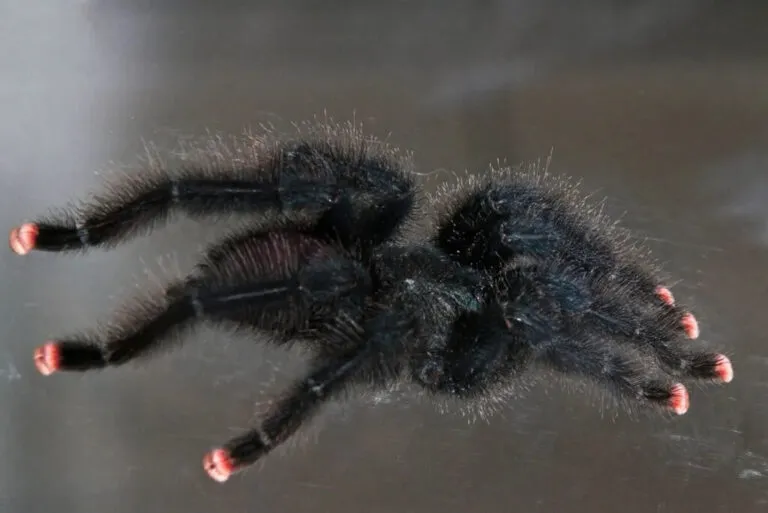
Pink Toe Tarantulas, known for their arboreal lifestyle and characteristic pink toe pads, are fascinating creatures. One of the most captivating behaviors is their web-spinning. But why do they do it? Webbing serves multiple crucial purposes. Primarily, it provides a secure habitat, a place to anchor themselves and their home. The web acts as a safety net, reducing the risk of falls. Furthermore, these webs create a microclimate within the enclosure, helping to maintain the required humidity levels. They also act as a hunting ground, with strands strategically placed to capture unsuspecting prey. Finally, webbing can also serve as a means of communication, potentially indicating a tarantula’s overall health and well-being.
Understanding the Webbing Behavior of Pink Toe Tarantulas
Webbing behavior in Pink Toe Tarantulas can vary depending on several factors, including the individual tarantula’s personality, age, and environmental conditions. Newly acquired tarantulas may initially exhibit less webbing while they acclimate to their new environment. As they settle in, they usually start creating more elaborate webs. Sub-adult and adult tarantulas, generally known for their webbing, construct more complex webs to facilitate their hunting. Observing your tarantula’s webbing patterns over time will help you understand its behavior and detect any anomalies. If your Pink Toe Tarantula isn’t webbing, it might be because of a few key reasons which we are going to explain in this article, these are the environmental, physical and behavioral factors.
Temperature and Humidity Impacts

Temperature and humidity play a significant role in the webbing behavior of Pink Toe Tarantulas. These conditions directly affect the tarantula’s comfort and ability to thrive, which in turn influences its webbing activities. When the temperature is too low, tarantulas may become lethargic, reducing their activity levels and web-building. Similarly, if the humidity levels are too low, the tarantula can experience dehydration, which impacts its ability to produce the silk needed for webbing. The opposite is also true, a very humid environment can lead to fungal growth and other health issues. Finding the sweet spot is essential for creating a thriving habitat.
Optimal Temperature and Humidity Levels for Webbing
For optimal webbing, the ideal temperature range for a Pink Toe Tarantula is between 75-80°F (24-27°C). It’s crucial to maintain a stable temperature within this range to encourage normal activity and web production. As for humidity, Pink Toe Tarantulas thrive in an environment with 70-80% humidity. This high humidity level is essential for their overall health. To measure these, use a reliable thermometer and hygrometer to monitor the environment, ensure the readings are accurate. Place the thermometer and hygrometer in a position that reflects the general conditions inside the enclosure. Consider the use of a digital meter for more accurate readings.
Maintaining Proper Humidity for Webbing
Maintaining adequate humidity involves several strategies. Regularly misting the enclosure with dechlorinated water is an easy method. Doing this in the morning or evening is usually best to mimic natural conditions. The type of substrate also contributes to humidity levels; substrates that retain moisture, like coco fiber or sphagnum moss, are ideal. Adequate ventilation is also vital. While high humidity is necessary, excessive humidity can lead to mold and bacterial growth. Proper airflow allows the enclosure to maintain moisture and airflow without trapping moisture. Another helpful tip is to provide a water dish large enough for your tarantula to drink from and help maintain the humidity level.
Enclosure and Habitat Issues

The enclosure and habitat setup are critical for your Pink Toe Tarantula’s well-being. An inappropriate environment can discourage webbing, which is a sign of a stressed tarantula. The enclosure should be large enough to provide space for the tarantula to move around, and build webs without feeling restricted. The placement of the enclosure is also important; avoid placing it near drafts or direct sunlight. These factors can affect the tarantula’s behavior, making it less likely to build webs.
The Importance of Enclosure Size and Setup
The enclosure should be properly sized for your Pink Toe Tarantula, too small and the tarantula may not feel secure enough to build a web. A good rule of thumb is to provide an enclosure that’s at least three times the tarantula’s leg span in length. The height should be sufficient to allow for arboreal behaviors, since they live in trees. Interior setup is also essential. Provide vertical structures like cork bark, branches, and artificial plants. These features give the tarantula something to anchor its web onto, and offer climbing opportunities. Ensuring these elements are secure and non-toxic is also important, which will help promote natural web-building behaviors.
Selecting the Right Substrate and Decor
The substrate and decor choices play a key role in encouraging Pink Toe Tarantulas to web. The substrate should retain moisture, contributing to the required humidity levels. Coco fiber, sphagnum moss, and peat moss are all excellent choices. The substrate should be deep enough for the tarantula to burrow if it chooses to, providing a sense of security. As for decor, include items the tarantula can use to construct its web. These may include branches, cork bark, and artificial plants. The decor also offers hiding places, reducing stress. Make sure the decor is clean, non-toxic and securely placed within the enclosure.
Stress and Environmental Factors

Stress is a significant factor that can prevent your Pink Toe Tarantula from webbing. Environmental stressors, such as sudden noises, vibrations, or frequent disturbances, can disrupt their natural behaviors. A tarantula that feels threatened will likely hide rather than engage in activities like web-building. Other factors include the presence of other pets or loud noises. Understanding and managing these stressors is crucial for the tarantula’s well-being.
Recognizing Stress in Pink Toe Tarantulas
Identifying signs of stress can help you take proactive steps. Common signs of stress in Pink Toe Tarantulas include hiding excessively, refusing food, or exhibiting defensive postures. Defensive postures may include lifting their front legs or flicking hairs. A stressed tarantula may also pace restlessly or try to escape the enclosure. If you notice these behaviors, you should immediately assess the tarantula’s environment and identify potential stressors. This awareness allows you to take corrective actions quickly.
Minimizing Stress for Optimal Webbing
To minimize stress, place the enclosure in a quiet area away from foot traffic and loud noises. Avoid sudden movements or vibrations near the enclosure. Handle your tarantula only when necessary and always with caution. Ensure the enclosure provides ample hiding places and security. Maintain a stable environment with consistent temperature and humidity. Provide a balanced diet and regular access to water. All these steps will help your tarantula feel safe and secure. A healthy, unstressed tarantula is more likely to exhibit natural behaviors such as webbing.
Diet and Nutrition Role

Proper nutrition is essential for all aspects of a tarantula’s health, including webbing. A malnourished tarantula may lack the necessary resources to produce silk for web-building. A balanced diet that provides essential nutrients will support silk production, allowing for the construction of robust and elaborate webs. The type of food, feeding frequency, and overall nutritional value all contribute to the tarantula’s ability to create and maintain webs.
How Nutrition Affects Webbing
The nutritional content of the tarantula’s diet directly impacts silk production. Silk is a protein-based substance, so adequate protein intake is essential. The diet should also include other nutrients, such as fats and carbohydrates, to provide energy. A diet deficient in any of these components can result in poor silk production and reduced webbing. Always choose the right insects, and supplement the diet with essential vitamins and minerals.
Optimal Diet for Pink Toe Tarantulas
The staple diet for Pink Toe Tarantulas typically consists of appropriately sized insects, such as crickets, roaches, and mealworms. The size of the prey should match the tarantula’s size. It’s important to gut-load the insects before feeding them to your tarantula. Gut-loading involves feeding the insects nutritious foods like fruits, vegetables, and commercial insect food, to ensure they are packed with vitamins and minerals. Provide fresh water to your tarantula at all times. Avoid overfeeding, and remove uneaten food to prevent mold and bacterial growth.
Molting and Webbing Patterns
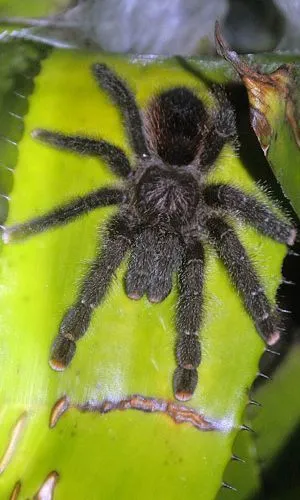
Molting is a natural process where tarantulas shed their exoskeleton to grow. The webbing patterns can change before and after a molt. Before molting, the tarantula may reduce its activity and webbing. After molting, the tarantula may rebuild its web, sometimes with different patterns. Understanding the relationship between molting and webbing patterns helps you gauge your tarantula’s health and anticipate these behavioral changes.
Webbing Patterns Before and After Molting
Before molting, a Pink Toe Tarantula might become less active. They might reduce the amount of webbing, sometimes even tearing down existing webs. They will often prepare for molting by creating a denser, more secure web near the ground, which acts as a safety net during the process. After molting, you will notice the tarantula will be more active and begin to rebuild its web. The webbing may initially be sparse as the new exoskeleton hardens. They may resume their usual elaborate webbing patterns once they fully regain their strength.
What to Do If Your Pink Toe Tarantula Isn’t Webbing
If your Pink Toe Tarantula isn’t webbing, it’s important to systematically address the potential causes. First, check and ensure the temperature and humidity levels are within the appropriate ranges. Check the enclosure size, substrate, and decor. Minimize stressors by ensuring a quiet environment and avoiding frequent disturbances. Assess the diet and ensure that your tarantula is eating a balanced diet. Observe your tarantula’s overall behavior, and if you see any signs of illness, such as lethargy, loss of appetite, or unusual posture, seek advice from an experienced tarantula keeper or veterinarian. Correcting the underlying issues will encourage natural behaviors like web-building.
Conclusion

The absence of webbing in your Pink Toe Tarantula could be an indicator of issues in its environment. By carefully monitoring the temperature, humidity, enclosure setup, and stress levels, you can create an ideal habitat for your tarantula. This also encourages natural behaviors like web-building and ensures your pet’s overall well-being. With proper care and attention, you can enjoy the fascinating behaviors of your Pink Toe Tarantula and the intricate webs it creates.