The Allure of Utah Tarantula Spiders
Utah, a state known for its stunning landscapes, is also home to a fascinating creature that often goes unnoticed—the Utah tarantula spider. These impressive arachnids are a captivating part of the local ecosystem, and they spark curiosity and sometimes, a little bit of fear. Understanding these creatures is key to appreciating their role in nature. This article delves into five captivating facts about Utah tarantula spiders, providing a comprehensive look at their lives, habitats, and significance in the wild. Prepare to be amazed by the secrets of these eight-legged wonders, hidden amongst the red rocks and arid terrains of the Beehive State. From their hidden habitats to their unique survival strategies, the Utah tarantula spider has a lot to offer for those willing to learn more. Let’s get started!
Fact 1: Utah Tarantula Spider’s Habitat
Utah tarantula spiders are highly adapted to the arid and semi-arid environments of the state. These spiders primarily inhabit areas with specific environmental conditions that support their survival. They are commonly found in regions characterized by dry climates, sparse vegetation, and rocky terrains. The spiders prefer to burrow underground, creating burrows to escape extreme temperatures and to ambush prey. These burrows are typically found in areas with loose soil that is easy to excavate, often near rocks or other structures that provide stability and protection from predators. Because of their preference for this type of environment, the distribution of Utah tarantula spiders is primarily concentrated in the southern and western parts of Utah, where these conditions are most prevalent. This includes areas such as the Mojave Desert and other desert regions.
Where They Thrive

The ideal habitat for Utah tarantula spiders is a blend of specific environmental factors. They thrive in regions where temperatures are high during the day and cooler at night, offering a crucial temperature gradient for their survival. The spiders also require access to adequate moisture levels, which they often obtain from the soil, dew, and the prey they consume. The presence of suitable prey such as insects, smaller spiders, and even small vertebrates like lizards is another crucial aspect of their habitat. Moreover, the spiders often select habitats that provide cover from predators such as birds, coyotes, and larger reptiles, ensuring their safety. Understanding these preferences allows one to better appreciate the areas where these amazing creatures thrive and to support their preservation efforts. They also often select areas where the soil is easily workable and allows them to create the intricate burrows that are so vital for their survival.
Fact 2: Physical Characteristics
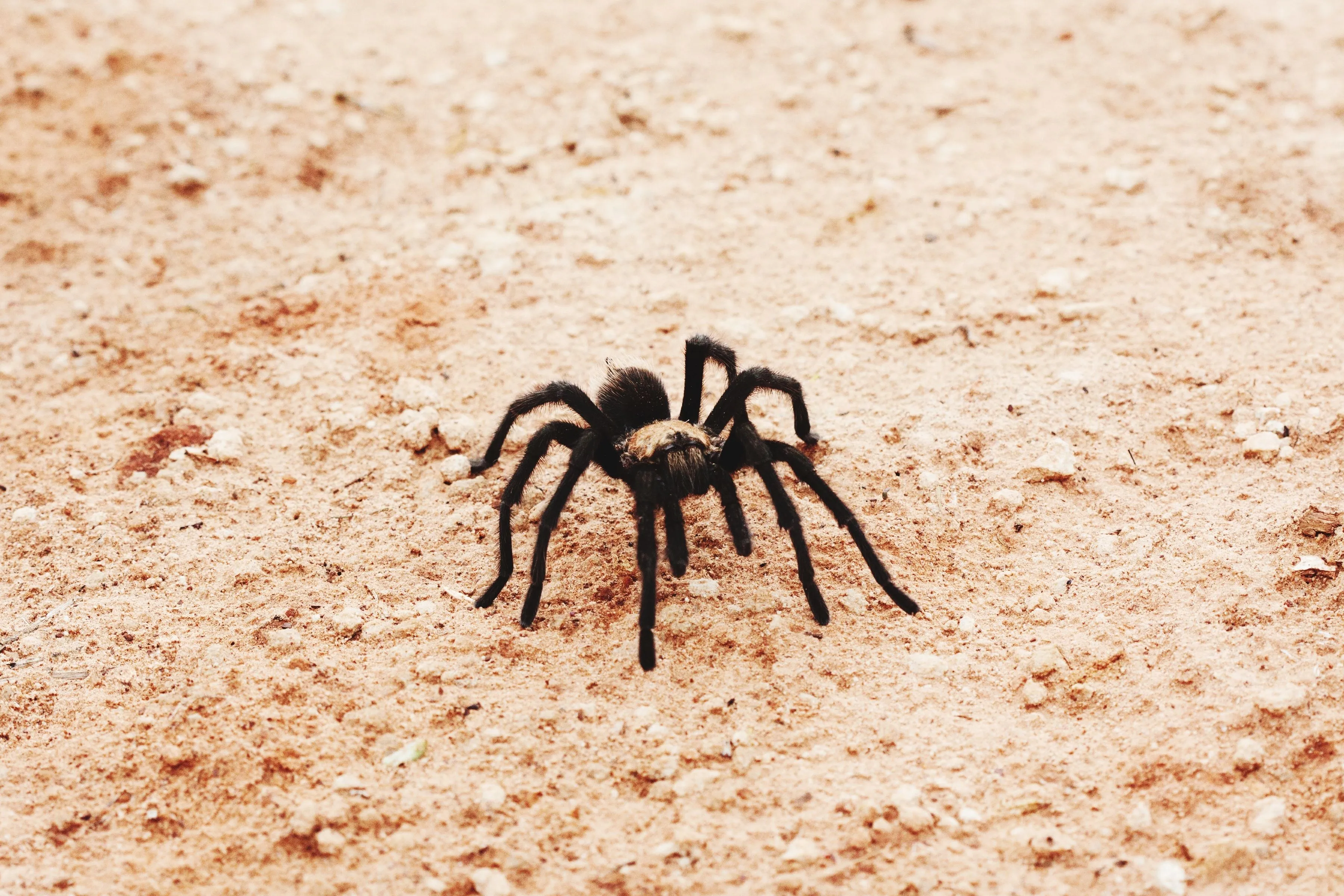
Utah tarantula spiders are distinguished by their impressive size and striking physical traits. They are among the largest spiders found in North America, with females often growing larger than males. The body of an adult Utah tarantula can span several inches, including their legs, which are covered in fine hairs. The coloration of these spiders varies, usually in shades of brown, tan, or black, that helps them blend in with their environment. Their bodies are divided into two main segments: the cephalothorax (fused head and chest) and the abdomen. They have eight eyes arranged in a specific pattern, and their large fangs, or chelicerae, are capable of delivering venom to subdue their prey. These spiders also have spinnerets at the end of their abdomen, which produce silk for building webs, lining their burrows, and assisting in reproduction. The physical features of the Utah tarantula are not only fascinating but also critical for their survival.
Identifying Features
Identifying a Utah tarantula spider involves observing several key features. The size is usually a good indicator. Look for a large, hairy spider with a body length that can range from 2 to 4 inches or more. The coloration is typically a shade of brown or tan, allowing for camouflage in their environment. Check for the presence of dense hairs covering their legs and body, which are essential for sensory perception and defense. The spiders have two prominent fangs and eight eyes arranged in a distinct pattern, so careful observation can help confirm their identity. Observing their behavior, such as burrowing habits and their nocturnal activity patterns, can also help in identification. However, it is essential to observe tarantulas from a safe distance, as they can deliver a painful bite if they feel threatened. The combination of these physical and behavioral traits is what distinguishes Utah tarantulas from other spider species found in the state.
Fact 3: Diet and Feeding Habits

Utah tarantula spiders are formidable predators with a diet primarily consisting of insects, other spiders, and occasionally small vertebrates. They are ambush hunters, patiently waiting for their prey near the entrance of their burrows or under cover. Their diet varies depending on the season and the availability of food, including crickets, beetles, grasshoppers, and even small lizards and mice. When an unsuspecting prey ventures close, the tarantula swiftly attacks, injecting venom through its fangs to paralyze the victim. The spider then uses digestive enzymes to liquefy the prey’s internal organs, allowing it to consume the nutrient-rich liquid. They have a voracious appetite and can eat frequently, especially during their growth phases. Knowing their diet is essential for understanding the ecological role of these spiders and their impact on the food web within the Utah desert ecosystems.
What They Eat
The diet of a Utah tarantula spider consists of a wide range of prey that they capture in their desert habitats. Insects form a significant portion of their meals, including crickets, beetles, and grasshoppers, which are abundant in the arid environment. They also consume other spiders, including smaller tarantulas and other arachnids that might wander into their territory. Depending on the size and maturity of the tarantula, the diet can extend to larger prey, such as small lizards, mice, and even baby birds that they might encounter. The spiders are opportunistic feeders, taking advantage of whatever prey is most accessible. They often adjust their hunting strategy depending on the time of year and the availability of various prey. The diet of these spiders plays a critical role in maintaining the balance of the local ecosystem. They are important predators that help control the populations of many insects and small animals.
Fact 4: Life Cycle of Utah Tarantula Spiders
The life cycle of Utah tarantula spiders is a fascinating journey that begins with their hatching from eggs and continues through several stages of growth. Female tarantulas lay hundreds of eggs inside a silk egg sac, which they carefully guard. The eggs hatch into spiderlings, miniature versions of the adult spider. These spiderlings then undergo a series of molts, shedding their exoskeletons to grow larger. Tarantulas can molt several times during their lives, and the frequency of molting decreases as they mature. The spiders typically take several years to reach adulthood, with females living much longer than males. During the mating season, male tarantulas leave their burrows in search of females, often facing risks from predators and other males. Once they mate, the female lays eggs and continues her life cycle, while the male usually dies soon after mating. Knowing the life cycle of Utah tarantulas helps us understand their longevity, development patterns, and the challenges they face.
Stages of Development

The development of Utah tarantula spiders involves several distinct stages, each marked by critical changes in their physical and behavioral characteristics. The cycle begins with the egg stage, where the eggs develop within a protective silk sac guarded by the female. Next, the spiderlings emerge from the eggs, appearing as tiny, immature versions of adult spiders. These spiderlings go through several molting phases as they grow, shedding their exoskeletons to allow for further development. During each molt, the spiders shed their old skin and grow larger. As the spiders mature, they develop their adult colors and characteristics, including the ability to mate and reproduce. The adult stage marks the final phase, where the spiders focus on mating and, in the case of females, laying eggs to continue the cycle. Understanding these stages of development is vital for appreciating the complexity of their lives and their adaptability to their environment.
Fact 5: Conservation Status
The conservation status of the Utah tarantula spider is generally considered to be of concern, as they face various threats that impact their population. Habitat loss due to human activities, such as urbanization, agriculture, and development, is a major factor. The spiders’ natural habitats are shrinking as these activities encroach on their territories. Climate change also poses a threat, as shifting weather patterns and increasing temperatures could impact their survival. Over-collecting by enthusiasts and the pet trade has also contributed to population declines in some areas. Awareness and conservation efforts are necessary to protect these magnificent creatures, including habitat preservation, responsible land management, and educational initiatives. By understanding the threats they face, we can work to ensure the long-term survival of the Utah tarantula spider.
Threats and Protection
The Utah tarantula spider faces a multitude of threats, primarily influenced by human activities and environmental changes. Habitat destruction is a major concern, as development, agriculture, and urbanization diminish the availability of suitable habitats. Climate change poses a threat by altering temperature patterns, leading to drought conditions and disrupting the spiders’ ability to survive. Over-collecting by enthusiasts and the pet trade also contributes to population decline. The use of pesticides and other chemicals can poison or reduce the spider’s food sources. To protect these amazing creatures, various conservation efforts are being undertaken. Habitat preservation, land management practices, and reducing the impact of climate change are all critical. Educating the public about the importance of the Utah tarantula spiders can also foster a sense of respect and responsibility for the species.
Conclusion

Utah tarantula spiders are truly remarkable creatures that deserve our respect and protection. These spiders, adapted to the harsh desert environment, possess unique physical and behavioral traits that enable them to thrive. From their habitats and diets to their life cycles and conservation status, every aspect of their existence tells a story of survival and adaptation. As we have learned, these spiders are not just interesting; they also play a vital role in their ecosystem, helping to maintain ecological balance. By understanding the challenges they face and supporting conservation efforts, we can help ensure that these amazing spiders continue to fascinate and inspire us for generations to come. It is our responsibility to protect the wild beauty of Utah and its inhabitants, including the often-misunderstood Utah tarantula spider.