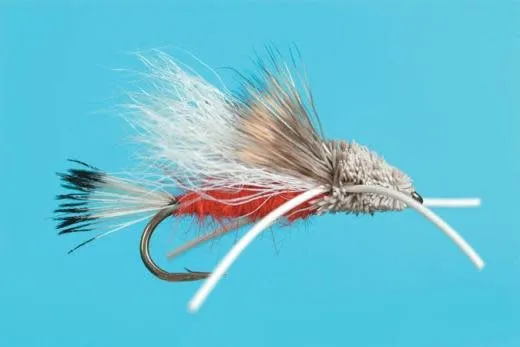
The Turk’s Tarantula fly pattern has earned its reputation as a top producer in fly fishing, particularly when targeting trout. Its effectiveness lies in its ability to mimic various terrestrial insects, making it a versatile choice for anglers. This article provides you with the top 5 tips to mastering this fly pattern and maximizing your success on the water. By understanding these key elements, from matching the hatch to effective presentation, you can significantly increase your chances of landing that trophy trout. Let’s dive into the secrets of the Turk’s Tarantula and unlock its full potential.
Turk’s Tarantula Fly Pattern Top 5 Tips
Tip 1 Matching the Hatch
One of the most critical aspects of fly fishing, especially when using the Turk’s Tarantula, is matching the hatch. This involves observing the local insect activity to understand what the trout are feeding on. This fly pattern excels because it imitates a variety of terrestrial insects that often end up on the water’s surface, providing trout with an easy meal. Understanding the specific insects present in your fishing location and the time of year is paramount to effectively employing the Turk’s Tarantula.
Understanding the Importance of Imitation

The Turk’s Tarantula is designed to imitate insects that trout commonly feed on. This imitation is crucial for tricking trout into striking the fly. While it doesn’t have to be a perfect match, the more closely your fly resembles the natural insects in size, shape, and color, the more likely you are to succeed. Observe the sizes and colors of the insects you see on the water or nearby to guide your fly selection. This will boost your confidence in the fly, making it more effective.
Identifying Local Insects and Conditions
Spend time observing the water’s surface and the surrounding vegetation to identify what insects are present. Knowing the prevalent insects and their emergence times will significantly increase your chances of success. Weather conditions also play a role, as wind often blows terrestrial insects onto the water. Sunny and warm days tend to have more insect activity compared to the cold days. Consider these factors when choosing and presenting your Turk’s Tarantula.
Tip 2 Material Selection
The materials you choose for your Turk’s Tarantula will greatly influence its effectiveness. Selecting the right hook, body material, and leg material can make a significant difference in the fly’s presentation and durability. Using high-quality materials ensures your fly looks more realistic and can withstand the rigors of fishing. Experiment with different materials to see which combinations work best in your specific fishing environment. Let’s explore each component to enhance your fly tying skills.
Choosing the Right Hook

The hook is the foundation of your fly. Choose a hook size appropriate for the size of the insects you are trying to imitate and the size of the trout you are targeting. A hook with a wide gap and strong wire will provide a better hookset and increase your chances of landing fish. Barbless hooks are often preferred for catch-and-release fishing and are easier to remove from a fish’s mouth. A properly selected hook enhances the fly’s effectiveness.
Selecting Appropriate Body and Leg Materials
Body materials should mimic the shape and color of the insects you are trying to represent. Popular choices include dubbing, foam, and spun deer hair. For legs, rubber legs or synthetic materials offer excellent movement and create a buggy appearance. Consider the durability of your materials. Rubber legs, for example, are durable and provide enticing movement. Select materials that provide a good balance of appearance, movement, and durability to make the Turk’s Tarantula more attractive to trout.
Tip 3 Tying Techniques
The way you tie your Turk’s Tarantula can significantly affect its effectiveness. Mastering specific tying techniques is essential for creating a fly that is both realistic and durable. Techniques for creating lifelike legs and achieving the proper body shape are key to success. Practice is the only key to perfect fly-tying. These techniques make the fly more attractive to fish, providing a realistic presentation. This fly is designed to entice trout to strike.
Creating Realistic Legs

Realistic legs are a hallmark of a good Turk’s Tarantula. Rubber legs or synthetic materials provide excellent movement in the water, mimicking the appearance of insect legs. When tying the legs, ensure they are properly positioned and splayed out to create a natural appearance. Use a thread to create a secure base for the legs, and trim them to the correct length. Properly tied legs improve the overall presentation and make the fly more appealing to fish.
Achieving Proper Body Shape
The body shape is crucial for imitating the silhouette of various terrestrial insects. Techniques for creating a segmented body using dubbing or foam can make a significant difference. The body should be proportionate to the hook size and the intended insect imitation. Pay attention to the taper of the body to ensure it looks natural and appealing. A well-shaped body enhances the fly’s realism and makes it more attractive to trout.
Tip 4 Presentation and Retrieval
How you present and retrieve the Turk’s Tarantula can be as important as the fly itself. Mastering effective casting techniques and choosing the right retrieval methods are critical for success. Remember that the goal is to present your fly in a way that triggers a strike from a trout. Experiment with different casting and retrieval techniques to discover what works best in different water conditions and with different trout behaviors. Let’s explore these aspects in more detail.
Effective Casting Techniques

Accuracy and stealth are key when casting the Turk’s Tarantula. Aim to present the fly naturally, avoiding dragging or splashing on the water. A gentle presentation is essential. Consider the wind conditions and any obstructions when casting. Practice different casting techniques, such as roll casts and sidearm casts, to adapt to various fishing scenarios. Precise casting increases your chances of getting a good drift and tempting a trout to strike. Practice regularly to enhance your casting skills and fishing success.
Retrieval Methods to Trigger Strikes
Experiment with different retrieval speeds and styles to find what triggers strikes. Sometimes a dead drift is effective, allowing the fly to float naturally. Other times, a slight twitch or a slow retrieve can entice trout. Observe how trout are reacting to your presentation and make adjustments accordingly. Keep your retrieve natural. Varying your retrieval methods will increase the chances of a strike and improve your fishing results.
Tip 5 Fishing the Turk’s Tarantula
Knowing where and when to fish the Turk’s Tarantula can greatly increase your success. The right water conditions and locations, as well as an understanding of trout behavior, are crucial for a rewarding fishing experience. This fly pattern thrives in diverse environments and with varying trout behaviors. Tailoring your approach to the specific conditions can make all the difference in your fishing trip. Let’s explore the important factors.
Ideal Water Conditions and Locations

The Turk’s Tarantula is most effective in riffles, pocket water, and along the banks where terrestrial insects are likely to fall into the water. Look for areas with overhanging vegetation and currents that create eddies. These locations provide ideal feeding grounds for trout. Consider the time of day and the weather conditions, as trout behavior and insect activity change throughout the day. Adapt your approach to the specific water conditions and location for better results.
Adapting to Different Trout Behaviors
Trout behavior can vary depending on the time of day, weather, and the availability of food. Be prepared to adjust your presentation and fly selection based on the trout’s activity. If trout are actively feeding on the surface, a well-presented Turk’s Tarantula can be deadly. If they are less active, a slow retrieve or a change in fly size or color might be necessary. Observing trout behavior and adapting your techniques is essential for success in fly fishing. It’s a constant process of learning.
By implementing these top 5 tips, you will be well on your way to mastering the Turk’s Tarantula fly pattern. Remember to match the hatch, select high-quality materials, practice your tying techniques, and pay attention to presentation and retrieval. The Turk’s Tarantula is a versatile and effective fly that, when used correctly, can significantly enhance your fly-fishing success. So, gear up, head to the water, and put these tips into practice. Happy fishing!