What is a Tarantula
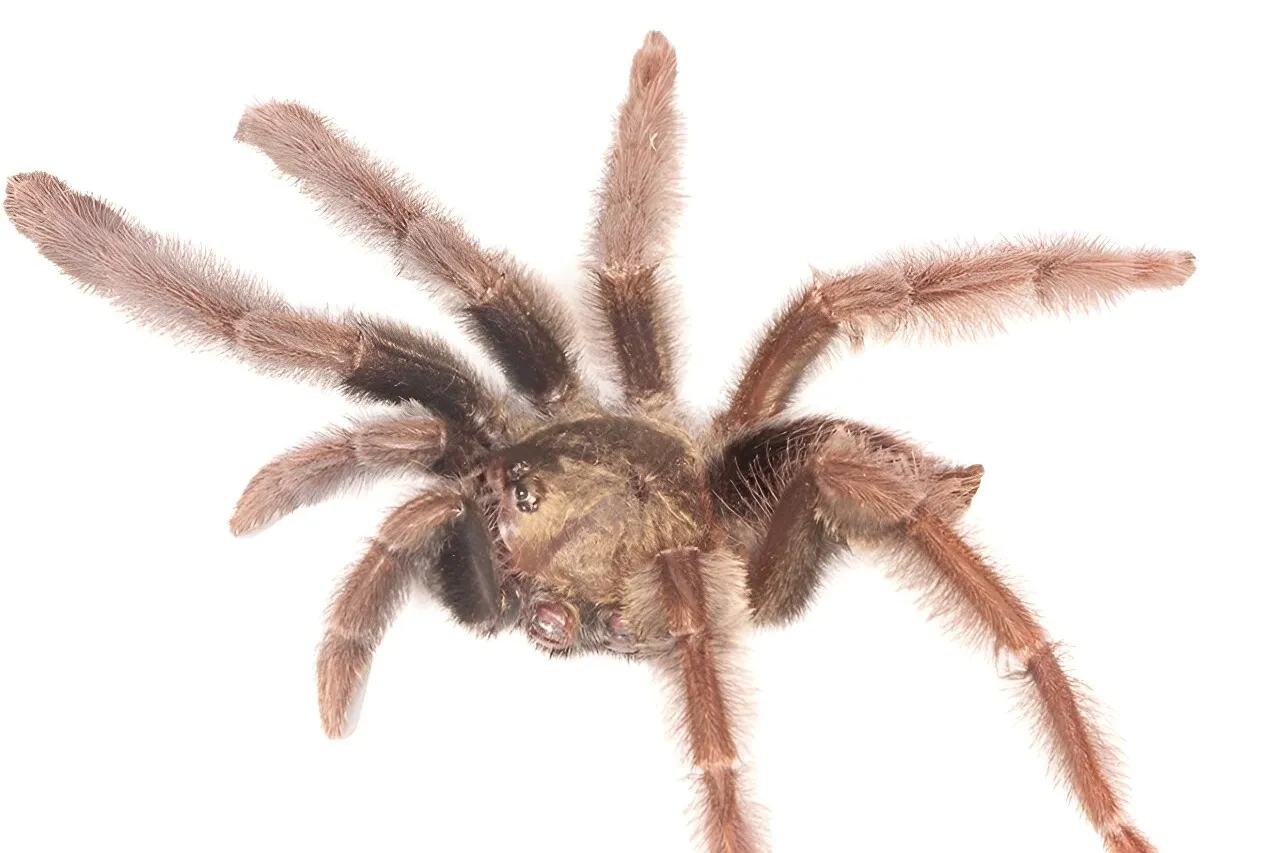
Tarantulas, belonging to the Theraphosidae family, are large, hairy spiders known for their impressive size and diverse species. These arachnids are found across the globe, thriving in various habitats, from tropical rainforests to arid deserts. They are primarily nocturnal hunters, using their fangs to inject venom and subdue their prey, which typically consists of insects, but can sometimes include small vertebrates. Their captivating appearance and fascinating behaviors have made them popular subjects of study and, in some cases, pets. Understanding the world of tarantulas requires a close look at their physical attributes, ecological roles, and the many species that have adapted to environments around the world.
Physical Characteristics
Tarantulas are easily recognizable due to their size and the covering of hair that gives them a distinctive appearance. Their bodies consist of two main parts the cephalothorax, which is the fused head and chest region, and the abdomen. They have eight legs, each equipped with claws for climbing, and two pedipalps that serve as sensory organs and aid in feeding. Their coloration varies widely depending on the species, with patterns ranging from solid browns and blacks to vibrant combinations of red, orange, yellow, and white. These spiders also have chelicerae, or fangs, which they use to inject venom into their prey. The size of tarantulas can differ greatly, with some species having a leg span of only a few inches, while others can reach over 10 inches, making them some of the largest spiders in the world.
Size and Lifespan

The size of a tarantula can vary dramatically based on the species and their overall health. While many tarantulas average a leg span of 4 to 6 inches, some species, like the Goliath Birdeater, can have a leg span exceeding 10 inches. The lifespan of a tarantula also differs greatly depending on the gender and the species. Females tend to live much longer than males, often surviving for 20-30 years, while males typically live only a few years after reaching maturity. These differences in lifespan are partly due to the physiological stresses of mating and reproduction in males, leading to shorter lifespans. The longevity of female tarantulas makes them popular pets for those seeking long-term companions.
Habitat and Distribution
Tarantulas are found on every continent except Antarctica, with a wide distribution across various habitats. They have adapted to live in tropical rainforests, grasslands, deserts, and even urban environments. Their geographical range includes North and South America, Africa, Asia, and Australia. Different species have specialized habitat preferences some prefer to burrow underground, while others live in trees or under rocks. Factors such as temperature, humidity, and prey availability play crucial roles in determining where specific tarantula species can thrive. Due to their adaptability, they have become a diverse group of arachnids that have successfully populated a variety of ecosystems.
North American Tarantulas
North America is home to numerous tarantula species, found primarily in the southwestern United States and parts of Mexico. These tarantulas inhabit diverse environments, including arid deserts, grasslands, and woodlands. They are typically ground-dwelling species, constructing burrows or using existing shelters under rocks and logs. The climate and landscape of the southwest provide ideal conditions for these arachnids. Common North American tarantulas include the Texas Brown Tarantula and the Arizona Blonde Tarantula, each adapted to the regional conditions. These spiders play an important role in their ecosystems, primarily as predators, and their presence adds to the biodiversity of the region.
Texas Brown Tarantula

The Texas Brown Tarantula (Aphonopelma hentzi) is one of the most common tarantula species found in the United States. It is native to Texas, as well as parts of Oklahoma, Kansas, Arkansas, and Louisiana. These spiders are typically brown in color and have a leg span that can reach up to 5 inches. They are ground-dwelling spiders that create burrows in the soil, often in grasslands and open woodlands. The Texas Brown Tarantula is known for its relatively docile temperament, making it a popular choice for tarantula enthusiasts. They are a vital part of the local ecosystem, helping to control insect populations and providing a food source for larger predators.
Mexican Red-Knee Tarantula
The Mexican Red-Knee Tarantula (Brachypelma hamorii) is one of the most recognizable and popular tarantula species in the pet trade. Native to the Pacific coast of Mexico, they are known for their striking appearance, with black bodies and vibrant red or orange markings on their leg joints. These tarantulas are relatively docile and slow-moving, making them great for beginner tarantula owners. They are a terrestrial species that often live in burrows or under rocks in dry scrublands. Their long lifespan and unique coloration make them a beloved pet. Due to over-collection, wild populations are under threat, but captive breeding programs are helping to conserve this beautiful species.
Other Popular Tarantula Species
Beyond North American species, many other tarantulas are popular among enthusiasts. These species offer diverse appearances, behaviors, and care requirements, adding to the variety available to hobbyists. Popular choices include the Chilean Rose Tarantula and the Goliath Birdeater, each offering a unique experience for those interested in keeping tarantulas. These species originate from different parts of the world and exhibit adaptations that suit their native environments, providing an exciting glimpse into the world of arachnids and their varied lifestyles.
Chilean Rose Tarantula

The Chilean Rose Tarantula (Grammostola rosea) is another favorite tarantula for beginners due to its docile nature and relatively easy care requirements. Native to Chile, Bolivia, and Argentina, they are known for their brown or tan coloration and calm demeanor. They are typically ground-dwelling spiders, often found in burrows in arid and semi-arid environments. Their size is moderate, with a leg span usually around 5-6 inches. Chilean Rose Tarantulas are long-lived, and their adaptability makes them suitable for a wide range of keepers. Their gentle temperament and manageable size make them a great introduction to tarantula ownership.
Goliath Birdeater
The Goliath Birdeater (Theraphosa blondi) is one of the largest tarantula species in the world. Native to the rainforests of northern South America, they have a leg span that can exceed 10 inches. These spiders are known for their impressive size and brownish coloration, as well as their aggressive behavior. They are primarily ground-dwelling spiders that live in burrows. Despite their name, they rarely eat birds, their diet mainly consisting of insects, worms, and occasionally small vertebrates. They are not recommended for beginners, due to their size and defensive behaviors, which can include urticating hairs and a painful bite. Observing these giants is a fascinating aspect of tarantula keeping, showing the diversity within the spider family.
Caring for Tarantulas
Caring for tarantulas requires attention to detail, including providing the right environment, food, and handling practices. The aim is to replicate their natural habitat as much as possible, ensuring their physical and psychological wellbeing. Providing a safe and appropriate environment is essential to prevent stress and promote healthy growth and development. By understanding their unique needs, owners can provide a fulfilling life for their tarantula pets. Proper care not only ensures the health of the tarantula but also offers the owner the opportunity to enjoy and learn from this fascinating species.
Creating the Ideal Enclosure

The enclosure for a tarantula is the place where it will spend most of its life, so setting up a proper habitat is crucial. The enclosure should be appropriately sized for the tarantula’s species and size, with enough space to move around. Ground-dwelling tarantulas will need more floor space, while arboreal species need more vertical space. The enclosure should have a substrate that mimics the tarantula’s natural habitat, such as peat moss, coconut fiber, or a mix. A hide, such as a cork bark, should be provided for the tarantula to feel safe and secure. Maintaining appropriate temperature and humidity levels is also important, often using a heat source and a hygrometer to monitor conditions. Proper ventilation prevents mold growth and keeps the environment fresh.
Feeding and Hydration
Feeding tarantulas is a straightforward process, mainly consisting of providing appropriate insects, such as crickets, mealworms, or roaches. The frequency of feeding depends on the tarantula’s age, size, and metabolism; young tarantulas may need feeding several times a week, while adults can eat once every one to two weeks. The size of the prey should be appropriate for the tarantula, generally no larger than the spider’s body. Fresh water should always be available in a shallow dish to ensure hydration, with the dish being shallow to prevent accidental drowning. It is vital to remove any uneaten food from the enclosure to prevent mold and maintain a clean environment for the tarantula.
Tarantula Behavior
Understanding tarantula behavior is crucial for responsible pet ownership. Tarantulas are generally solitary creatures, only interacting with each other for mating purposes. They exhibit diverse behaviors related to hunting, defense, and molting. Observing your tarantula’s behavior can indicate its health and wellbeing; factors such as appetite, activity levels, and posture can reveal a lot about a tarantula’s comfort and health. Knowledge of these behaviors allows keepers to provide the correct conditions and handle the animals safely and with respect. It also lets keepers recognize and respond to any signs of stress or illness promptly.
Defensive Mechanisms
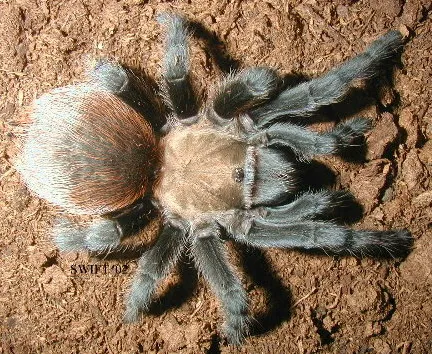
Tarantulas possess several defensive mechanisms to protect themselves from predators. They will use their fangs to bite if they feel threatened, injecting venom into their attacker. Many tarantulas also have urticating hairs on their abdomen, which they can flick toward a threat. These hairs, upon contact, cause irritation and discomfort, discouraging predators from further interaction. Some species also have other defense strategies, such as raising their front legs and exposing their fangs to display a warning posture. These defensive behaviors are innate survival techniques that enable tarantulas to survive in the wild and help them thrive in captivity when proper care is provided.
Molting Process
Molting is a critical process for tarantulas, allowing them to grow by shedding their exoskeleton. Before molting, the tarantula will typically become less active and may refuse to eat. It will then lie on its back, and the old exoskeleton will split open, allowing the spider to emerge with a new, soft body. The new exoskeleton gradually hardens over the next few days, during which the tarantula is vulnerable and should not be disturbed. Molting frequency decreases as the tarantula matures. It is important to maintain humidity levels, as this helps the molting process. The molt is an important part of the tarantula’s lifecycle.