Top 10 Tarantulas for Beginners to Admire
The world of tarantulas can be fascinating, yet intimidating for those new to the hobby. With their impressive size, unique appearance, and intriguing behaviors, these arachnids have captured the hearts of many pet enthusiasts. However, not all tarantulas are created equal, especially when considering their suitability for beginners. This guide will introduce you to ten tarantula species that are generally considered beginner-friendly, offering a rewarding experience for those just starting their tarantula-keeping journey. We’ll explore their characteristics, care requirements, and what makes them a great choice for newcomers to the world of tarantulas. Choosing the right tarantula can set the foundation for a positive and educational experience, allowing you to appreciate these amazing creatures safely and responsibly. Preparing for a tarantula can be a life long commitment.
What Makes a Tarantula Beginner-Friendly
Several factors contribute to a tarantula’s suitability for beginners. These include their temperament, handling tolerance, care requirements, and overall hardiness. Beginner-friendly tarantulas are typically docile, meaning they are less likely to bite or exhibit defensive behaviors. They also tend to be more tolerant of handling, although it’s always best to minimize handling to avoid stress for the spider. Simple care requirements, such as moderate humidity and temperature needs, and a tolerance for occasional care mistakes are also key. Finally, a degree of hardiness is beneficial, as it makes them more resilient to minor environmental fluctuations or errors in care. The following tarantulas generally fit these criteria.
Temperament and Handling

Temperament is perhaps the most critical factor. Beginners should opt for species known for their calm disposition. While some tarantulas are naturally more defensive and prone to biting or flicking urticating hairs (small, irritating hairs used as a defense mechanism), others are much more docile. Handling is generally discouraged with tarantulas, as it can be stressful for the spider and potentially lead to bites. However, beginner-friendly species are often more tolerant if handling is necessary, though it’s always wise to handle them close to the ground or a soft surface to avoid injury if they fall. Observing their behavior from the safety of their enclosure is generally recommended, providing a safe and enjoyable experience for both the keeper and the tarantula. All tarantulas can bite, and their venom can cause localized pain. The general rule is, look but do not touch.
Care Requirements
The ease of care is a significant factor in choosing a beginner-friendly tarantula. Species that thrive with relatively straightforward care routines are ideal. This includes requirements for enclosure size, substrate, humidity, temperature, and feeding. Beginner-friendly tarantulas often require less specialized setups and can tolerate a wider range of environmental conditions. For instance, some species are perfectly content in a simple enclosure with minimal furnishings, while others may need more elaborate setups. The key is to find a species that suits your lifestyle and available resources. Regular feeding of appropriately sized insects, providing fresh water, and maintaining a clean enclosure are fundamental aspects of care. The best species for beginners are often those that are somewhat forgiving of minor fluctuations in these requirements.
Top 10 Tarantulas to Admire
1. Chilean Rose Hair Tarantula

Appearance and Characteristics
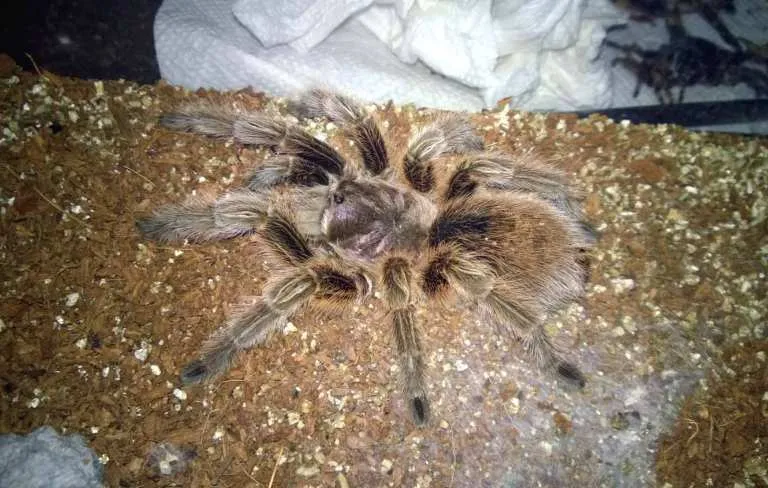
The Chilean Rose Hair (Grammostola rosea) is renowned for its docile temperament and hardiness. They are typically a rusty-brown color, with hairs that can range from pink to red, especially after molting. Their size ranges from 5 to 6 inches in leg span, making them a manageable size for beginners. They are known for their relatively slow growth rate and calm demeanor, making them a favorite among new tarantula keepers. They are also known for being hardy and can withstand minor fluctuations in environmental conditions. Their long lifespan, often exceeding 20 years for females, adds to their appeal as a rewarding pet.
Care and Habitat
Chilean Rose Hairs require a basic setup. An enclosure of 10-20 gallons is often suitable, with about 3-4 inches of substrate (e.g., coco fiber, peat moss). They appreciate a hide, such as a piece of cork bark, and a shallow water dish. Humidity should be kept moderate, and they do well at room temperature, making care relatively straightforward. Feeding involves crickets, mealworms, or other appropriately sized insects once or twice a week. The key to their care is consistency and a clean environment.
2. Mexican Red Knee Tarantula

Appearance and Characteristics
The Mexican Red Knee (Brachypelma hamorii) is another popular choice for beginners, known for its striking coloration and relatively docile nature. They are characterized by their black bodies with vibrant red-orange markings on their leg joints. Their leg span can reach up to 6 inches, providing a visually appealing pet. They are also known for their calm temperament and are less likely to bite or exhibit defensive behaviors. This species is popular because of its beauty and its manageable care requirements.
Care and Habitat
Similar to the Chilean Rose Hair, the Mexican Red Knee thrives in a basic setup. A 10-20 gallon enclosure with 3-4 inches of substrate is sufficient. They benefit from a hide and a water dish. Maintaining moderate humidity and room temperature is important. Feeding involves appropriately sized insects, offering one to two meals per week. This species is generally low-maintenance and a good option for those new to tarantula keeping. They do well in a moderately dry environment, and over-watering can cause serious health issues. Always be sure to have ventilation in the enclosure.
3. Pink Zebra Beauty Tarantula

Appearance and Characteristics
The Pink Zebra Beauty (Grammostola pulchra) is another excellent choice for beginners, celebrated for its attractive appearance and gentle nature. This tarantula features a black body with pale pink to white stripes on its legs, resembling zebra stripes. It is a slow-growing species, with a docile temperament, making it easy to care for. Their leg span can reach up to 6 inches. The calm nature of the Pink Zebra Beauty makes them a popular option. Their relatively slow growth rate means that their care requirements are consistent over time.
Care and Habitat
Pink Zebra Beauties thrive in similar conditions to the Chilean Rose Hair. They need a 10-20 gallon enclosure with 3-4 inches of substrate. They prefer a hide, such as a piece of cork bark, and a shallow water dish. Moderate humidity levels and room temperature are ideal. Feed them appropriately sized insects once or twice a week. Regular cleaning is essential to maintain a healthy environment. Because they are slow-growing, there are fewer care tasks needed to sustain them. Proper enclosure ventilation is critical.
4. Curly Hair Tarantula

Appearance and Characteristics
The Curly Hair (Tliltocatl albopilosus) is another excellent choice for beginners. They are known for their distinctive appearance, featuring a dark body with curly, reddish-brown hairs. These tarantulas are generally docile, although they can be skittish if startled. Their leg span usually reaches around 5-6 inches, making them a manageable size. They are also quite hardy and adaptable, making them forgiving for those new to tarantula care. They are known to be active and interesting to watch.
Care and Habitat
These tarantulas are very adaptable, requiring a simple setup. A 10-20 gallon enclosure with 3-4 inches of substrate is sufficient. They need a hide and a shallow water dish. Maintaining a moderate humidity level is essential. Feed appropriately sized insects once or twice a week. They thrive in a relatively dry environment, making them less sensitive to humidity fluctuations. Proper ventilation in their enclosure is essential. They often burrow and can make interesting pets because of their interesting habits.
5. Costa Rican Zebra Tarantula

Appearance and Characteristics
The Costa Rican Zebra (Aphonopelma seemanni) is another popular choice, known for its striking zebra-like patterns on its legs. This species exhibits a calmer temperament compared to some other tarantulas, making it suitable for beginners. Their leg span reaches up to 5-6 inches, and they generally display minimal aggression. They are active, adding interest for the keeper. The zebra stripes are very appealing, and this tarantula is relatively easy to care for.
Care and Habitat
The Costa Rican Zebra is relatively easy to care for. A 10-20 gallon enclosure with 3-4 inches of substrate is suitable. They appreciate a hide and a shallow water dish. Moderate humidity and room temperature are ideal. Feeding involves appropriately sized insects once or twice a week. Their care requirements are similar to the other beginner-friendly species, making them an accessible choice for new keepers. They are hardy and can adapt to minor environmental variations. It is always important to have a water dish available.
6. Green Bottle Blue Tarantula
Appearance and Characteristics
The Green Bottle Blue (Chromatopelma cyaneopubescens) is a visually stunning tarantula that can be kept by beginners. While not as docile as the others, their beauty and manageable size make them appealing. They are known for their iridescent blue legs and striking orange abdomen. They are a bit more defensive but generally manageable. Their leg span can reach up to 6 inches. They are a bit more sensitive to humidity and temperature fluctuations than other beginner species, but still manageable.
Care and Habitat
The Green Bottle Blue requires a slightly more advanced setup than some other beginner species. A 10-20 gallon enclosure with 4-5 inches of substrate is beneficial. They enjoy a hide, a water dish, and a piece of cork bark. Moderate humidity and room temperature are generally suitable, but they do benefit from good ventilation. Feeding involves appropriately sized insects once or twice a week. Proper ventilation is essential to prevent health issues. These tarantulas can become a lifelong hobby, so doing research is key to success.
7. Antilles Pinktoe Tarantula
Appearance and Characteristics
The Antilles Pinktoe (Caribena versicolor) offers a stunning appearance and is generally a good choice for beginners. They are known for their vibrant coloration, including green, blue, and pink hues. They are arboreal, which means they live in trees, so their enclosure needs to be set up differently. They are more likely to bolt out of an enclosure, so caution is needed. They are a manageable size, and their bright colors make them fascinating to observe. They are a bit more sensitive to their environment, but still manageable.
Care and Habitat
The Antilles Pinktoe requires a specialized setup due to its arboreal nature. An enclosure that is taller than it is wide is required, with ample ventilation. They need a vertical hide, branches, and foliage to climb on. They need moderate humidity and room temperature. They benefit from regular misting to maintain the appropriate humidity levels. Feed appropriately sized insects, and ensure the enclosure is kept clean. These tarantulas may be a bit more advanced, so beginners should conduct some research. They are very beautiful and active.
8. Trinidad Olive Tarantula
Appearance and Characteristics
The Trinidad Olive Tarantula (Holothele incei) is another excellent choice for beginners. This species is known for its beautiful coloration and docile temperament. They are small tarantulas, making them easier to manage. Their leg span reaches about 4 inches, with an olive-green body. They are easy to handle, and their small size makes them easy to accommodate. They are hardy and do well in many environments, so they are perfect for beginners.
Care and Habitat
The Trinidad Olive Tarantula requires a simple setup. A 5-10 gallon enclosure with 2-3 inches of substrate is sufficient. They enjoy a hide and a shallow water dish. Moderate humidity and room temperature are all they need. Feed them appropriately sized insects once or twice a week. They are also a good choice due to their easy care requirements and docile temperament. The best thing about this species is that they don’t require a lot of space.
9. Brazilian Black Tarantula
Appearance and Characteristics
The Brazilian Black Tarantula (Grammostola pulchra) is another excellent option for beginners. This species is known for its uniform black color and docile temperament. They are docile and hardy and not as prone to biting. Their leg span reaches up to 6 inches, making them a manageable size. They have a slow growth rate, so care requirements are consistent. They are perfect for beginners because of their easy care requirements.
Care and Habitat
The Brazilian Black Tarantula requires a simple setup. A 10-20 gallon enclosure with 3-4 inches of substrate is sufficient. They appreciate a hide, such as a piece of cork bark, and a shallow water dish. Humidity should be kept moderate, and they do well at room temperature, making care relatively straightforward. Feeding involves crickets, mealworms, or other appropriately sized insects once or twice a week. Regular cleaning is essential to maintain a healthy environment. They are also very docile and easy to handle.
10. Texas Tan Tarantula
Appearance and Characteristics
The Texas Tan Tarantula (Aphonopelma hentzi) is a great beginner choice. This species is known for its tan or brown coloration and relatively docile nature. They are hardy and can withstand minor fluctuations in environmental conditions. Their leg span can reach up to 5 inches. They are relatively easy to care for and are a good choice for beginners. They have a calm temperament and are less prone to biting or displaying defensive behaviors. They are very active and interesting to observe.
Care and Habitat
The Texas Tan Tarantula requires a simple setup. A 10-20 gallon enclosure with 3-4 inches of substrate is sufficient. They need a hide and a shallow water dish. Maintaining moderate humidity and room temperature is important. Feeding involves appropriately sized insects once or twice a week. They are generally low-maintenance and a good option for those new to tarantula keeping. Always be sure to have a water dish available. They are hardy and don’t require a lot of special care, making them perfect for beginners. They also live a long time.
Essential Equipment for Tarantula Keeping
Setting up a tarantula enclosure involves several essential components to ensure the spider’s well-being. The right equipment facilitates creating a safe and comfortable environment. Before acquiring a tarantula, it’s crucial to gather these items and understand their purpose.
Enclosure
The enclosure is the tarantula’s home and should be appropriately sized for the species. A good rule of thumb is that the enclosure should be at least twice the tarantula’s leg span in width and length. The height of the enclosure depends on whether the species is terrestrial or arboreal. For terrestrial species, the height does not need to be as tall, while arboreal species need height. The enclosure should be escape-proof, with a secure lid. Glass or acrylic terrariums are commonly used, as they offer good visibility. Ensure adequate ventilation to prevent the buildup of humidity and promote airflow. Remember, the enclosure size depends on the species; juveniles need smaller spaces than adults. Good ventilation helps prevent mold and other issues, as well.
Substrate
Substrate serves as the flooring of the enclosure and provides a natural environment for the tarantula. It helps maintain humidity, allows for burrowing, and provides a surface for the tarantula to walk on. Common substrates include coco fiber, peat moss, and vermiculite. The choice of substrate should be based on the species’ needs. Some species thrive in dryer substrates, while others require higher humidity levels. The substrate depth is essential, allowing the tarantula to burrow. Substrate should be changed regularly to maintain cleanliness and remove any waste products. The choice should also depend on whether the tarantula has an aversion to certain types of substrate. All substrate should be free of pesticides.
Water and Feeding
Providing fresh water and appropriate food is crucial for tarantula health. A shallow water dish should be available at all times, ensuring the tarantula has access to water. The dish should be small enough to prevent the tarantula from drowning. As for feeding, tarantulas are carnivorous and primarily feed on insects. Crickets, mealworms, and roaches are common food sources. The size of the insects should be appropriate for the tarantula’s size, generally no larger than the tarantula’s body. Feed juveniles once or twice a week and adults every one to two weeks. Remove uneaten food within 24 hours to prevent the growth of mold and bacteria. Overfeeding can lead to a bloated abdomen, and underfeeding can cause the tarantula to lose weight.
Final Thoughts on Choosing Your First Tarantula
Choosing your first tarantula is an exciting step. By considering factors like temperament, care requirements, and the visual appeal of different species, you can make an informed decision. The Chilean Rose Hair, Mexican Red Knee, Pink Zebra Beauty, Curly Hair, Costa Rican Zebra, Green Bottle Blue, Antilles Pinktoe, Trinidad Olive, Brazilian Black, and Texas Tan Tarantula all offer rewarding experiences for beginners. Remember to research the specific needs of your chosen species and prepare accordingly. With the right approach, tarantula keeping can be a fulfilling and educational hobby. Providing the right care will ensure that your tarantula lives a long and healthy life. Enjoy the journey of learning and observing these amazing creatures.