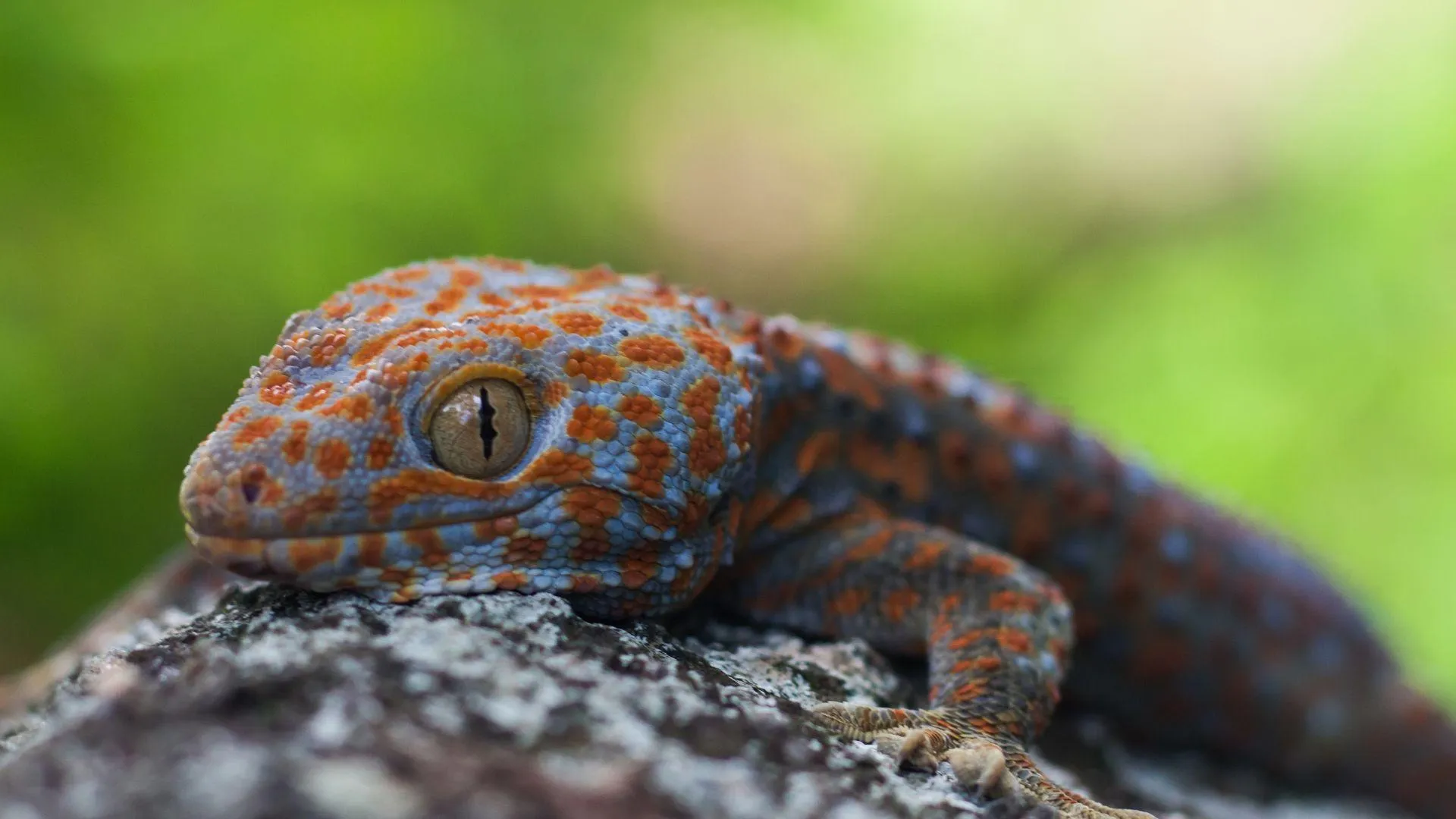
Tokay Gecko vs Tarantula Fact 1 Appearance and Features
Choosing between a Tokay gecko and a tarantula as a pet involves understanding their distinct appearances and physical attributes. These characteristics greatly influence the care and environment each creature requires. The stark contrast in their physical forms is one of the first things that strikes potential owners. This difference extends beyond mere aesthetics, impacting their behavior, habitat needs, and even how they interact with their environment. Understanding these features is critical for ensuring the well-being of either pet, highlighting the diverse needs and characteristics of these fascinating creatures and making an informed choice becomes simpler and more rewarding.
Tokay Gecko Appearance
Tokay geckos are known for their vibrant and striking appearance, often featuring a mottled pattern of blue, gray, orange, and white. Their skin has a textured feel, adding to their unique look. The Tokay gecko’s most defining feature is its large, adhesive toe pads, perfectly designed for climbing vertical surfaces. The geckos have large eyes with vertical pupils, allowing them to see well in low-light conditions. A Tokay gecko can grow up to 14 inches, with males typically being larger than females. The Tokay gecko’s powerful jaws are also very noticeable, and they use them to defend themselves and to capture prey.
Tarantula Appearance

Tarantulas, on the other hand, present a completely different visual experience. These arachnids are covered in hair and come in a variety of colors and patterns, ranging from solid blacks and browns to vibrant oranges, blues, and reds. Their most striking feature is their eight hairy legs and two fang-like chelicerae used for injecting venom. Tarantulas also have pedipalps, which look like small legs near their mouths and are used for sensing and manipulating food. The size of a tarantula can vary greatly depending on the species, with some reaching up to 12 inches in leg span. The tarantula’s body is divided into two main parts the cephalothorax (fused head and thorax) and the abdomen.
Tokay Gecko vs Tarantula Fact 2 Habitat and Natural Environment
The natural habitats of Tokay geckos and tarantulas are as diverse as their appearances. These environments dictate their behavior, needs, and the type of care required when kept as pets. Understanding where these creatures thrive in the wild is essential for replicating their natural settings in captivity, ensuring their health and well-being. This knowledge allows for informed decisions about their enclosures, temperature, humidity, and even the types of enrichment activities that will keep them happy and healthy. Each habitat provides specific resources that these animals need to survive and understanding them helps to replicate it in their enclosure.
Tokay Gecko Habitat
Tokay geckos are native to Southeast Asia, where they inhabit tropical rainforests and human dwellings. They are arboreal creatures, spending most of their time in trees, on walls, and under the eaves of buildings. Their natural environment is humid, with temperatures typically ranging from 75 to 90 degrees Fahrenheit. Tokay geckos are nocturnal, hiding during the day and becoming active at night. They are excellent climbers thanks to their adhesive toe pads, which allow them to navigate various surfaces with ease. The habitat is characterized by dense vegetation, ample hiding spots, and a constant supply of insects, their primary food source.
Tarantula Habitat

Tarantulas have a wider range of habitats, including tropical rainforests, deserts, and grasslands. Their habitats vary depending on the species, with some being terrestrial, living on the ground, and others being arboreal, living in trees. They typically burrow underground or use existing burrows for shelter, or hide under rocks, logs, or within dense vegetation. The environmental needs for tarantulas can vary greatly; humidity and temperature need to be kept within a range to thrive. The key elements of their habitat include access to a water source, appropriate substrate for burrowing or climbing, and a comfortable temperature range. These environments are essential for their health, safety, and hunting.
Tokay Gecko vs Tarantula Fact 3 Diet and Feeding Habits
The diet and feeding habits of Tokay geckos and tarantulas are another key difference, greatly influencing their care requirements. Understanding their food preferences, how they hunt, and how often they eat are important aspects of pet ownership. These factors dictate the types of food you will need to provide, the size of their enclosures, and the frequency of feeding. Careful attention to their dietary needs is critical to their health and longevity. The way they approach eating is a part of what makes them unique. Understanding the specifics of their diets leads to providing them with the best possible conditions.
Tokay Gecko Diet
Tokay geckos are primarily insectivores, meaning their diet consists mainly of insects. In the wild, they feed on a variety of insects, including crickets, cockroaches, moths, and beetles. They are opportunistic hunters, using their powerful jaws to grab prey. As pets, they require a diet that mimics their natural food sources. This includes a variety of live insects dusted with vitamin and calcium supplements. It is important to ensure a balanced diet to prevent nutritional deficiencies. They typically hunt at night. Feeding frequency for adults is typically 2-3 times a week, with younger geckos needing more frequent meals.
Tarantula Diet

Tarantulas are also primarily carnivores, but they differ from geckos in their feeding habits. They feed on insects, but they also consume small vertebrates such as small lizards, mice, and birds. The diet in captivity usually consists of live insects, like crickets, mealworms, and cockroaches. The size of the prey should match the size of the tarantula. It is very important to have a water source available. Tarantulas do not require food as often as geckos, typically eating once or twice a week, but this depends on their size and age. Tarantulas use their fangs to inject venom into their prey to immobilize it and begin the digestion process.
Tokay Gecko vs Tarantula Fact 4 Behavior and Temperament
The behavior and temperament of Tokay geckos and tarantulas are crucial factors when deciding which pet is best for you. Both animals have unique personalities and behaviors that influence how they interact with their environment and their owners. Recognizing and understanding these traits is essential for providing proper care and creating a safe and engaging environment for both the pet and the keeper. Each animal has a distinct approach to interactions, influencing the type of experience you can expect as a pet owner. Learning their behavioral patterns is key to a successful and rewarding pet ownership experience.
Tokay Gecko Behavior
Tokay geckos are known for their assertive and territorial nature. They are typically solitary creatures, preferring to live alone. Their behavior can be quite vocal, with males especially emitting a loud ’tokay’ call to attract mates or defend their territory. They are primarily nocturnal and hide during the day. They are not known to be cuddly pets. They are defensive if they feel threatened. This makes them suitable for experienced reptile keepers. They may bite if they feel threatened. Despite their boldness, they are fascinating to observe, especially when hunting for food or climbing around their enclosures.
Tarantula Behavior

Tarantulas, in contrast, are generally more reclusive and less interactive. They are also solitary creatures, but their behavior tends to be less aggressive. They spend most of their time in their burrows or hiding spots. Tarantulas can be quite docile, but their temperament can vary depending on the species. Some species are more prone to defensive behavior. They may flick hairs as a defense mechanism if they feel threatened. Tarantulas are typically handled less than Tokay geckos. Tarantulas are fascinating to observe in their enclosures, especially during feeding. They are often preferred by owners who appreciate the beauty of these arachnids without the need for frequent interaction.
Tokay Gecko vs Tarantula Fact 5 Lifespan and Care Requirements
The lifespan and care requirements for Tokay geckos and tarantulas are critical considerations. These two aspects determine the long-term commitment required to keep them healthy. Understanding these factors allows you to plan for the future. It is very important to give the animal the right setting to live a healthy life. Each animal requires a specific setup and maintenance routine to meet its needs. Their longevity and quality of life heavily depend on the attention, resources, and consistent care they receive from their owners. Knowing the details allows you to offer the best possible environment for these unique pets.
Tokay Gecko Care
Tokay geckos require a tall, well-ventilated enclosure, as they are arboreal creatures. The enclosure should include branches, plants, and hiding places. Humidity levels are crucial for their health. A humidity level between 70% and 80% needs to be maintained by misting. They require a basking spot with temperatures around 90°F (32°C). They require UVB lighting. They can live for 10 to 20 years. Proper care involves daily misting, cleaning the enclosure, and providing a varied diet of live insects supplemented with vitamins and calcium. Handling should be minimal. Regular veterinary check-ups can ensure they are in good health.
Tarantula Care

Tarantulas require an enclosure with appropriate substrate and a hide. The enclosure needs proper ventilation, and the humidity should be maintained according to the species’ needs. They typically need a shallow water dish and the temperature should be maintained between 70-80°F. The enclosure should not be cleaned too often, and any uneaten food should be removed to prevent mold. They can live from 10 to 25 years. The main care involves feeding, providing water, and maintaining appropriate temperature and humidity levels. Handling should be kept to a minimum, as it can stress the tarantula. Regular observation and minimal handling can ensure the well-being of your tarantula.