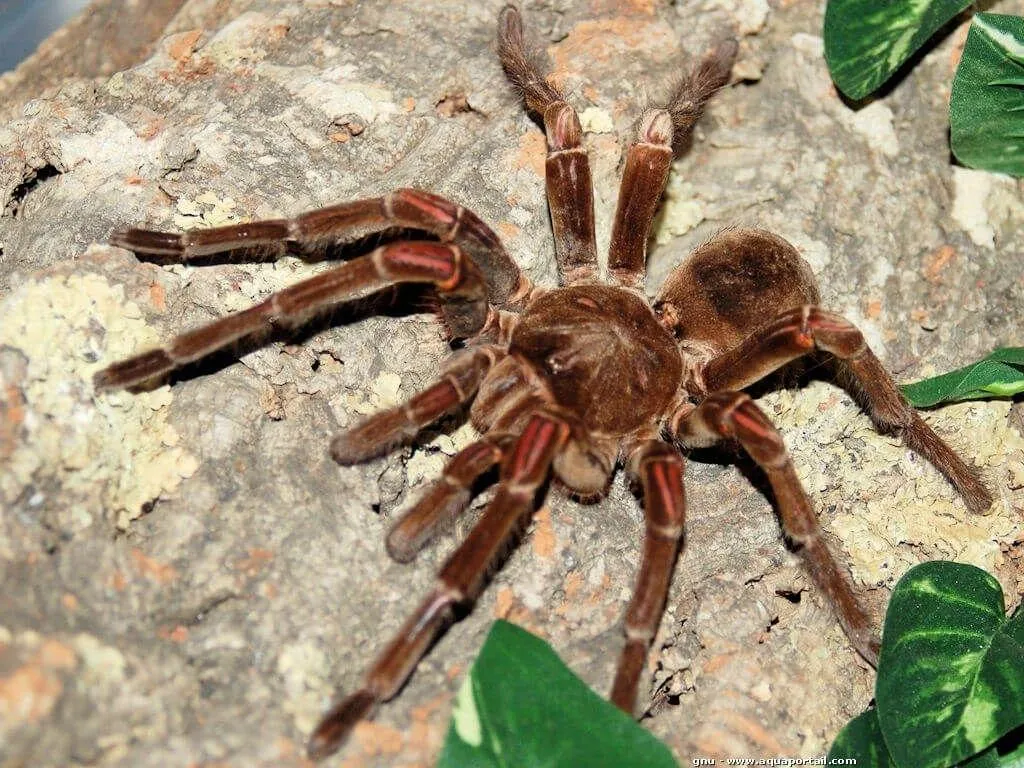
Theraphosa Blondi Tarantula Facts Top 5
The Theraphosa blondi, commonly known as the Goliath birdeater, is one of the most fascinating and imposing creatures in the arachnid world. Its sheer size and unique characteristics have captivated the interest of both scientists and enthusiasts alike. This article will delve into five intriguing facts about this remarkable tarantula, exploring its physical attributes, habitat, diet, defense mechanisms, and behavior. Prepare to be amazed by the world of the Goliath birdeater, a true giant among spiders. These incredible creatures are a testament to the diversity and wonder of the natural world, offering a glimpse into the extraordinary adaptations that allow species to thrive in their environments.
Size and Appearance
The Theraphosa blondi is, without question, the largest spider in the world by mass. Its impressive size is one of the most striking features, making it a sight to behold. Beyond its size, the Goliath birdeater also boasts a distinct appearance that helps it stand out in the world of arachnids. Understanding these physical attributes gives a deeper appreciation for this unique species. This giant tarantula is a true marvel of nature, showcasing how evolution has shaped an impressive predator. The sheer scale of this spider is a testament to the diverse forms that life can take.
Maximum Size and Leg Span

The Goliath birdeater can reach a leg span of up to 12 inches (30 cm) and weigh over 6 ounces (170 g). This makes it substantially larger than most other spider species. The sheer size is not just a matter of length; its body mass also contributes to the overall impression of immense size. The Goliath birdeater’s impressive leg span allows it to navigate its environment efficiently and capture prey. The sheer size of these tarantulas is a testament to the diversity of life on Earth. Their ability to grow to such proportions highlights the unique adaptations that allow them to thrive in their environment. The size and stature of the Theraphosa blondi are a clear indication of their apex predator status in their natural habitats.
Coloration and Physical Features
The Goliath birdeater typically exhibits a brown coloration, ranging from light to dark shades, which serves as excellent camouflage in its natural habitat. They have robust bodies covered in urticating hairs, which they can flick off as a defense mechanism. These hairs are a significant part of the tarantula’s defense strategy, causing irritation upon contact with potential threats. Their large fangs, or chelicerae, are also a defining feature, used to inject venom into their prey. The physical characteristics of the Theraphosa blondi are not just for show; they are crucial for its survival, aiding in both predation and protection. The coloration and physical features are perfectly adapted to their environment, making them formidable predators and well-suited to their ecological niche.
Habitat and Distribution
Understanding the natural habitat and distribution of the Theraphosa blondi is vital for appreciating this species’ ecological role. These factors also inform conservation efforts and provide insights into its behavior and survival strategies. This tarantula’s natural environment provides the resources and conditions necessary for its survival and plays a critical role in its interactions with other species. The Goliath birdeater’s geographic range is limited to specific regions, further emphasizing the need to protect its habitat. The specific environments they inhabit dictate many aspects of their lives, including their diet, behavior, and defense mechanisms.
Native Regions

The Theraphosa blondi is native to the rainforests of northern South America. Specifically, they are found in countries such as Brazil, Venezuela, Guyana, Suriname, and French Guiana. This region provides the warm, humid conditions that these tarantulas require to thrive. The distribution is influenced by the availability of suitable habitats, as well as the presence of prey and the absence of significant predators. The native range of the Goliath birdeater highlights the specific ecological niches that species adapt to occupy. The biodiversity of these regions is crucial for the survival of many unique species, including the Theraphosa blondi.
Preferred Habitats
These tarantulas typically inhabit burrows in the ground, often near swamps or marshy areas. They favor areas with high humidity and dense vegetation, which provide both shelter and a steady supply of prey. The specific microclimates within these habitats are crucial for the tarantula’s survival. They prefer environments that allow them to effectively ambush prey and avoid predators. The preferred habitats are a key factor in the Goliath birdeater’s success, showcasing how their lifestyle is intricately linked to their environment. Their habitat choice reflects their need for security, humidity, and an abundance of resources, allowing them to thrive in a specific ecological niche.
Diet and Feeding Habits
The diet and feeding habits of the Theraphosa blondi reveal much about its predatory nature and survival strategies. This tarantula is an opportunistic predator with a diverse diet, showcasing its adaptability and its role within the ecosystem. Their feeding behaviors demonstrate the intricate balance that exists within their habitat, highlighting the importance of predator-prey relationships. The Goliath birdeater’s ability to thrive in various environments depends on its effective hunting strategies and its willingness to consume different food sources. The following will explore the details of their diet and feeding practices.
What Theraphosa Blondi Eats

Despite its common name, the Goliath birdeater rarely consumes birds. Their diet primarily consists of insects, earthworms, and other invertebrates. However, they are also known to feed on small vertebrates, such as lizards, frogs, and occasionally, small snakes. The diet varies depending on prey availability. The Goliath birdeater’s predatory behavior showcases their adaptability and role as an apex predator within their habitat. The Goliath birdeater’s consumption habits are a testament to their adaptability and their ability to exploit various food sources within their ecosystem, maintaining its crucial role as a predator.
Feeding Frequency and Techniques
Theraphosa blondi typically feeds a few times a week when young, and less frequently as adults. They are ambush predators, waiting in their burrows for prey to come within striking distance. They use their large fangs to inject venom, which immobilizes the prey. Once the prey is subdued, the tarantula uses enzymes to digest the insides of the prey, consuming the liquefied nutrients. Their hunting techniques are a marvel of adaptation, demonstrating how they have evolved to excel as predators. The feeding habits of the Theraphosa blondi emphasize their reliance on stealth, patience, and a potent venom to secure their meals, highlighting their efficient survival tactics.
Venom and Defense Mechanisms
The Theraphosa blondi’s venom and defense mechanisms are crucial for survival, allowing it to protect itself from threats and subdue prey. These methods of defense are a testament to the tarantula’s evolutionary adaptations, enabling it to thrive in a challenging environment. These defense strategies make the Goliath birdeater a formidable creature, ensuring its place at the top of the food chain. The following explores its defensive capabilities.
Potency of Venom

While the Goliath birdeater’s venom is not lethal to humans, it is potent enough to cause significant pain and discomfort. The effects of a bite include localized pain, muscle cramps, and nausea. The venom is primarily used to immobilize prey rather than as a defense against larger animals. Understanding the effects of the venom is important for anyone who comes into contact with this spider. Although not life-threatening, it is a painful experience. This underscores the importance of caution and respect when interacting with this species, ensuring safety and awareness of its defensive capabilities.
Other Defense Strategies
In addition to venom, the Theraphosa blondi employs other defense mechanisms. They possess urticating hairs on their abdomen, which they can flick towards a perceived threat. These hairs cause intense irritation upon contact with skin or mucous membranes. They also have a defensive posture, rearing up with their fangs exposed, and they can also produce a hissing sound. The defensive strategies are a crucial part of their survival strategy, ensuring that they can defend themselves against potential predators, and are a testament to the diverse adaptations that allow species to thrive in their environments.
Lifespan and Behavior
Understanding the lifespan and behaviors of the Theraphosa blondi is vital to appreciating this species’ life cycle and its interactions with its environment. This sheds light on its role in the ecosystem and provides insights into its survival strategies. Their lifespan and behaviors provide a deeper look into the dynamics of their lives. The Goliath birdeater’s longevity, coupled with its behavioral traits, contributes to its success in the wild. The following explores the specifics of this.
Average Lifespan

Female Theraphosa blondi can live for up to 25 years in the wild, while males have a shorter lifespan, typically around 3 to 6 years. This difference in lifespan is common in many tarantula species. The long lifespan of females allows them to reproduce multiple times, ensuring the continuation of the species. The variance in lifespan highlights the complexities of their life cycle and the impact of their environment on their survival. The life cycle is a crucial element in their overall adaptation. The difference also helps understanding the sex’s role in the survival and reproduction.
Common Behaviors and Temperament
They are generally nocturnal, spending most of the day in their burrows and emerging at night to hunt. They are not considered aggressive spiders, but they will defend themselves if threatened. They exhibit behaviors related to burrow construction, prey capture, and mating. The Goliath birdeater’s behaviors reflect their adaptation to their habitat and their role within the ecosystem. Their temperament and behavioral patterns showcase the adaptations they employ for survival. Their behaviors are an important factor for understanding how they interact with their environment.
In conclusion, the Theraphosa blondi, or Goliath birdeater, is an extraordinary species. Its size, habitat, diet, and defense mechanisms make it a fascinating subject of study. By exploring these five facts, we gain a deeper appreciation for this remarkable creature and the intricate balance of nature. These tarantulas are a testament to the diversity and wonder of the natural world, demonstrating the unique adaptations that allow species to thrive in their environments. The Goliath birdeater is a living marvel that continues to intrigue and captivate.