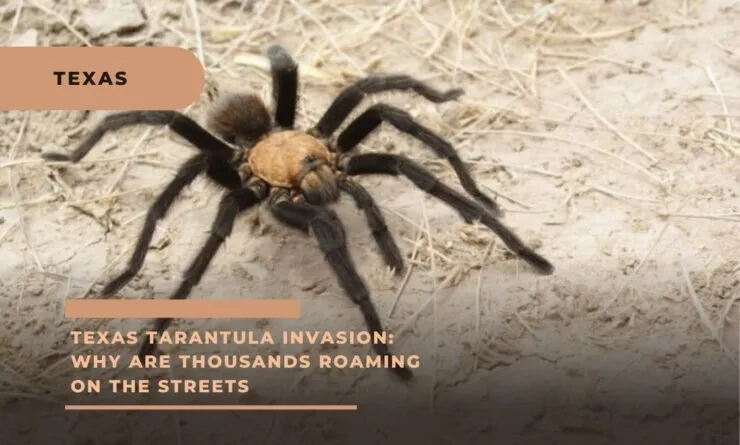
What is Tarantula Season in Texas
Tarantula season in Texas is a fascinating period when these often-feared arachnids become more visible and active. It’s the time of year when male tarantulas, in particular, embark on a journey, driven by an innate biological urge. This season is not just a spectacle of nature but also a crucial time for the tarantula population’s survival, as it is primarily focused on the continuation of their species through reproduction. Understanding the nuances of this season offers a unique glimpse into the life cycle and behaviors of these intriguing creatures, helping us appreciate their role within the Texas ecosystem. It also underscores the importance of respecting and coexisting with wildlife in their natural habitats, especially during critical periods like the mating season.
Peak Season for Tarantulas in Texas
The peak season for tarantulas in Texas typically occurs during the late summer and early fall months, often spanning from August to October. This timeframe aligns with the breeding season of these spiders, which is when adult males leave their burrows in search of mates. The timing can vary slightly depending on the specific microclimate and weather patterns of different regions within Texas. During these months, the warmer temperatures and increased humidity create optimal conditions for tarantulas to thrive and reproduce. This seasonal activity makes it the best time to observe these creatures, although it also requires a degree of caution and respect for their natural behaviors and needs.
Factors Influencing Tarantula Activity

Several environmental factors influence the activity of tarantulas during their mating season in Texas. Temperature plays a crucial role, with warmer conditions generally stimulating activity. Humidity levels also affect their behavior, as tarantulas prefer environments that aren’t excessively dry. The timing of rainfall can also impact tarantula movements; moderate rainfall often triggers them to emerge from their burrows. Furthermore, the availability of prey and the presence of suitable habitats, such as open areas and specific soil types, contribute to their overall well-being. Understanding these environmental influences helps in predicting when and where tarantulas are most likely to be observed, and also highlights the need for preserving their habitats to ensure their survival.
Tarantula Behavior During Mating Season
During the mating season, tarantulas exhibit a range of behaviors that are central to their reproductive success. Male tarantulas, in particular, become highly active, setting out in search of females. This often involves long-distance travel, making them more visible. When a male locates a female’s burrow, he initiates a complex courtship ritual, which involves tapping and vibrating signals to the female. If the female accepts his advances, the pair will mate, with the male typically needing to ensure his safety to avoid being eaten by the female. After mating, the male’s lifespan is often shortened, while the female focuses on laying eggs and protecting her offspring. The mating behavior ensures the continuation of their species.
Fact 1 Migration Patterns
Male tarantulas undertake significant migrations during the mating season, often traveling considerable distances to find a mate. These migration patterns are primarily driven by the need to reproduce and ensure the survival of their species. These journeys can vary depending on the species, terrain, and local environmental conditions. Understanding these migration patterns helps in predicting their movements and also emphasizes the importance of preserving connected habitats, so the tarantulas can travel freely and safely.
Fact 2 Mating Rituals

Tarantulas have intricate mating rituals that help ensure successful reproduction. The males initiate these rituals by approaching the female’s burrow and sending signals via tapping or vibrations. The female’s acceptance of the male’s advances determines the outcome of the mating attempt. If the female is receptive, the male will approach and mate. It is not without risk, since the male must ensure he can escape, as females are significantly larger and are often very hungry after their burrowing and waiting for their opportunity to mate, as well. These elaborate rituals are a fascinating aspect of their mating behavior.
Fact 3 Habitat Preference
Tarantulas exhibit specific habitat preferences, often favoring environments that offer both shelter and an ample supply of prey. They typically live in burrows, which they either dig themselves or take over from other creatures. Soil type, vegetation cover, and the availability of insects and other small animals influence where tarantulas choose to live. During the mating season, their habitat preferences play a significant role in determining the location and success of their reproductive activities. It is therefore important to protect those habitats to ensure they survive.
Fact 4 Climate Influence
Climate conditions have a significant impact on tarantula behavior and activity. Warm temperatures and moderate humidity levels are generally conducive to their breeding season. Rainfall can also trigger tarantulas to emerge from their burrows, leading to increased activity. Extreme weather events, such as droughts or floods, can disrupt their behavior and potentially impact their populations. These climate influences therefore create a need to study these creatures and understand their interactions with the environment.
Fact 5 Avoidance Tactics

Tarantulas possess various avoidance tactics to protect themselves from predators and environmental threats. When threatened, they can flick urticating hairs from their abdomen, which irritate the skin and eyes of potential attackers. They also have strong venom that they can deploy if they feel they need to. Understanding their avoidance behaviors can help humans coexist more safely with these creatures. Education is important, so people know not to try and harass these creatures, but leave them be.
Safety Precautions During Tarantula Season
During tarantula season, it is important to take certain safety precautions to ensure safe interactions with these creatures. When outdoors, especially in areas known to be tarantula habitats, wear closed-toe shoes and avoid walking barefoot. Be mindful of where you place your hands and feet, as tarantulas may be hiding in burrows or under objects. If you encounter a tarantula, it is best to observe from a distance and avoid any attempts to handle or provoke the spider. Educate children about tarantulas and the importance of respecting wildlife, and advise pets to steer clear of them, as well. These precautions create a safe environment for both humans and tarantulas.
What to Do If You Encounter a Tarantula
If you encounter a tarantula, the best course of action is to remain calm and observe from a safe distance. Avoid any sudden movements or attempts to handle or capture the spider, as this could provoke it. Allow the tarantula to move on its own, giving it space and avoiding blocking its path. If the tarantula is in a location where it poses a potential threat to humans or pets, consider contacting local wildlife authorities or a pest control professional for assistance. Understanding the best practices when interacting with tarantulas ensures safety and promotes respect for these creatures.
How to Protect Your Pets

Pets, particularly dogs and cats, may be curious about tarantulas and could potentially come into contact with them. To protect pets during tarantula season, keep them on a leash when walking in areas known to be tarantula habitats. Supervise them closely, and prevent them from sniffing or playing with tarantulas. If you suspect your pet has been bitten or has come into contact with a tarantula, monitor them for any signs of discomfort or reaction. If symptoms such as excessive drooling, swelling, or difficulty breathing occur, seek veterinary attention immediately. Taking these precautions helps ensure the safety and well-being of your pets during the peak tarantula season.
Understanding Tarantula Bites and Venom
Tarantula bites are not typically life-threatening to humans, but they can be painful and cause localized symptoms. The venom of most tarantula species is relatively mild, comparable to a bee sting. However, individuals with allergies may experience more severe reactions. Symptoms of a tarantula bite may include pain, redness, swelling, and itching at the bite site. In rare cases, more serious symptoms such as muscle cramps, nausea, or difficulty breathing may occur. If you are bitten by a tarantula, wash the area thoroughly with soap and water, and apply a cold compress to reduce swelling. Seek medical attention if symptoms worsen or if you experience a severe reaction.
Where to Observe Tarantulas Safely
For those interested in observing tarantulas, there are safe and responsible ways to do so. Visit natural areas, state parks, or wildlife refuges where tarantulas are known to live. Stick to established trails and pathways to avoid disturbing their habitats. Bring binoculars to observe tarantulas from a safe distance, without getting too close. Participate in guided nature walks or educational programs led by experienced naturalists, who can provide valuable insights into tarantula behavior and ecology. Remember always to respect wildlife and leave the natural environment undisturbed, so future generations can enjoy these amazing creatures.
In conclusion, understanding tarantula season in Texas is a fascinating exploration of nature’s cycles and the behaviors of these unique arachnids. By knowing when and where to expect tarantulas, and by following safety guidelines, we can appreciate these creatures and help to protect them. Respect for their habitat and behaviors is key to enjoying this special time of year safely and responsibly.