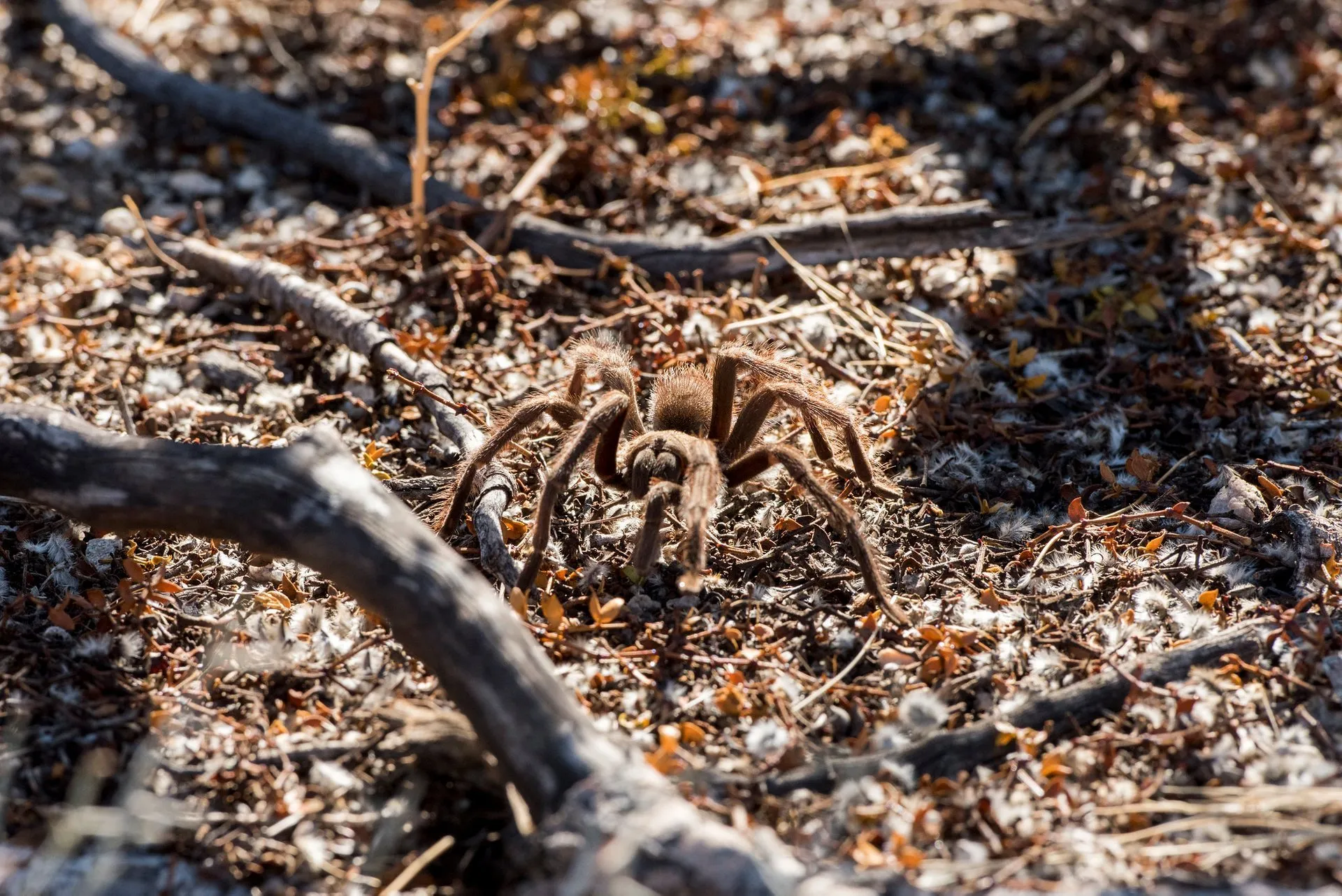
What is the Texas Tarantula Migration
The Texas tarantula migration is a remarkable natural phenomenon that occurs annually, typically in the late summer and early fall. During this period, thousands of tarantulas, primarily the Texas Tan Tarantula (Aphonopelma anax), embark on a journey to find mates. This migration is a spectacle, drawing nature enthusiasts and photographers eager to witness and document this fascinating behavior. The tarantulas, often seen crossing roads and trails, make for an unforgettable sight. Understanding this migration requires insights into their life cycle and the environmental triggers that initiate this mass movement.
Understanding the Tarantula Life Cycle
To fully appreciate the migration, it’s crucial to understand the tarantula’s life cycle. Tarantulas, like other spiders, go through several stages of growth, molting their exoskeletons as they develop. The migration is primarily driven by the reproductive needs of the species. Adult males, in particular, are the most visible participants in the migration, actively seeking out females. The females, on the other hand, tend to stay closer to their burrows, awaiting the arrival of potential mates. The entire process is a testament to the resilience and adaptability of these creatures, perfectly timed by environmental cues.
Mating Rituals and Migration Triggers

The tarantula migration is intimately linked to the mating season. Male tarantulas, having reached maturity, leave their burrows in search of females. The triggers for this migration are complex, involving a combination of environmental factors such as temperature, humidity, and the availability of food. Typically, the first significant rainfall after a dry summer can initiate the migration. During mating, males use a variety of courtship displays, including leg-waving and drumming, to attract females. After mating, the males often face a perilous end, sometimes becoming prey for the females. This complex interplay of behavior and environment makes the migration a unique event to observe and study.
Why Do Tarantulas Migrate
The primary reason for the tarantula migration is reproduction. The males migrate to find females, while the females are often stationary, waiting for males to approach their burrows. This migration allows for the mixing of the gene pool, ensuring the continuation of the species. The search for mates is a crucial part of their life cycle, ensuring that they can successfully reproduce and perpetuate their lineage. The act of migration is a natural, instinctual behavior driven by the fundamental need to survive and pass on their genetic material, a compelling sight for anyone lucky enough to witness it.
Best Locations to Witness the Migration
Several locations across Texas offer prime opportunities to witness the tarantula migration. These areas typically feature suitable habitats for the tarantulas and are accessible to the public. Planning your visit around the peak migration season is crucial. Always check local conditions and any advisories before heading out. Observing the migration responsibly means ensuring minimal disturbance to the tarantulas and their habitat. The experience can be unforgettable, offering a unique look into the lives of these fascinating creatures.
Popular Viewing Spots Across Texas

Some of the most popular viewing spots include state parks, nature preserves, and areas with open grasslands and woodlands. Big Bend National Park, for instance, is known for its diverse wildlife and is a good location during the migration season. Other spots include areas in central Texas and the Hill Country, where tarantulas are commonly found. Researching local parks and preserves can provide valuable insights into the best locations and times for viewing. Remember to respect the environment and follow all park regulations to preserve the natural beauty of these areas.
Tips for Finding Tarantulas
Finding tarantulas during the migration requires patience and observation. The best time to spot them is often during the late afternoon and early evening, when they are most active. Look for them crossing roads, trails, and open areas. Slow driving and careful walking are essential. Using a flashlight at night can help spot them, but be mindful not to shine it directly into their eyes. Observing their behavior from a distance is crucial, and respect their space to avoid disturbing their natural activities. It is also essential to be aware of your surroundings and other wildlife in the area.
The Ideal Time to See the Migration
The peak of the tarantula migration in Texas usually occurs in the late summer and early fall, specifically from late August to October. However, this timing can vary depending on the weather conditions of the year. Monitoring weather patterns, especially rainfall and temperature, can help predict the start and end of the migration. Planning your trip around these peak periods significantly increases your chances of witnessing this natural phenomenon. Checking local resources and reports from previous years can also give insights into the best times to visit specific areas.
Seasonal Timing of the Tarantula Migration

The timing of the migration is closely tied to seasonal changes. As summer transitions into fall, the environmental conditions become ideal for tarantula activity. The shift in temperature and humidity often acts as a trigger, prompting the tarantulas to begin their migration. Knowing the seasonal trends helps in planning the best time to see this event. The precise dates may vary each year, but understanding the general timeframe can help you coordinate your viewing trip effectively.
Factors Influencing Migration Timing
Several factors influence the exact timing of the tarantula migration. Rainfall is a key trigger, as it softens the ground and encourages the tarantulas to emerge from their burrows. Temperature also plays a crucial role, with warmer temperatures encouraging activity. Other factors, such as food availability and the overall health of the tarantula population, can also influence the migration timing. Staying informed about weather conditions and local environmental factors helps you anticipate and witness this extraordinary event.
Photographing the Texas Tarantula Migration
Photographing the Texas tarantula migration offers a unique opportunity to capture stunning images of these amazing creatures. However, it requires the right equipment, techniques, and respect for the animals and their environment. From choosing the right lens to knowing the optimal camera settings, photographing the tarantulas can be a rewarding experience. The goal is to document their behavior while ensuring their safety and well-being. The resulting images can create awareness and appreciation for these often-misunderstood creatures.
Essential Photography Equipment

To capture the tarantula migration effectively, you’ll need some essential photography equipment. A macro lens is highly recommended for close-up shots, allowing you to capture the intricate details of the tarantulas. A wide-angle lens can be useful for photographing the tarantulas in their environment. A tripod is essential for stability, especially in low-light conditions. Additional equipment such as a camera bag to carry your gear and a flashlight to help you see can be also very helpful. Finally, a good camera body with a high-quality sensor is essential.
Techniques for Capturing Stunning Photos
Capturing stunning photos of the tarantula migration involves several key techniques. Focus on using a shallow depth of field to isolate the tarantula and blur the background. Experiment with different angles and perspectives to create more interesting images. Consider using natural light to your advantage. Be patient and observant, waiting for the right moment to capture the tarantulas in action. Furthermore, practice your skills and try different settings on your camera to find the one that works best in the circumstances you are experiencing. Pay attention to composition, framing your shots in a way that tells a story and engages the viewer.
Ensuring Tarantula Safety During Photography
When photographing tarantulas, prioritize their safety and well-being. Maintain a respectful distance and avoid disturbing their natural behavior. Never attempt to touch or handle the tarantulas, as this can cause stress and potential injury. Avoid using flash photography directly on the tarantulas, as the bright light can disrupt their vision. Minimize your time in the area to reduce your impact on the environment. Always be mindful of your surroundings and avoid stepping on any burrows or disturbing the habitat. Ensure that you are aware of the surrounding environment and other wildlife.
Ethical Considerations for Observation

Ethical observation is essential when witnessing the Texas tarantula migration. This involves respecting the environment, minimizing disturbance to the tarantulas, and educating others about responsible wildlife viewing. Proper etiquette ensures the preservation of their habitats and the continuation of this natural phenomenon. Ethical observation creates a harmonious balance between human interests and the well-being of the tarantulas. This approach helps to conserve the natural balance of the ecosystem.
Respecting Tarantula Habitats
Respecting tarantula habitats is crucial for their survival. Avoid disturbing their burrows or altering the environment. Stay on designated trails and avoid stepping on areas where tarantulas might be present. Dispose of any trash properly and leave the environment as you found it. By showing respect for their habitat, we help ensure that the tarantulas can thrive in their natural environment. Protecting their habitat is vital for the health and survival of the tarantula population.
Avoiding Disturbances During Viewing
To avoid disturbing the tarantulas during viewing, maintain a respectful distance and avoid making loud noises or sudden movements. Refrain from using flash photography, which can startle them. Avoid attempting to touch or handle the tarantulas. Observe their behavior from a distance and let them continue their natural activities. By being mindful of our actions, we can minimize any disruptions to the migration and help preserve the experience for future observers.
Additional Resources and Information

There are several resources available for those who wish to learn more about the Texas tarantula migration. Websites, books, and local experts can provide valuable information. Further research enhances the viewing experience and fosters a deeper appreciation for these fascinating creatures. Consulting these resources can provide detailed insights into tarantula behavior, habitats, and conservation efforts. They can also offer practical tips for planning your visit and ensuring a safe and enriching experience.
Where to Find More Information
Information can be found at various sources. Visit websites of state parks and nature preserves. Consult nature books and scientific articles about tarantulas. Connect with local nature groups and expert guides. These resources offer a wealth of knowledge about the tarantula migration. They provide the necessary information for a successful and educational experience. Engaging with these resources is key for a comprehensive understanding of the topic.
Further Reading and Research
For more in-depth knowledge, consider further reading and research. Explore scientific publications on arachnids, focusing on tarantula behavior and ecology. Visit libraries and online databases to access relevant literature. Stay updated on the latest research findings and conservation efforts related to tarantulas. Engaging in further reading and research will enhance your understanding and appreciation of the Texas tarantula migration. It will help you gain a more comprehensive understanding of these creatures and the environmental factors that influence their migration.