Choosing the Right Terrarium
Selecting the appropriate terrarium is the foundational step in setting up a healthy and comfortable environment for your tarantula. The size, material, and design of the enclosure will significantly impact your pet’s well-being and your ability to maintain the proper conditions. Consider the adult size of your tarantula species when choosing a terrarium. As a general rule, the enclosure should be at least twice as wide as the tarantula’s leg span and at least one and a half times the leg span in height. This provides ample space for movement, burrowing, and climbing, depending on the species. Glass or acrylic terrariums are the most common choices, each with its own advantages. Glass terrariums are durable and offer excellent visibility, while acrylic terrariums are lighter and less prone to shattering. Both materials should have secure lids to prevent escapes, and appropriate ventilation to ensure proper airflow and prevent mold growth.
Terrarium Size and Ventilation
The size of the terrarium directly impacts the tarantula’s ability to thrive. Too small, and the tarantula may feel stressed and unable to exhibit natural behaviors. Too large, and it can be difficult to maintain the necessary temperature and humidity gradients. Ventilation is another critical aspect of the terrarium setup. Proper airflow prevents the buildup of stale air and excessive humidity, which can lead to mold and bacterial growth, detrimental to your tarantula’s health. Ensure the terrarium has ventilation holes or a mesh top that allows for adequate airflow. The number and placement of these ventilation points are crucial; they should be sufficient to provide fresh air without causing excessive drafts or drying out the enclosure too quickly. The design of the ventilation system should also consider the tarantula’s burrowing or climbing habits, as some species may require different ventilation approaches to maintain optimal environmental conditions.
Substrate Selection for Tarantulas

The substrate, or bedding material, in your tarantula’s terrarium serves several crucial purposes, including providing a surface for the tarantula to walk on, burrow in, and assisting in maintaining humidity levels. The right substrate will mimic the tarantula’s natural habitat, promoting its well-being and comfort. It’s essential to select a substrate that is safe, non-toxic, and appropriate for the specific needs of your tarantula species. Consider the tarantula’s natural environment when choosing a substrate; terrestrial species typically thrive on substrates that allow for burrowing, while arboreal species might prefer substrates that facilitate climbing and provide a stable grip. The depth of the substrate should be adequate to allow the tarantula to burrow if it’s a terrestrial species, typically at least 4-6 inches. The substrate should be replaced regularly to maintain a clean and healthy environment.
Ideal Substrate Options
Several substrate options are popular among tarantula keepers, each with its own benefits. Coconut fiber (coco coir) is a widely recommended choice due to its excellent moisture retention, natural properties, and ability to resist mold. It’s a versatile substrate suitable for many tarantula species and readily available in pet stores. Sphagnum moss is another excellent option, especially for species requiring higher humidity levels. It helps retain moisture and can be used to create humid microclimates within the terrarium. A mix of substrates can also be beneficial. For instance, combining coco coir with a small amount of peat moss can enhance the substrate’s moisture-holding capacity. Avoid substrates such as cedar or pine shavings, as these can be toxic to tarantulas. Always ensure the substrate is clean, free of pesticides, and replaced regularly to maintain a healthy environment for your pet.
Creating the Perfect Habitat
Once you have the terrarium and substrate ready, it’s time to create a habitat that caters to your tarantula’s needs. This involves adding elements that mimic the tarantula’s natural environment and provide enrichment. The layout of the terrarium should consider the specific needs of your tarantula species. For example, terrestrial species benefit from ample floor space and a deep substrate for burrowing, while arboreal species require vertical space, climbing branches, and hides. Incorporate items that give your tarantula a sense of security and offer hiding places, which are essential for their well-being and can reduce stress. The overall goal is to create an environment where the tarantula can thrive, feel safe, and exhibit its natural behaviors.
Decorating the Terrarium

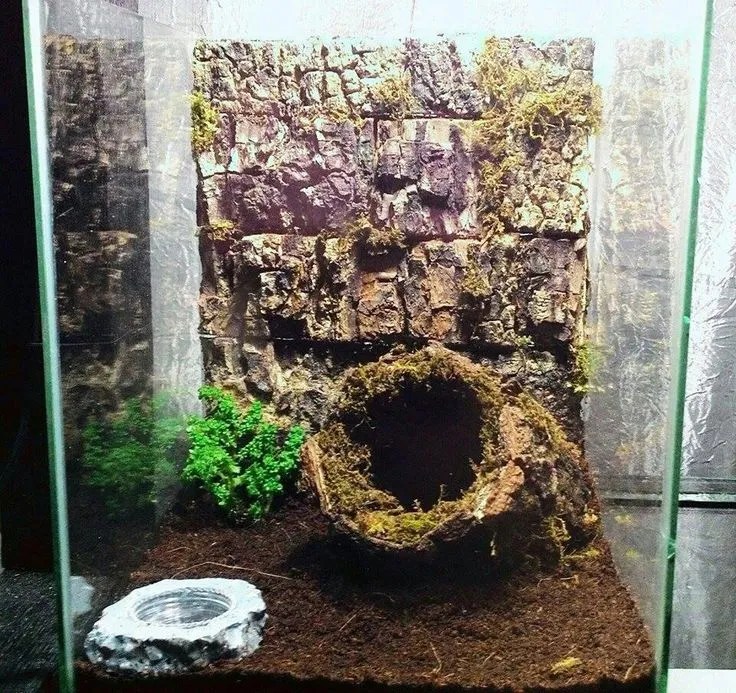
Decorating the terrarium is crucial for providing enrichment and creating a naturalistic environment. Add elements that reflect the tarantula’s natural habitat, such as pieces of cork bark, driftwood, artificial plants, or rocks. These elements not only provide hiding places but also offer climbing opportunities for arboreal species and can help the tarantula feel more secure. When selecting decorations, ensure they are non-toxic, free of sharp edges, and can’t tip over or trap the tarantula. Provide a water dish or a shallow water source, ensuring it’s accessible to the tarantula. The water should be clean and changed regularly to prevent bacterial growth. Ensure there is a hide, like a hollow log or a piece of cork bark, as tarantulas can get stressed if they don’t have a place to retreat, especially when molting.
Essential Elements
Several essential elements contribute to creating a thriving habitat for your tarantula. These elements include adequate space for movement, a secure hiding place, appropriate substrate depth for burrowing (if applicable), and suitable decorations for climbing and hiding. The arrangement of these elements should cater to the tarantula’s specific needs and behavior. For instance, for terrestrial species, you may position the hide near the ground to encourage burrowing, while for arboreal species, place the hide higher up or offer vertical climbing opportunities. Always ensure the terrarium has a secure lid to prevent escape. Regular maintenance of these essential elements is vital to maintain a healthy and enriching environment for your tarantula, contributing to its overall well-being and longevity.
Maintaining Humidity and Temperature
Maintaining the correct humidity and temperature levels is critical for the health and well-being of your tarantula. These environmental factors directly impact the tarantula’s ability to molt, its overall activity level, and its health. Different tarantula species have varying humidity and temperature requirements, so it’s essential to research the specific needs of your species. Proper humidity and temperature levels are not only vital for the tarantula’s survival but can also influence its behavior and ability to thrive. Incorrect levels can lead to various health issues, including failed molts, dehydration, and even death. Monitoring and adjusting humidity and temperature are essential components of tarantula care. The use of accurate tools such as hygrometers and thermometers can help you to measure and track environmental conditions in your terrarium.
Temperature Control Methods

There are several methods to maintain the appropriate temperature within the terrarium. For most tarantulas, a heat source, such as a heat mat or a ceramic heat emitter, can be placed on the side or the back of the terrarium. Never place the heat source directly under the terrarium, as this can lead to excessive heat and potentially harm the tarantula. A thermostat is a must-have tool to regulate the heat source and prevent overheating, ensuring consistent and safe temperatures. The placement of the heat source and thermostat should be carefully monitored to create a temperature gradient within the terrarium, allowing the tarantula to regulate its body temperature. For maintaining humidity, the frequency of misting the substrate and the use of a water dish or shallow water source are essential. The frequency of misting depends on the specific humidity needs of the tarantula species and the substrate used. It is vital to strike a balance, avoiding excessive humidity to prevent mold growth and ensure the tarantula thrives.
Providing Fresh Water
Providing a clean and readily available water source is critical for your tarantula’s hydration and overall health. A shallow water dish is a standard and effective method, allowing the tarantula to drink without risk of drowning. The size of the water dish should be appropriate for the tarantula; it should be shallow enough that the tarantula can easily reach the water and is positioned to prevent accidental drowning. Regular cleaning of the water dish is essential. Replace the water daily, or every other day, to prevent the growth of bacteria, which can be harmful to your pet. Consider using a water gel, especially for smaller tarantulas or those with species-specific humidity requirements. Water gels provide a clean and safe hydration option, reducing the risk of contamination. The key is ensuring that the water source is always available and maintained to promote the tarantula’s hydration.
Feeding Your Tarantula
Feeding your tarantula involves understanding its dietary needs, the appropriate food items, and the feeding frequency. Tarantulas are typically opportunistic carnivores, feeding primarily on insects. The choice of food items depends on the size and age of the tarantula. Crickets, mealworms, and roaches are common food sources for adult tarantulas, while smaller tarantulas or slings may be fed pre-killed, smaller prey. The food items should be gut-loaded before feeding them to your tarantula to ensure they’re nutritious. Gut-loading involves feeding the insects a nutritious diet, rich in vitamins and minerals, for at least 24 hours before offering them to your tarantula. Always remove any uneaten prey within 24 hours to prevent the prey from bothering your tarantula and to avoid potential injury to your tarantula from the prey. Providing the right nutrition is essential for the tarantula’s growth, health, and overall well-being.
Feeding Frequency

The frequency of feeding depends on the tarantula’s age, size, and species. Juvenile tarantulas, or slings, require more frequent feeding, typically every 2-3 days, as they’re growing rapidly. Sub-adults and adults can be fed less frequently, often once or twice a week. Observe your tarantula’s abdomen; a well-fed tarantula will have a round abdomen, whereas an underfed one will have a smaller, more concave abdomen. Adjust the feeding schedule based on your observations. It is also essential to consider the molting cycle. Tarantulas often refuse food before molting, so do not force-feed a tarantula that appears to be preparing to molt. After molting, wait a few days for the tarantula’s exoskeleton to harden before resuming feeding. Adjusting the feeding frequency in relation to your tarantula’s size, age, and overall condition helps promote optimal health.
Cleaning and Maintenance
Regular cleaning and maintenance of the terrarium are essential for maintaining a healthy and hygienic environment for your tarantula. This involves removing waste, uneaten food, and shedding to prevent mold growth and bacterial contamination. A consistent cleaning schedule and regular checks of the substrate are crucial to maintaining the terrarium’s cleanliness. Proper cleaning habits are also essential to ensure the well-being of your tarantula and to prolong its health. The frequency of the cleaning depends on factors such as the size of the terrarium, the species of the tarantula, and the type of substrate. Regular maintenance, combined with the proper equipment and techniques, ensures the environment remains beneficial for the tarantula.
Regular Terrarium Cleaning
Regular cleaning involves spot-cleaning and periodic substrate replacement. Spot-cleaning should be done regularly, ideally every 1-2 weeks, to remove any visible waste, uneaten food, or shed exoskeletons. Using a small scoop or tongs, gently remove any waste without disturbing the tarantula or its habitat. The substrate should be partially or fully replaced every 2-6 months, depending on the substrate type and the tarantula’s size and waste production. When replacing the substrate, gently remove the tarantula from the terrarium and place it in a temporary container. Replace the old substrate with fresh, clean substrate, ensuring all the decorations and hides are returned to their original positions. Thorough and regular cleaning efforts help maintain a healthy and enriching environment.