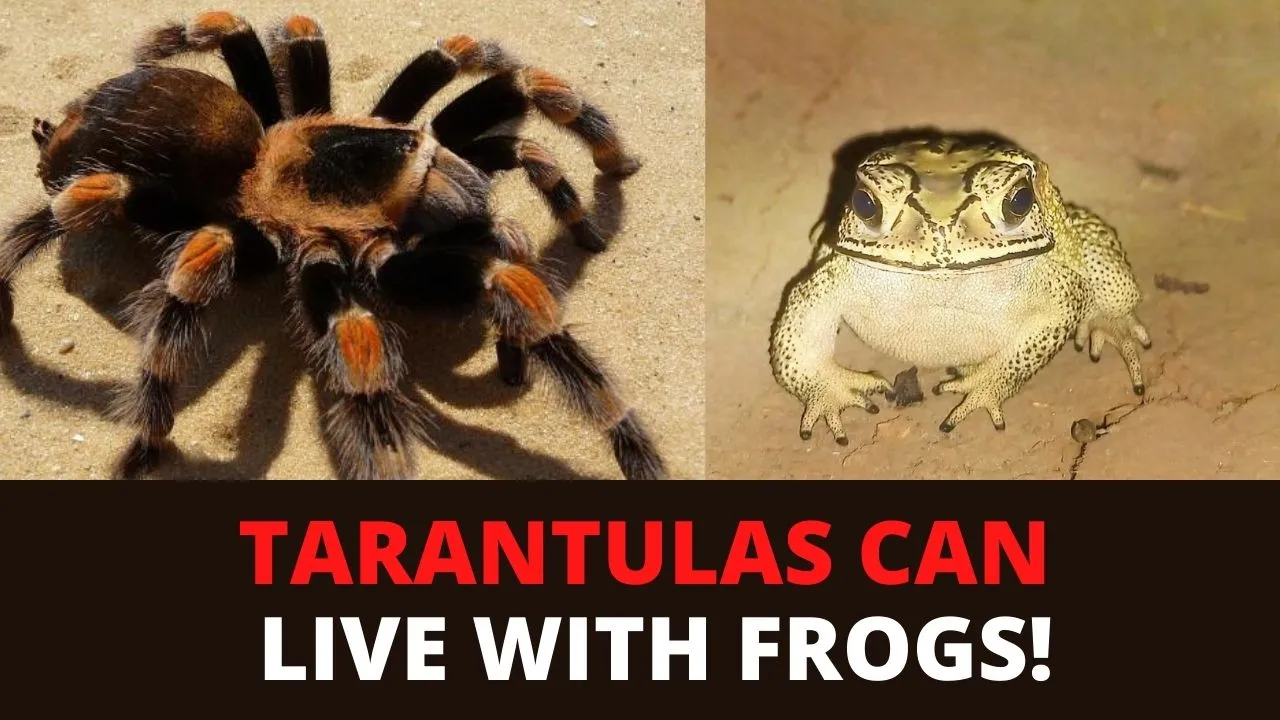
Tarantula vs Frog The Ultimate Battle
The natural world is full of dramatic encounters, and few are as intriguing as a potential battle between a tarantula and a frog. These creatures, vastly different in their biology and behavior, represent a compelling study in predator-prey dynamics. The tarantula, a large and imposing spider, and the frog, with its quick reflexes and defensive strategies, offer a fascinating scenario. This article delves into the specifics of such a potential confrontation, exploring the strengths, weaknesses, and survival tactics of both contestants, ultimately examining who might emerge victorious in this ultimate battle for survival.
Tarantula Anatomy and Predatory Skills
Tarantulas are formidable predators, equipped with a range of anatomical features and hunting behaviors designed to secure their meals. Their large size and hairy bodies serve as a deterrent to many potential predators, while their powerful fangs and venom are highly effective tools for subduing prey. They possess eight eyes, which although not providing the sharpest vision, allow them to detect movement and perceive their surroundings. Their strong legs and agility enable them to move quickly, and they can also climb, giving them an advantage in various terrains. Understanding these aspects is essential in assessing their potential in a confrontation.
Venom and Fangs

One of the tarantula’s most significant assets is its venom. This potent substance, injected through their fangs, serves to paralyze and, in some cases, pre-digest their prey. The size and strength of a tarantula’s fangs can vary depending on the species, but they are generally designed to pierce the exoskeleton or skin of their victims. The venom’s composition varies, but it usually contains neurotoxins that quickly disable the prey. This can be particularly effective against smaller animals, making the tarantula a highly efficient hunter in its environment. The effectiveness of the venom is a major factor in any confrontation.
Hunting Techniques
Tarantulas utilize a variety of hunting techniques. Some are ambush predators, waiting patiently in burrows or under cover, ready to strike when prey comes within range. Others actively hunt, stalking their victims. Their sensory abilities, including the detection of vibrations, help them locate potential meals. Once the prey is within reach, the tarantula will quickly pounce, using its fangs and venom to incapacitate the victim. This combination of stealth, speed, and venom is a key component of their hunting success. Their hunting techniques will be tested in a tarantula vs frog scenario.
Camouflage and Ambush Tactics
Tarantulas often rely on camouflage to remain hidden from both predators and prey. Their coloration frequently blends with the environment, whether it’s the soil of a burrow or the bark of a tree. This camouflage is crucial for ambush tactics, allowing them to remain undetected until the opportune moment to strike. They will patiently wait, blending into their surroundings, for any movement to occur. This is often a crucial advantage, helping to increase their chances of a successful hunt. The use of these tactics in a tarantula vs frog battle will greatly impact the outcome.
Frog Characteristics and Defensive Strategies

Frogs, in contrast to tarantulas, have their own unique set of survival mechanisms. Their adaptations allow them to avoid becoming prey in the wild. They are generally more agile than tarantulas, with powerful legs designed for jumping and swimming. They also have defensive strategies, which include their skin and their ability to secrete toxins. These features are critical when they face predators. The survival of a frog often depends on its awareness of its environment and its speed in evading danger. Frogs can be a formidable opponent.
Size and Strength
The size and strength of a frog can vary significantly depending on the species. Larger frogs, particularly those in the tropical regions, can be quite powerful, possessing strong legs for jumping and a surprising amount of muscular strength. This strength can be a defensive asset, allowing them to escape quickly or possibly resist a tarantula’s initial attack. The overall size and physical condition of a frog will determine their survival chances in a tarantula vs frog battle. A healthy and robust frog can offer significant resistance.
Skin Toxicity and Secretions
Many frog species possess skin toxins or secrete poisonous substances as a primary defense mechanism. These toxins can deter predators by causing illness, paralysis, or even death. The level of toxicity varies from species to species, with some frogs being highly poisonous. This defense is a potent countermeasure against predators that attempt to bite or consume the frog. If a tarantula were to bite a toxic frog, it could quickly become incapacitated, turning the tables in the fight. The skin of the frog is a key defense.
Jumping Ability and Evasion

The ability to jump is a vital defensive asset for frogs. Their powerful hind legs allow them to leap quickly and escape predators. This jumping ability, combined with agility, makes them difficult to catch. They can use this to evade attacks, cover distance rapidly, and find refuge in the environment. This evasive maneuverability can give them a significant advantage in a tarantula vs frog confrontation. It allows them to maintain a safe distance and potentially escape danger. The frogs’ speed and jumping are crucial for survival.
The Showdown Tarantula vs Frog
The scenario of a tarantula versus frog is a clash of two distinct survival strategies. Each creature brings its unique capabilities to the table. The tarantula relies on its venom, fangs, and ambush tactics, while the frog depends on its speed, defensive secretions, and jumping abilities. The outcome of such an encounter would depend on a multitude of factors, including the size of the tarantula and the frog, the specific environment, and the initial positions of the creatures. It would be a battle of stealth versus agility, poison versus venom.
Initial Encounter and Tactics
The initial encounter between a tarantula and a frog could dictate the course of the battle. If the tarantula ambushes the frog, its success will be determined by its ability to quickly inject venom before the frog can react. If the frog detects the tarantula first, it could use its jumping ability to escape or use its skin toxicity. The tactics each creature employs in this initial phase will be crucial. The element of surprise and the ability to react quickly will be decisive. The first few moments of the encounter are critical in determining the outcome.
The Role of Environment

The environment plays a critical role in any potential confrontation. The availability of cover, such as rocks, vegetation, and uneven terrain, can significantly influence the outcome. The tarantula, with its ability to climb and hide, might gain an advantage in environments with numerous hiding spots. Conversely, a frog might benefit from open spaces where it can use its jumping ability to evade the tarantula. The habitat will directly affect the battle. The availability of these resources will impact the encounter.
Battle Outcome Analysis
Analyzing the potential outcome of a tarantula versus frog battle is complex. The tarantula’s venom is a deadly weapon, but the frog’s defensive mechanisms and agility can offer a strong defense. If the tarantula manages to successfully bite the frog, the venom could quickly paralyze it, leading to the tarantula’s victory. However, if the frog is able to escape the initial attack or if the frog’s skin secretions deter the tarantula, the frog has a higher chance of survival. The size, species, and environmental conditions will all determine the victor. The ultimate victor is difficult to call.
Final Thoughts and Conclusion
The battle between a tarantula and a frog is a compelling illustration of the diverse survival strategies found in the natural world. The tarantula, with its hunting skills, and the frog, with its defensive adaptations, represent a fascinating case study in predator-prey dynamics. The outcome of such an encounter is far from certain. It underscores the complexity and unpredictability of nature. The ultimate winner would depend on several factors, making any prediction a matter of speculation. These battles are part of the natural order, with each species continually adapting and evolving in a never-ending struggle for survival. The tarantula vs frog scenario is a reminder of the delicate balance within the ecosystem.