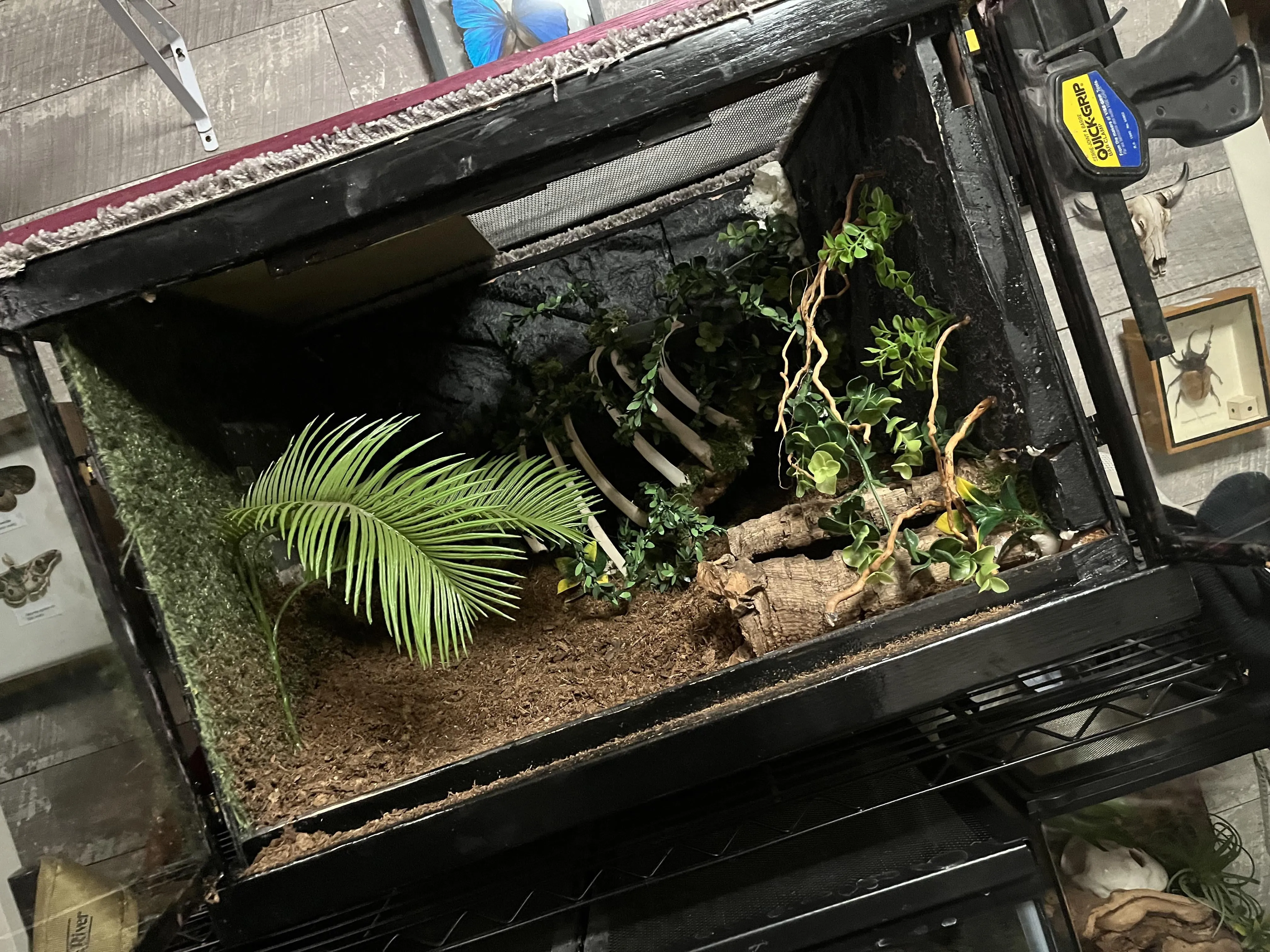
Why Tarantula Tank Toys are Essential
Owning a tarantula can be a rewarding experience, but it’s crucial to create an environment that caters to their natural instincts. Tarantulas, despite being solitary creatures, benefit greatly from enrichment. This is where tarantula tank toys come into play. They are not just decorative items; they are vital for the physical and psychological well-being of your pet. Providing the right toys and accessories can significantly improve your tarantula’s quality of life, encouraging natural behaviors and reducing stress. A well-equipped tank mimics the tarantula’s natural habitat, allowing them to thrive in a safe and stimulating environment.
Enrichment Benefits of Tarantula Tank Toys
Enrichment is a key aspect of responsible tarantula care. It goes beyond simply providing food and water; it involves creating an environment that stimulates the tarantula’s mind and body. Tarantula tank toys offer several enrichment benefits. They encourage natural behaviors, such as burrowing, climbing, and exploring, which are essential for their physical health. They also help to reduce stress and boredom, common issues in captive environments. By providing hiding places and varied textures, you can create a more engaging and enriching habitat that promotes overall well-being. Moreover, a stimulating environment can lead to a healthier and more active tarantula, ultimately enhancing your enjoyment of your pet.
Top 5 Must-Have Tarantula Tank Toys

When it comes to tarantula tank toys, some items are more essential than others. These top 5 must-haves will ensure your tarantula has a comfortable and stimulating habitat.
Hiding Spots
Hiding spots are the most crucial element of any tarantula enclosure. Tarantulas are naturally shy and secretive creatures. A hide provides a secure place where they can retreat, feel safe, and de-stress. Hides can come in various forms, such as cork bark, pre-made resin hides, or even appropriately sized hollow logs. The hide should be large enough for your tarantula to fully fit inside, offering a sense of security. Position the hide in a corner or against a side of the enclosure to further enhance the feeling of safety. This is a crucial component of your tarantula’s well-being, and it should be a priority when setting up their habitat. (Image Tarantula hiding spot)
Climbing Structures
Even terrestrial tarantulas appreciate the opportunity to climb. Climbing structures can include branches, driftwood, or artificial plants. These additions offer your tarantula opportunities for exercise and exploration, allowing them to engage with their environment in a more natural way. Make sure that the climbing structures are stable and non-toxic. Arrange them to create varied levels within the enclosure, giving your tarantula a dynamic space to move around. Climbing structures can also serve as anchoring points for molting, providing a surface for the tarantula to grip while shedding its exoskeleton. (Image Tarantula climbing structure)
Water Bowls and Dishes

Providing a clean water source is absolutely vital for any tarantula. A shallow water dish is a must-have, as tarantulas need access to fresh water at all times. Choose a dish that is appropriately sized for your tarantula; it should be shallow enough to prevent drowning, yet large enough to accommodate easy drinking. Water dishes can be made of ceramic, plastic, or even a bottle cap. Regularly check and refill the water dish to ensure that your tarantula has a constant supply of clean water. Consider using a small sponge or pebbles in the water dish to prevent smaller tarantulas from accidentally falling in. (Image Tarantula water dish)
Substrate Enhancements
The substrate forms the base of your tarantula’s enclosure and can be enhanced with toys. Substrate enhancements can include sphagnum moss, leaf litter, and other natural elements. These additions not only make the enclosure more visually appealing but also provide enrichment. Sphagnum moss helps retain moisture and can create microclimates within the enclosure, benefiting your tarantula. Leaf litter offers a natural environment for exploration and allows the tarantula to exhibit its natural burrowing behavior. Make sure that all substrate enhancements are clean and free of pesticides. (Image Tarantula substrate)
Feeding Accessories
While not strictly ’toys,’ feeding accessories can significantly enhance the tarantula’s environment. Using feeding tongs to offer food allows you to control the feeding process and avoid disturbing your tarantula. This also prevents uneaten prey from hiding and potentially stressing the spider. A feeding dish can be used to place pre-killed insects or offer supplements, further enriching their enclosure. These accessories contribute to the overall well-being of your tarantula, improving their quality of life and allowing you to provide excellent care. (Image Tarantula feeding accessories)
How to Choose the Right Toys for Your Tarantula

Choosing the right tarantula tank toys requires careful consideration of your tarantula’s needs and preferences. The selection process should be based on your tarantula’s specific species, safety requirements, and the overall environment. Here’s how to make the best choices for your pet.
Consider Your Tarantula’s Species
Different tarantula species have different needs. Terrestrial species, for example, will benefit most from a good hide and ample substrate for burrowing, while arboreal species need climbing structures and vertical space. Research the specific requirements of your tarantula species before purchasing any toys or accessories. Consider their natural habitat and the types of environments they prefer. Tailor your choices to match their specific needs to maximize their comfort and well-being. This will ensure the environment is as natural and enriching as possible.
Prioritize Safety and Non-Toxicity
Safety is paramount when selecting toys for your tarantula. Ensure that all items are non-toxic and free of any sharp edges or small parts that could be a hazard. Avoid using materials that could be ingested or release harmful chemicals. Check all items for any potential hazards before placing them in the enclosure. Regularly inspect all toys and accessories for wear and tear and replace them if necessary. Creating a safe environment is essential for the health and longevity of your tarantula, allowing them to thrive without risks. Ensure all items are safe from any potential dangers. (Image Tarantula habitat)
Placement and Arrangement Tips

The way you arrange the toys in your tarantula’s enclosure significantly impacts its well-being. Consider the natural behavior of your tarantula and place items accordingly. Place the hide in a corner or against a side to create a sense of security. Position climbing structures to allow easy access and exploration. Ensure that the water dish is easily accessible and not obstructed. Varying the arrangement periodically can also provide additional stimulation and prevent boredom. Regularly observe your tarantula to see how it interacts with its environment and make adjustments as needed. This will provide a dynamic and enriching habitat.
Creating an Engaging Tarantula Habitat
Creating an engaging habitat is essential for your tarantula’s well-being. The combination of appropriate toys, substrate, and environmental factors creates a stimulating environment that encourages natural behaviors and reduces stress. With proper planning, you can transform the enclosure into a dynamic space where your tarantula can thrive. This process enhances your enjoyment of the pet, making it more rewarding for both of you.
Benefits of a Stimulating Environment
A stimulating environment provides numerous benefits for your tarantula. It promotes physical activity, which helps maintain muscle tone and overall health. It also encourages natural behaviors such as burrowing, climbing, and exploring, fulfilling their innate instincts. A stimulating environment significantly reduces stress, which improves your tarantula’s immune system. Providing a stimulating environment ultimately leads to a happier and healthier pet. (Image Tarantula cleaning)
Avoiding Common Mistakes

Avoiding common mistakes is essential for ensuring your tarantula’s well-being. A few key considerations include over-cluttering the enclosure, which can restrict movement and cause stress. Using inappropriate materials, such as sharp objects or toxic substances, can be harmful. Neglecting regular cleaning and maintenance can lead to unsanitary conditions and health problems. By avoiding these mistakes, you can create a safe and enriching environment for your tarantula. Regular research and education ensure you always give the best care.
Proper Cleaning and Maintenance
Proper cleaning and maintenance are essential for maintaining a healthy environment for your tarantula. Regularly remove any uneaten food, shed exoskeletons, and waste. Spot clean the substrate as needed, and completely replace the substrate periodically. Clean the water dish and any other accessories on a regular basis. The frequency of cleaning will depend on the size of the enclosure and the species of tarantula. Use a reptile-safe disinfectant to clean the enclosure, but avoid strong chemicals that could harm your pet. (Image Tarantula cleaning)
By following these guidelines, you can provide your tarantula with a clean and healthy environment, allowing it to thrive and live a long and fulfilling life. Remember to always research your specific tarantula species and adapt your care accordingly.