What Causes Wet Tarantula Substrate?
Maintaining the correct humidity level is crucial for the health and well-being of your tarantula. However, when the substrate becomes excessively wet, it can lead to a variety of problems. Several factors can contribute to this issue, including overwatering or over-misting, insufficient ventilation within the enclosure, and the use of an inappropriate substrate type. Understanding these underlying causes is the first step toward preventing and resolving the problem of wet substrate, ensuring a healthy environment for your arachnid companion. Identifying the source of the moisture issue is vital for effective corrective action, preventing potential health complications for your tarantula. This knowledge will empower you to take the right steps to restore the proper conditions within your tarantula’s habitat.
Overwatering or Over-Misting
One of the most common causes of wet tarantula substrate is overwatering or excessive misting. Tarantulas, particularly those from arid environments, require relatively low humidity levels. Frequent misting, especially when done excessively, can saturate the substrate, leading to damp conditions. Overwatering, whether done intentionally or accidentally, can cause the same issue. It’s crucial to understand your tarantula’s specific needs and to monitor the moisture levels within the enclosure carefully. Avoid saturating the substrate; instead, provide a water dish for drinking and only mist lightly when necessary to maintain the desired humidity levels. Always allow the substrate to dry out partially between waterings to prevent the buildup of excessive moisture.
Poor Ventilation

Adequate ventilation is essential for maintaining a healthy environment in your tarantula’s enclosure. Poor ventilation prevents the evaporation of excess moisture, leading to a perpetually damp substrate. If the enclosure lacks sufficient airflow, the humidity levels will remain elevated, contributing to the problem of wet substrate. This can be especially problematic in enclosures that are tightly sealed. Proper ventilation allows for the exchange of air, helping to regulate humidity and preventing the buildup of mold and other harmful organisms. Ensure that your tarantula’s enclosure has appropriate ventilation, such as strategically placed air holes, to facilitate airflow and prevent moisture from accumulating. The goal is to create a balance between humidity retention and air circulation.
Incorrect Substrate Type
The type of substrate you choose can significantly impact the moisture levels within your tarantula’s enclosure. Some substrates retain moisture more effectively than others, potentially leading to overly wet conditions. For example, substrates like sphagnum moss or overly compacted soil can hold onto water, leading to problems. It’s important to choose a substrate that is appropriate for your tarantula’s species and its specific environmental needs. Consider substrates that offer good drainage and allow for adequate airflow. This will help to prevent the substrate from becoming waterlogged. Researching the best substrate choices for your specific tarantula species is key to maintaining a healthy and balanced environment within the enclosure.
The Dangers of Wet Substrate for Tarantulas
Wet substrate poses several significant health risks to tarantulas. The damp environment can foster the growth of harmful microorganisms and create conditions that are detrimental to your pet’s well-being. It’s important to recognize the potential dangers and take steps to mitigate them promptly. Excessive moisture can lead to a variety of health issues, including fungal and bacterial infections, which can be serious for tarantulas. Furthermore, a consistently wet environment can compromise your tarantula’s health and create an overall unhealthy living space.
Fungal Infections

Fungal infections are a serious concern in excessively wet tarantula enclosures. The damp environment creates an ideal breeding ground for various fungi. These fungi can infect your tarantula, leading to a range of health problems, including skin infections and respiratory issues. The presence of mold and mildew in the substrate is a clear indicator of a potential fungal infection threat. Symptoms of fungal infections can vary but may include lethargy, loss of appetite, and visible lesions on the tarantula’s body. Preventing fungal infections is crucial, which can be done by managing the substrate moisture level and the overall cleanliness of the enclosure.
Respiratory Issues
High humidity from wet substrate can cause respiratory problems in tarantulas. The constant moisture in the air can lead to the accumulation of fluid in the tarantula’s book lungs, which are crucial for oxygen exchange. This can result in difficulty breathing and overall respiratory distress. Furthermore, wet substrate can promote the growth of molds and fungi, releasing spores into the air that can further irritate the respiratory system. Proper ventilation, along with maintaining appropriate humidity levels, is essential to prevent and mitigate respiratory issues in your tarantula.
Bacterial Infections
Bacterial infections are another potential risk associated with wet tarantula substrate. Bacteria thrive in damp environments, and the constant moisture can create an environment where these microorganisms proliferate. When the substrate is excessively wet, bacteria can multiply and potentially infect the tarantula through wounds or by compromising its immune system. The symptoms of a bacterial infection in a tarantula can vary, but may include lethargy, loss of appetite, and unusual behaviors. Preventing and addressing bacterial infections is a key part of tarantula care, involving proper enclosure maintenance, substrate management, and maintaining a healthy living environment.
Top 5 Solutions to Dry Out Tarantula Substrate
If you find that your tarantula’s substrate is too wet, there are several effective solutions you can implement to rectify the situation. Addressing this issue promptly is essential for the health and well-being of your tarantula, as it prevents the growth of harmful organisms and ensures a comfortable living environment. The following steps provide practical solutions for drying out the substrate and restoring the correct humidity levels within the enclosure.
Improve Ventilation
Improving ventilation is a crucial first step in drying out wet tarantula substrate. Ensure that your tarantula’s enclosure has sufficient airflow by adding ventilation holes. If the enclosure has a lid, consider adding ventilation openings or modifying the lid to allow for better air circulation. This can be done by drilling small holes or replacing the lid with a mesh cover. Improved ventilation promotes evaporation, helping to reduce the moisture content in the substrate and the overall humidity levels. Be sure to locate ventilation holes in a manner that does not create a draft that could stress your tarantula. The goal is to establish a healthy exchange of air, facilitating moisture removal and preventing future issues.
Use a Dehumidifier
In cases of excessive humidity, particularly in humid environments, a dehumidifier can be a beneficial tool for drying out the tarantula substrate. Placing a small dehumidifier near the enclosure can help to extract excess moisture from the air, reducing overall humidity levels. Ensure the dehumidifier is placed safely away from the enclosure, and that it doesn’t directly blow air onto the tarantula, as this could cause stress. Monitor humidity levels with a hygrometer to ensure you are achieving the correct range for your specific species. Consistent use of a dehumidifier will help to create a drier, healthier environment, reducing the risk of fungal and bacterial growth.
Replace the Substrate

If the substrate is severely wet or shows signs of mold or mildew, the most effective solution may be to replace the entire substrate. Carefully remove the tarantula from the enclosure and place it in a temporary, secure container. Discard the old substrate and thoroughly clean the enclosure, removing any traces of moisture or debris. Allow the enclosure to dry completely before adding fresh, dry substrate. Choosing the correct substrate type, as detailed below, is a vital step. This process ensures that you remove any harmful organisms that could be present in the existing substrate, giving the tarantula a fresh, clean environment. This ensures the health of your tarantula and prevents potential health issues associated with damp conditions.
Adjust Watering/Misting Schedule
One of the most fundamental steps in resolving wet substrate is adjusting your watering or misting schedule. Evaluate how frequently you are misting or watering the enclosure and reduce the frequency if the substrate is consistently damp. For species that require higher humidity levels, misting can be necessary, but it’s essential to allow the substrate to dry out between misting sessions. For species that prefer drier conditions, reduce watering to the bare minimum, using a water dish for drinking instead. Regularly monitor the moisture levels of the substrate and adjust the schedule accordingly. The goal is to find the perfect balance that meets your tarantula’s needs without oversaturating the substrate.
Introduce Ventilation Holes
Improving ventilation is a fundamental solution to dry out wet tarantula substrate, and introducing additional ventilation holes can significantly improve airflow within the enclosure. Proper ventilation helps facilitate the evaporation of excess moisture, ultimately reducing the humidity levels. If your enclosure does not have sufficient ventilation holes, you can add more, strategically placing them to promote better air circulation. Consider adding holes on the sides or top of the enclosure, ensuring they are small enough to prevent the tarantula from escaping. Ensure there is cross-ventilation, where air can flow in and out, improving air circulation and reducing humidity.
Choosing the Right Substrate

Selecting the right substrate is vital for maintaining a healthy and balanced environment in your tarantula’s enclosure. The correct substrate type can aid in preventing excessive moisture and regulating humidity, thereby promoting the overall well-being of your tarantula. Different substrates have varying properties, such as moisture retention and drainage capabilities, making some more appropriate than others, depending on your tarantula’s specific needs. It’s essential to understand these properties to make an informed choice, ensuring the substrate supports healthy living conditions.
Coco Fiber
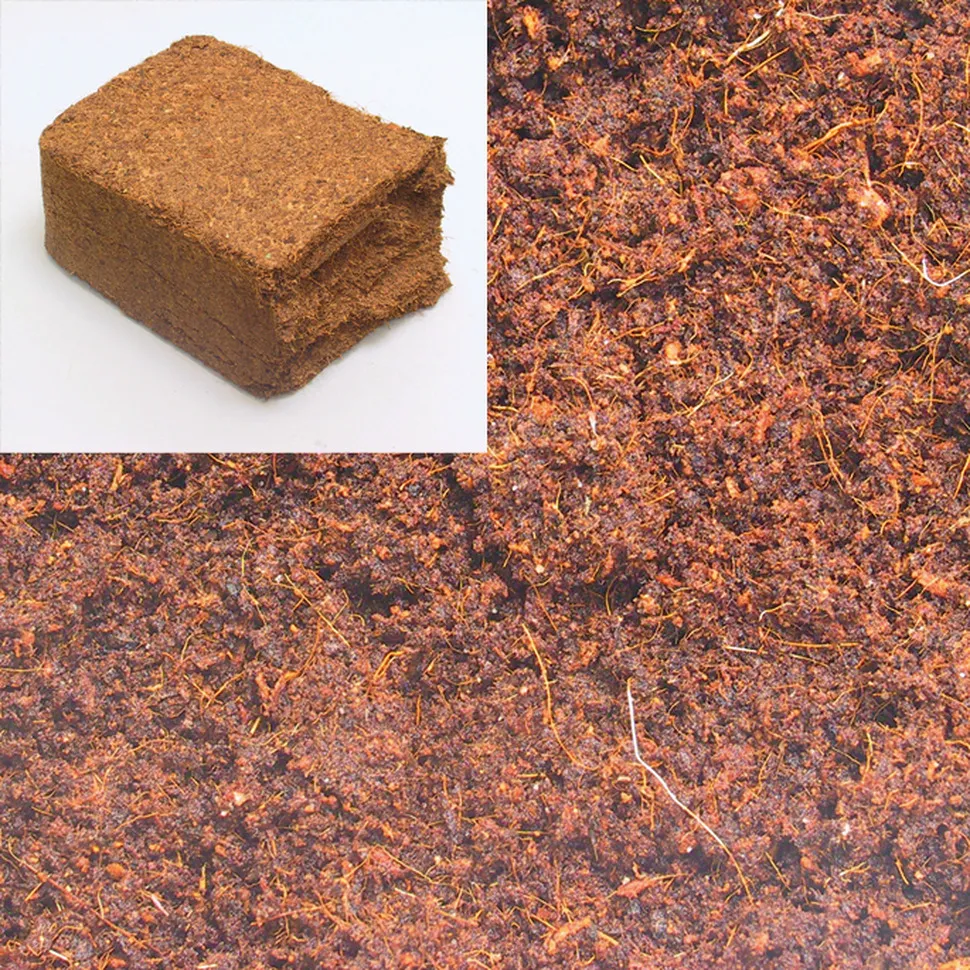
Coco fiber, also known as coir, is a popular substrate choice for tarantulas due to its excellent moisture-retention properties, however, it can lead to wet substrate issues if overwatered. It’s derived from the husk of coconuts and offers a naturalistic appearance, and can be mixed with other substrates to adjust the moisture levels. Coco fiber retains moisture, providing a suitable environment for species that require higher humidity. However, it is essential to avoid overwatering, allowing the substrate to dry out partially between misting or watering. If you are experiencing wet substrate problems, using coco fiber might not be the best choice; ensure proper ventilation to mitigate any potential problems. Also, it’s essential to ensure it’s not compacted, and to mix the substrate well to allow for proper air circulation.
Peat Moss
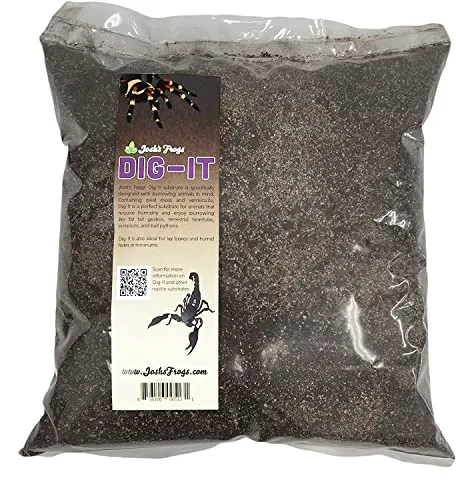
Peat moss is another substrate option that offers good moisture retention properties. Like coco fiber, it is suitable for species that thrive in humid environments. Peat moss is a natural organic material derived from partially decayed plant matter, it can be mixed with other substrates for enhanced moisture control. When using peat moss, it’s crucial to monitor humidity levels and avoid overwatering. It is advisable to ensure proper ventilation within the enclosure to prevent the buildup of excess moisture. Be mindful of the peat moss quality, as some can be quite acidic, and might require pre-treatment to ensure it is suitable for tarantulas. Proper use of peat moss, like any substrate choice, will lead to a healthy environment for your tarantula.
Vermiculite

Vermiculite is a mineral substrate known for its excellent water-holding capacity and its ability to provide good drainage. It can be a useful addition when mixed with other substrate types. Because it retains moisture, vermiculite is a suitable choice for maintaining humidity levels, but it also poses a risk of becoming too wet. It’s crucial to monitor moisture levels and avoid overwatering, particularly in enclosures that don’t have sufficient ventilation. When choosing vermiculite, ensure that it is the horticultural grade to avoid any contaminants that could be harmful to your tarantula. Using it as a primary substrate might not be the best choice, especially if you are new to tarantula care, and it’s best used in combination with other substrates to create a balance between moisture retention and drainage.
Maintenance and Prevention
Preventing wet substrate requires ongoing maintenance and a proactive approach to tarantula care. Regularly monitoring the enclosure’s environment and implementing preventative measures will help you avoid problems and ensure a healthy habitat. This includes monitoring humidity levels, ensuring regular cleaning, and setting up the enclosure correctly from the start. By incorporating these practices into your care routine, you can maintain a safe and healthy environment for your tarantula.
Monitoring Humidity Levels
Regular monitoring of humidity levels is essential for maintaining a healthy tarantula enclosure. Using a hygrometer, a device designed to measure humidity, allows you to keep track of the moisture levels within the enclosure. Check the hygrometer regularly, preferably daily, to ensure that the humidity is within the correct range for your tarantula’s species. If the humidity is consistently too high, adjust your watering or misting schedule. Consider improving ventilation, or, in extreme cases, using a dehumidifier. Proper monitoring helps to catch issues early and prevent the substrate from becoming excessively wet. Accurate monitoring of humidity allows for timely intervention to resolve any issues and help maintain a balanced environment.
Regular Cleaning
Regular cleaning is crucial for preventing wet substrate and maintaining a hygienic environment for your tarantula. Remove any uneaten food, dead insects, or other debris from the enclosure promptly, as these can contribute to mold growth and worsen the damp conditions. Spot-clean the substrate regularly, removing any areas that appear excessively wet or show signs of mold. Performing a full substrate change periodically, depending on your tarantula’s species and the enclosure setup, is also recommended. Regular cleaning promotes a healthy environment and reduces the risk of bacterial and fungal growth. Cleaning helps to prevent the buildup of harmful microorganisms and create a safe and clean living space.
Proper Enclosure Setup
Proper setup of the tarantula’s enclosure is the foundation for preventing wet substrate and maintaining optimal conditions. Ensure the enclosure is the correct size for your tarantula, allowing for sufficient space and proper ventilation. Choose an appropriate substrate based on your tarantula’s species and its environmental needs. Provide a water dish for drinking, but avoid overfilling it or placing it directly on the substrate, which could contribute to excessive moisture. Position the enclosure in a location that is not exposed to direct sunlight or extreme temperature fluctuations. A well-planned enclosure setup lays the groundwork for a healthy and thriving habitat, minimizing the risk of wet substrate and other potential problems.