Tarantula Spiders Top 5 Facts
Tarantula spiders, with their impressive size and diverse appearances, have captivated the interest of both arachnophiles and casual observers. These fascinating creatures, belonging to the Theraphosidae family, are found in various habitats around the globe. This article unveils top five facts about tarantula spiders, exploring their physical characteristics, behavior, and life cycle. From their impressive size to their unique defense mechanisms and fascinating life cycle, tarantulas offer a wealth of intriguing facts. This comprehensive guide provides an in-depth look at these remarkable arachnids, offering insights into their world and dispelling common misconceptions.
Appearance of Tarantula Spiders
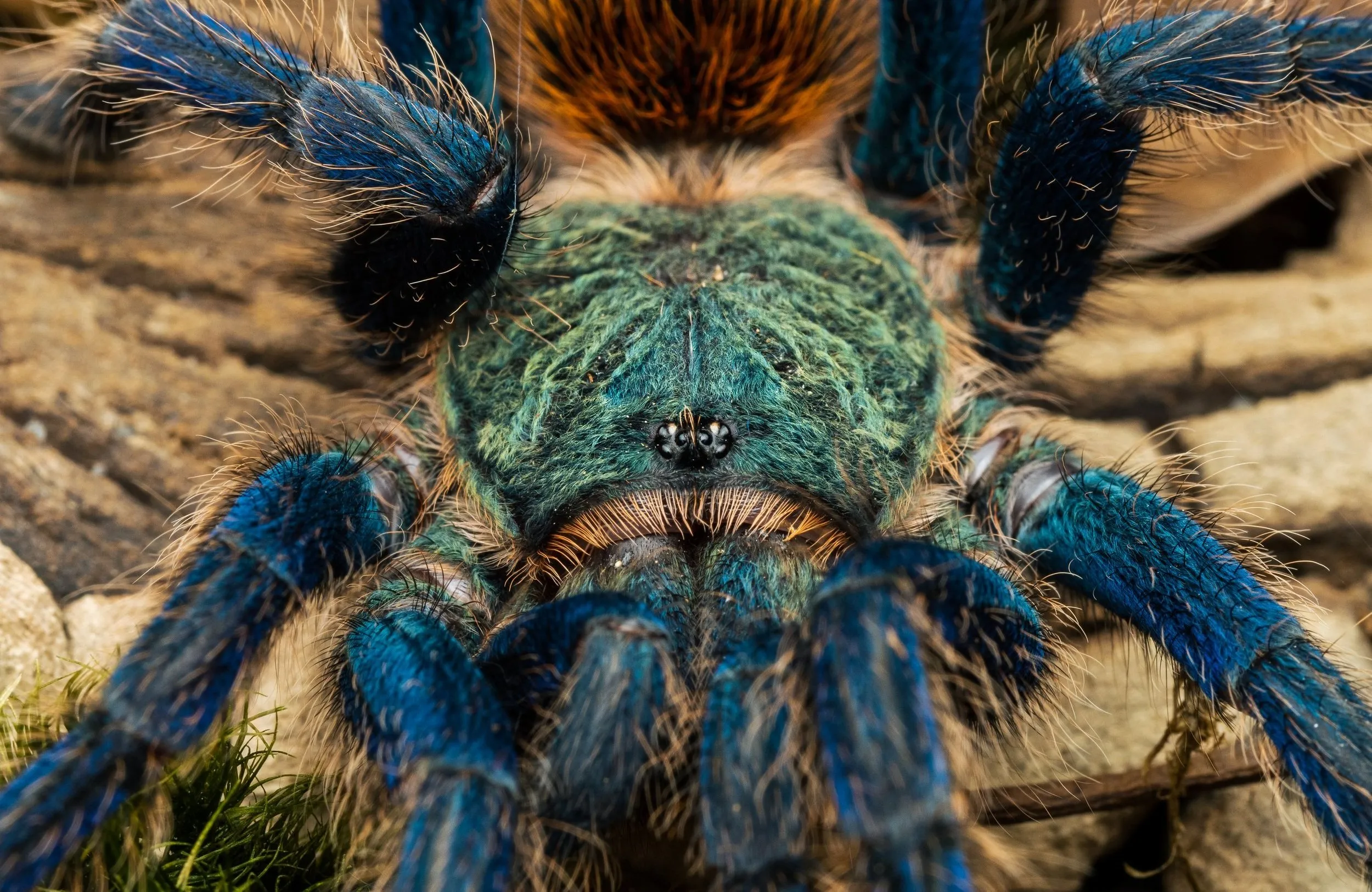
Tarantulas are known for their imposing size and often hairy appearance. Their bodies are divided into two main parts the cephalothorax (fused head and thorax) and the abdomen. They possess eight legs, two pedipalps (used for sensing and manipulating food), and typically eight eyes arranged in various patterns. The size of tarantulas can vary greatly depending on the species, with some reaching leg spans of over 10 inches. Their bodies are covered in setae (hairs) which give them their distinctive furry appearance. These hairs also play a role in their sensory perception, helping them detect vibrations and air currents. The color can vary widely from earthy browns and blacks to vibrant hues of orange, red, and blue.
Size and Color Variations

The size of tarantulas varies significantly among different species. Some of the smallest species have leg spans of just a few inches, while the largest can exceed 10 inches, making them some of the largest spiders in the world. Coloration in tarantulas is incredibly diverse. Many species exhibit shades of brown, black, and gray, providing effective camouflage in their natural habitats. However, others display striking colors, including vibrant blues, oranges, reds, and yellows. These colors can serve various purposes, such as camouflage, warning signals, or attracting mates. The variations in size and color are adaptations to their environments and play a crucial role in their survival and reproduction. The size of the tarantula often dictates the size of the prey it can capture, while the color can help it blend with its surroundings, avoiding predators or ambushing prey.
Habitat and Distribution
Tarantulas are found in a wide range of habitats around the world, primarily in tropical and subtropical regions. They are adaptable creatures, inhabiting diverse environments from rainforests and grasslands to deserts and scrublands. Their distribution is influenced by factors such as climate, food availability, and suitable shelter. Tarantulas have evolved to thrive in various conditions, showcasing their adaptability and resilience. Understanding their habitat is crucial for their conservation and for anyone interested in keeping them as pets. Different species have specific habitat requirements, including humidity, temperature, and substrate, which must be replicated in captivity to ensure their well-being.
Natural Habitats of Tarantulas
Tarantulas exhibit a remarkable ability to thrive in diverse natural habitats. Many species are found in tropical rainforests, where they seek refuge under leaf litter, in burrows, or among the roots of trees. Other species are adapted to grasslands and savannas, often constructing burrows in the soil or utilizing existing crevices for shelter. Desert-dwelling tarantulas have evolved to withstand harsh conditions, including extreme temperatures and arid environments. They create burrows in the sand or utilize rock formations to escape the heat. Some species are arboreal, meaning they live in trees, while others are terrestrial, living on the ground. These diverse habitat preferences demonstrate their adaptability and resilience.
Geographical Distribution

Tarantulas are distributed across various continents, including North and South America, Africa, Asia, and Australia. The Americas are home to a particularly rich diversity of tarantula species, with many found in the tropical regions of Central and South America. Africa also boasts a significant number of tarantula species, adapted to the continent’s varied climates. In Asia, tarantulas inhabit a range of environments from rainforests to arid regions. Australia is home to several unique tarantula species, including some of the largest and most venomous species. Understanding the geographical distribution of tarantulas helps to identify conservation priorities and protect their habitats. The distribution patterns also reveal the evolutionary history and dispersal of these fascinating arachnids.
Diet and Feeding Habits
Tarantulas are primarily carnivorous creatures, with their diet consisting mainly of insects and other invertebrates. They are ambush predators, patiently waiting for prey to come within striking distance. Their feeding habits are fascinating, involving the injection of venom to immobilize and digest their prey. The specific diet of a tarantula varies depending on its size, species, and habitat, but it always reflects their predatory nature. Tarantulas play a vital role in their ecosystems, helping to control populations of insects and other small animals. Their feeding behavior is a complex process, involving the use of specialized mouthparts and digestive enzymes.
What Tarantulas Eat
The diet of a tarantula generally consists of insects, such as crickets, cockroaches, mealworms, and beetles. Larger tarantulas may also consume small vertebrates, including mice, lizards, and even small birds. The size of the prey depends on the size and species of the tarantula; smaller tarantulas require smaller prey items. Tarantulas use their chelicerae (fangs) to inject venom into their prey, paralyzing and initiating the digestive process. The venom liquefies the prey’s internal organs, allowing the tarantula to suck up the nutrient-rich fluids. This feeding process is a unique adaptation that has allowed tarantulas to thrive in diverse environments. The tarantula’s diet is carefully managed in captivity to ensure its health and well-being.
Feeding Frequency

Feeding frequency for tarantulas varies depending on their age, size, and species. Young tarantulas, or spiderlings, typically need to be fed more often, sometimes several times a week, to support their rapid growth. Adult tarantulas can often be fed less frequently, usually once or twice a week, or even less during periods of inactivity or before molting. Overfeeding should be avoided, as it can lead to health problems. The amount of food offered should be adjusted based on the tarantula’s appetite and body condition. Captive tarantulas are usually provided with a varied diet of appropriately sized insects. Proper feeding practices are essential for maintaining a healthy and thriving tarantula.
Defense Mechanisms
Tarantulas have evolved various defense mechanisms to protect themselves from predators. These mechanisms include their venomous bite, urticating hairs, and their ability to flee. Understanding these defenses is crucial for both their survival in the wild and for handling them responsibly in captivity. Tarantulas are generally not aggressive but will defend themselves if they feel threatened. They rely on a combination of passive and active defenses to avoid harm. Their defensive strategies are a testament to their adaptability and survival skills. The main goal is to deter potential attackers and to escape danger, ensuring their continued survival in their environments.
Bite and Venom
While tarantulas possess venom, their bite is generally not considered life-threatening to humans. The venom is primarily designed to subdue their prey. A tarantula bite can be painful, causing localized pain, redness, and swelling. However, serious allergic reactions are rare. Some species have more potent venom than others. It’s important to avoid handling tarantulas unnecessarily to minimize the risk of being bitten. If bitten, the area should be cleaned and monitored for signs of infection. Although a tarantula bite is not usually dangerous, caution and proper handling techniques are always advisable.
Urticating Hairs

Many tarantula species have urticating hairs on their abdomen. These hairs are a primary defense mechanism. When threatened, the tarantula will flick these hairs towards the perceived threat. The hairs are barbed and cause intense irritation to the skin and mucous membranes. This irritant effect is a deterrent to potential predators, such as mammals and birds. The hairs can cause itching, burning, and, in some cases, respiratory issues if inhaled. Handling tarantulas should be done carefully to avoid contact with these hairs. Proper ventilation and handling techniques are vital to minimizing exposure and the risk of irritation.
Lifespan and Reproduction
Tarantulas have a remarkable lifespan, especially when compared to other spiders. Their life cycle involves several stages of growth and reproduction. Their lifespan is influenced by various factors, including species, sex, and environmental conditions. The process of molting is essential for their growth, and their reproductive behavior is a fascinating part of their life cycle. Understanding these aspects is crucial for anyone interested in these creatures. The lifespan of a tarantula can be a testament to its resilience and ability to adapt to various environmental conditions.
Lifespan of Tarantulas
Tarantulas can live for a surprisingly long time, with females typically living much longer than males. The lifespan of a female tarantula can range from 10 to 30 years, and sometimes even longer. Males, on the other hand, often have shorter lifespans, typically living only a few years after reaching maturity. The lifespan can vary greatly depending on the species. Environmental factors, such as temperature, humidity, and diet, can also influence their longevity. In captivity, tarantulas often live longer than their wild counterparts due to the controlled environment and readily available food. Proper care and attention to their needs can significantly impact their lifespan.
Reproduction Process

The reproduction process in tarantulas involves several stages. Male tarantulas use special structures on their pedipalps to transfer sperm to the female. The male will often construct a sperm web where he deposits his sperm before gathering it with his pedipalps. After mating, the female will lay eggs in a silken egg sac, which she fiercely guards. The eggs hatch into spiderlings, which undergo several molts as they grow. The process of reproduction is a critical aspect of their life cycle, ensuring the continuation of their species. Understanding the complexities of tarantula reproduction is an important part of their study.
In conclusion, tarantula spiders are fascinating creatures with unique characteristics and behaviors. From their imposing size and diverse coloration to their impressive defense mechanisms and long lifespans, they are a testament to the wonders of the natural world. Their adaptability to various habitats and their role in ecosystems further highlight their significance. This guide has explored their top facts, providing a comprehensive overview of these amazing arachnids. Whether you are a seasoned arachnophile or just beginning to explore the world of spiders, tarantulas offer endless opportunities for learning and appreciation.