Understanding Tarantula Spiderling Husbandry
Caring for tarantula spiderlings is a rewarding experience, but it demands knowledge and dedication. These tiny arachnids are fragile and require specific conditions to thrive. Understanding their needs is the first step toward successful husbandry. This guide will provide you with five essential tips to ensure your spiderlings grow into healthy, vibrant adult tarantulas. From enclosure setup to feeding and humidity, we’ll cover all the crucial aspects. Remember that patience is key. Tarantulas grow slowly, and observing their development is part of the fascination of keeping these amazing creatures. Proper husbandry not only ensures their survival but also allows you to witness their fascinating behaviors and lifecycles. By following these guidelines, you will provide the optimal environment for your spiderlings, minimizing stress and maximizing their chances of reaching maturity.
Choosing the Right Enclosure for Spiderlings
The enclosure is the spiderling’s home, and its design directly impacts the spiderling’s well-being. The ideal enclosure provides security, proper ventilation, and easy access for feeding and maintenance. A clear plastic container with a secure lid is often the best choice. These containers allow for easy viewing of the spiderling, and their transparency simplifies monitoring of environmental conditions. Avoid using glass enclosures as they can make it harder to maintain humidity and temperature. Always ensure the enclosure is escape-proof, as spiderlings are incredibly small and can squeeze through tiny gaps. Also, the enclosure should be placed in a location away from direct sunlight and drafts, which can negatively impact the spiderling’s health and overall comfort.
Enclosure Size and Ventilation

Enclosure size is crucial. Initially, a small enclosure, roughly 4x4x4 inches, is sufficient for a small spiderling. As the spiderling grows and molts, the enclosure should be upgraded accordingly to prevent overcrowding. Overcrowding can stress the spiderling and make it harder to regulate humidity and temperature. Ventilation is equally important. The enclosure needs adequate airflow to prevent mold and mildew growth, which is dangerous for the spiderling. Airflow can be achieved by creating small ventilation holes along the sides and top of the enclosure. Avoid placing ventilation holes on the bottom, as this could compromise the substrate’s ability to retain moisture. Ensure that the ventilation is sufficient but not excessive; the goal is to achieve a balance that maintains humidity while preventing the air from becoming stagnant.
Substrate Selection for Spiderlings
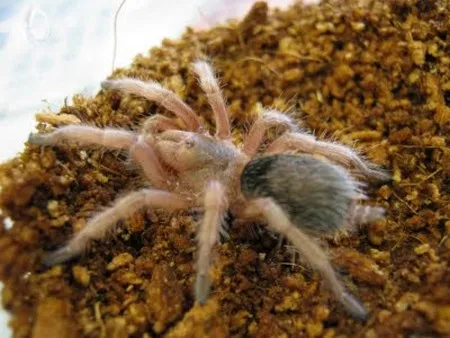
The substrate acts as the spiderling’s bedding and plays a vital role in maintaining humidity. The substrate also provides a surface for the spiderling to walk on, burrow in (if the species allows), and creates a sense of security. A proper substrate supports the spiderling’s overall health and well-being. The choice of substrate depends on the species of tarantula and its natural habitat. However, certain types of substrate work well for most spiderlings and will ensure a healthy environment for your new pet. The substrate should be deep enough for the spiderling to burrow if it’s a burrowing species, which adds to the animal’s comfort and provides a place to hide during molting.
Ideal Substrate Types
For most spiderlings, a mix of coco fiber and peat moss is an excellent choice. Coco fiber retains moisture well, making it easy to maintain the required humidity levels. Peat moss adds to this moisture retention, and the combination creates a naturalistic and safe environment. Another option is a mix of vermiculite and sphagnum moss. Vermiculite helps with humidity control, while sphagnum moss aids in water retention and provides a slightly acidic environment that inhibits the growth of harmful bacteria. Avoid using substrates that can compact easily, such as sand. Sand can also be difficult for spiderlings to burrow in. The substrate should be replaced periodically to prevent the buildup of waste and mold. Make sure the substrate is always kept clean and free of any potential hazards.
Maintaining Humidity Levels
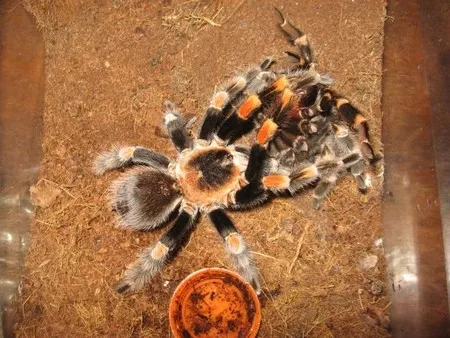
Humidity is critical for the health and proper molting of tarantula spiderlings. The correct humidity level mimics the spiderling’s natural habitat and facilitates the shedding of their exoskeleton during the molting process. Insufficient humidity can lead to molting problems, which can be fatal. On the other hand, excessive humidity can promote mold and mildew growth, leading to health issues. Regularly monitor the humidity levels using a hygrometer placed inside the enclosure. The ideal humidity level varies depending on the species, but most spiderlings thrive in a range of 60–80%. Adjust the humidity based on the specific requirements of your tarantula spiderling species.
Importance of Humidity in Tarantula Spiderling Husbandry
Humidity is more than just a number; it’s a vital component of the spiderling’s environment that supports its overall well-being. Humidity helps prevent dehydration, which is a common issue for spiderlings in dry environments. It also plays a crucial role during molting. A sufficiently humid environment ensures that the old exoskeleton sheds smoothly. Without adequate humidity, the exoskeleton can become too hard and difficult to shed, potentially trapping the spiderling inside, resulting in injury or death. The humidity also helps to prevent the spiderling from developing respiratory problems. The right level of humidity provides a comfortable and healthy environment, supporting the tarantula’s natural behaviors and promoting longevity.
Methods for Humidity Control
Several methods can be employed to control humidity levels within the enclosure. Misting the substrate with dechlorinated water is a simple and effective way to increase humidity. The frequency of misting depends on the substrate type and the species’ humidity requirements. You might need to mist the enclosure daily or every few days, depending on your setup. Another option is to provide a water dish, which allows for the evaporation of water, thus raising humidity. The size and placement of the water dish should be appropriate for the size of the spiderling. Use a shallow dish to minimize the risk of drowning. Monitoring the substrate’s moisture level is also crucial. The substrate should be slightly moist but not waterlogged. If it’s too wet, reduce the misting frequency. If it’s too dry, increase it. By using a hygrometer and observing the behavior of your spiderling, you can fine-tune the humidity control methods and create the optimal environment.
Proper Feeding and Watering

Feeding and watering are two of the most important aspects of tarantula spiderling care. Proper nutrition and hydration are essential for healthy growth and development. Spiderlings have specific dietary needs and often require more frequent feeding than adult tarantulas. Water should be available at all times. The type of food, feeding frequency, and watering techniques all influence the health of the spiderling. Remember to provide only live food, as this stimulates the spiderling’s natural hunting instincts and provides a necessary source of exercise. Never feed your spiderlings food larger than their abdomen, as they may be overwhelmed and may have trouble eating it. Always remove uneaten food within 24 hours to prevent mold or other problems.
Feeding Frequency and Food Choices
The feeding frequency for spiderlings is typically more frequent than for adult tarantulas. Generally, spiderlings should be fed every 2-3 days, or even daily, depending on their size and growth rate. The feeding frequency can be adjusted based on the spiderling’s appetite and activity level. If the spiderling consistently refuses food, it might be in premolt and should be left undisturbed. The best food choices for spiderlings are small, live insects, such as fruit flies, pinhead crickets, or small roaches. These insects are easy for the spiderling to capture and digest. Avoid feeding wild-caught insects, as they can carry parasites or pesticides. Always ensure the feeder insects are gut-loaded with nutritious food, as this improves the nutritional value for your spiderling. Provide a variety of insects to provide a balanced diet and keep the spiderling interested in its food.
Watering Techniques for Spiderlings
Providing fresh water is essential for the hydration of your spiderling. Spiderlings need a constant supply of water to survive, and they obtain this through a water source in their enclosure. The simplest method is to provide a small, shallow water dish. Ensure the water dish is small enough to prevent drowning. Alternatively, you can mist the enclosure lightly with dechlorinated water, allowing droplets to form on the sides of the enclosure. The spiderling can then drink from these droplets. Replace the water regularly to prevent bacteria and mold from forming. You can also offer water-filled gel cubes, which are a safer alternative to open water dishes, especially for very small spiderlings. Ensure the water source is clean and accessible. Clean, fresh water contributes significantly to the overall health and well-being of the spiderling.
Temperature Regulation for Tarantula Spiderlings

Tarantulas are ectothermic, meaning they rely on external heat sources to regulate their body temperature. Maintaining the correct temperature is crucial for their metabolism, growth, and overall health. The temperature range should mimic their natural habitat. Too low, and the spiderling’s metabolism will slow down, leading to a loss of appetite and reduced activity. Too high, and it could lead to dehydration and other health problems. Monitoring the temperature using a thermometer is essential for ensuring the spiderling’s comfort and well-being. The ideal temperature varies depending on the species of tarantula, but most spiderlings thrive in a range of 75–85°F (24–29°C). Always adjust the temperature based on the specific requirements of your tarantula species.
Optimal Temperature Range
The optimal temperature for most tarantula spiderlings is between 75–85°F (24–29°C). Some species may prefer slightly higher or lower temperatures, so research your spiderling’s specific needs. The temperature should be maintained consistently, avoiding drastic fluctuations. Gradual temperature changes are generally better than abrupt ones. Monitor the temperature in multiple locations within the enclosure to ensure it’s uniform. Also, the temperature in the enclosure should mimic the temperature in the environment. Providing a temperature gradient by placing a heat source on one side of the enclosure can allow the spiderling to choose its preferred temperature. This is particularly important for species that like to burrow, as they need a cooler area for resting. Always ensure that the temperature range is suitable for the spiderling’s species to maximize its health and lifespan.
Heating Methods and Safety Precautions
Several methods can be used to heat the enclosure, but safety is paramount. The most common methods include using a heat mat, a ceramic heat emitter, or a low-wattage incandescent bulb. Heat mats should be placed on the side or back of the enclosure to avoid overheating the substrate and potentially harming the spiderling. Never place a heat mat directly under the enclosure. When using a heat lamp, ensure it’s placed outside the enclosure and out of the spiderling’s reach to prevent burns. Always monitor the temperature closely using a reliable thermometer. Avoid using heating elements that could pose a fire hazard. Always use a thermostat to regulate the temperature, preventing overheating. If you’re using a heat source, ensure it has a protective cover to prevent accidental contact. Avoid using hot rocks, as they can cause burns and are difficult to control. The correct heating method, coupled with proper monitoring, will help you create a safe and comfortable environment for your tarantula spiderling.
Handling and Observation of Tarantula Spiderlings

Spiderlings are small and fragile, and handling them should be minimized. The spiderling’s health and safety are best served when they are left undisturbed. While it’s tempting to handle these miniature arachnids, it’s best to observe them from a distance. Handling can be stressful for the spiderling and may lead to injury or even death. If handling is unavoidable, it should be done cautiously and with extreme care. The focus should always be on creating a safe and stress-free environment for the spiderling. Regular observation, on the other hand, is crucial to monitor the spiderling’s health, behavior, and overall well-being. Observing the spiderling allows you to identify potential problems early on, such as molting issues or signs of illness. Observe the spiderling regularly, noting its eating habits, activity levels, and any changes in its behavior or appearance. The knowledge gained from observation can significantly aid the overall care of your spiderling.
Minimizing Stress During Handling
If handling is necessary, it should be done with minimal stress. The spiderling’s safety is the priority. Always approach the spiderling calmly and slowly. Avoid sudden movements or loud noises, which can startle it. Handle the spiderling over a soft surface, such as a pillow or a bed, to minimize the risk of injury if it falls. Use a soft, wide brush to gently coax the spiderling onto your hand. Do not try to grab or force the spiderling. The spiderling is fragile, so any fall or injury can be fatal. Once the spiderling is on your hand, keep your movements slow and deliberate. Never hold the spiderling for extended periods. If the spiderling starts to exhibit defensive behavior, such as raising its front legs or flicking hairs, gently place it back into its enclosure. Always wash your hands thoroughly before and after handling to avoid transferring any substances that could be harmful to the spiderling.
Recognizing and Addressing Common Issues
Regular observation allows for early detection of potential health issues. Common issues include molting problems, dehydration, and parasitic infections. If the spiderling is having trouble molting, it might be due to low humidity or other environmental stressors. Consult an expert or experienced tarantula keeper for guidance. Dehydration is often indicated by a wrinkled abdomen. Ensure that the spiderling has access to fresh water. Parasitic infections are less common but can still occur. If you notice any unusual symptoms, such as loss of appetite or lethargy, consult with a veterinarian specializing in exotic animals. Maintain proper hygiene, remove uneaten food promptly, and keep the enclosure clean to minimize the risk of illness. Early intervention is critical in addressing any health problems. Knowledge, observation, and consultation with experts are essential for ensuring the health and longevity of your tarantula spiderling.
Moulting and Growth

Moulting is a natural and essential process for tarantulas, during which they shed their old exoskeleton to grow. Spiderlings moult more frequently than adult tarantulas, sometimes every few weeks or months, depending on their growth rate and species. During the premolt phase, the spiderling may become less active, stop eating, and develop a darker or duller appearance. This is a normal sign that the spiderling is preparing to moult. Creating the ideal environment during the moult is crucial. Improper conditions can lead to problems and even death. Ensure high humidity and avoid disturbing the spiderling during the moulting process. Once the moult is complete, the spiderling will appear in a more vibrant color, and it may take several days to a week for its new exoskeleton to harden. The spiderling is very vulnerable during this time, so avoid handling or disturbing it.
Understanding the Moulting Process
The moulting process is a complex and fascinating biological event. The spiderling gradually separates its old exoskeleton from the new one. The spiderling absorbs water, which causes its body to expand, and it begins to split open along the carapace. It then slowly wriggles out of the old exoskeleton, leaving behind a perfect replica of itself. After the moult, the spiderling is soft and vulnerable. It will usually remain in the same position for a time, allowing its new exoskeleton to harden. It may take several days to a week for the exoskeleton to completely harden. During the moulting phase, the spiderling is particularly vulnerable to stress and injury. It’s crucial to avoid any disturbance and to provide the ideal conditions to ensure a successful moult. Understanding the moulting process helps you to provide appropriate care and support for the spiderling during this critical period.
Providing Optimal Conditions During Moulting
During moulting, the spiderling’s environment needs to be stable. Maintain the appropriate humidity and temperature levels. Ensure that the enclosure is clean and free of any potential hazards. Avoid disturbing the spiderling during the process. Do not attempt to move it or handle it. After moulting, the spiderling’s new exoskeleton will be very soft and vulnerable. Avoid handling or feeding the spiderling until its new exoskeleton has fully hardened. The spiderling will be especially thirsty after moulting, so make sure fresh water is available. Provide a calm and stress-free environment. A successful moult is a sign of a healthy and well-cared-for spiderling. The effort and care that you put into providing the best environment for moulting will contribute to the overall health and well-being of your tarantula spiderling.
Conclusion

Caring for tarantula spiderlings is a unique and rewarding experience. By understanding their specific needs and providing the right environment, you can ensure your spiderlings thrive and develop into beautiful, healthy adult tarantulas. Remember that patience, observation, and a commitment to learning are key. Follow the five tips outlined in this guide: choose the right enclosure, maintain proper humidity, provide appropriate feeding and watering, regulate temperature, and minimize handling. By applying these principles, you’ll be well on your way to becoming a successful tarantula keeper. Enjoy the fascinating journey of raising these incredible creatures and watching them grow and flourish. Your care will contribute to the longevity and well-being of your tarantula spiderlings, and you’ll gain a unique appreciation for these remarkable animals. The satisfaction of successfully raising a tarantula from a tiny spiderling is truly unmatched.