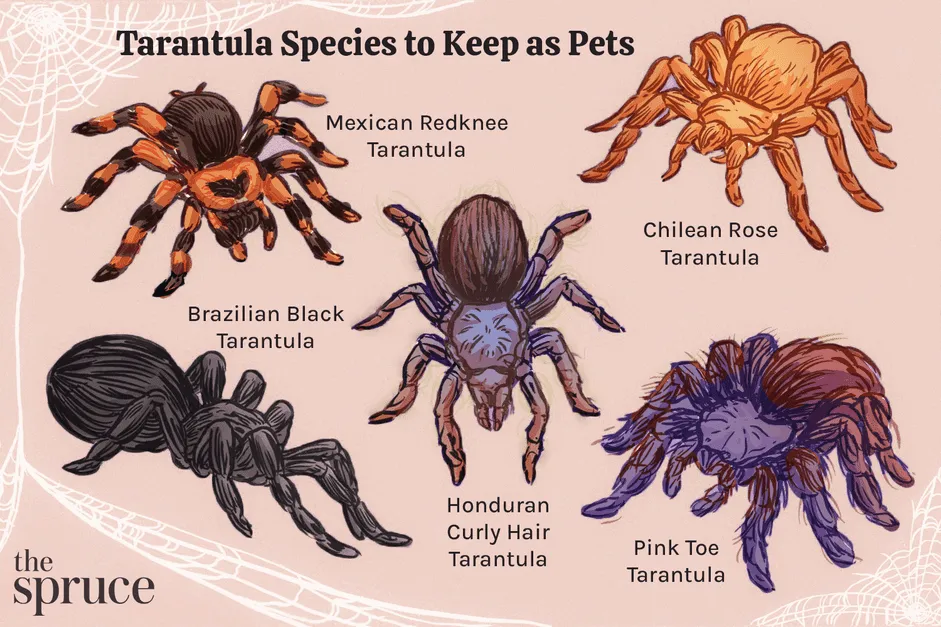
What Makes a Tarantula a Good Pet
Tarantulas have surged in popularity as pets, captivating reptile enthusiasts and those seeking unique companions. Their relatively low-maintenance nature, coupled with their fascinating behaviors and striking appearances, makes them an attractive choice for many. However, the decision to own a tarantula should not be taken lightly. Responsible pet ownership involves understanding the specific needs of these creatures and committing to providing them with a suitable habitat and care. Before acquiring a tarantula, it’s crucial to research the different species and their specific requirements to ensure you can meet their needs and provide a fulfilling life for your eight-legged friend. Consider your lifestyle, your experience with pets, and your willingness to learn about tarantula care before making a commitment.
Temperament and Handling
Tarantula temperament varies significantly between species. Some tarantulas are docile and tolerate handling, while others are skittish and prone to defensive behaviors, such as flicking urticating hairs or biting. It’s important to research the specific temperament of any species you consider owning. Handling tarantulas is generally discouraged unless absolutely necessary, as it can be stressful for the spider and potentially dangerous for the handler. Even docile species can bite if they feel threatened, and their bites, while not typically life-threatening to humans, can be painful. Always approach tarantulas calmly and gently, and avoid sudden movements. When handling is unavoidable, do so close to the ground or a soft surface to minimize the risk of injury if the tarantula falls.
Appearance and Size

Tarantulas boast a diverse range of appearances, from the vibrant colors of the Pinktoe Tarantula to the imposing size of the Goliath Birdeater. They come in various sizes, from the relatively small species like the Chilean Rose Hair to the giants like the Goliath Birdeater, which can have a leg span exceeding 10 inches. Their bodies are covered in hairs, which serve sensory and defensive purposes. They have eight legs, two pedipalps (used for manipulating food and sensing their environment), and two chelicerae (fangs) for injecting venom. The beauty of tarantulas lies in their variety. Researching different species will reveal the array of colors, sizes, and patterns available. Each species has its own unique characteristics, making them an interesting pet to observe and admire. The size of a tarantula is an important factor when deciding on its enclosure.
Ease of Care
Compared to many other exotic pets, tarantulas are relatively low-maintenance. They require a suitable enclosure, appropriate substrate, a water source, and regular feeding. The key to successful tarantula care lies in understanding the specific needs of your chosen species. These spiders are sensitive to temperature and humidity, and keeping them within the correct range is crucial for their health and well-being. Cleaning the enclosure regularly, providing a varied diet of insects, and monitoring their health for any signs of illness are essential tasks. Researching the specific care requirements of the species is important. This includes understanding their preferred humidity levels, temperature requirements, and feeding frequency. Investing in a reliable hygrometer and thermometer is highly recommended to monitor the environment.
Top 5 Tarantula Species
Mexican Red Knee Tarantula

The Mexican Red Knee (Brachypelma hamorii) is a popular choice for beginner tarantula keepers due to their docile temperament and striking appearance, characterized by the vibrant red and orange markings on their leg joints. They are relatively slow-growing and have a lifespan of 20-25 years. They are a terrestrial species, meaning they prefer to live on the ground, and typically require an enclosure with a substrate of peat moss, coconut fiber, or vermiculite. They thrive in temperatures between 75-85°F (24-29°C) and a humidity level of 60-70%. They are generally easy to care for and make a wonderful first tarantula experience, being docile and easily handled.
Characteristics and Behavior
Mexican Red Knees are known for their calm demeanor, making them one of the more handleable tarantula species. They are not aggressive and generally prefer to retreat or flick hairs as a defense mechanism. They are nocturnal, which means they are most active at night. They are known to burrow and hide during the day, especially when young, but can often be seen out in the open once they mature. They are relatively slow-moving spiders, which adds to their appeal, allowing owners to observe them with ease. They can be observed in their enclosures, making them a nice show piece.
Care Requirements
Provide a well-ventilated enclosure with a substrate depth of at least 4-6 inches. Maintain a temperature between 75-85°F (24-29°C) and a humidity level of 60-70%. Offer a shallow water dish for drinking. Feed them a diet of appropriately sized insects like crickets, mealworms, or roaches once or twice a week, depending on their size and age. Always remove any uneaten food after 24 hours. Avoid handling unless necessary, as stress can be harmful. Ensure their enclosure is secure, as they can escape.
Chilean Rose Hair Tarantula

The Chilean Rose Hair (Grammostola rosea) is another popular choice for beginner tarantula keepers. They are known for their docile nature and relatively low maintenance. These tarantulas are native to the deserts of Chile, so they prefer a drier environment. They come in a range of colors, from a light brown to a reddish brown color. They are long-lived spiders, with females living up to 20 years or more. They are a good entry-level species due to their gentle temperaments. Their relatively small size also makes them an excellent choice for people with space constraints.
Characteristics and Behavior
Chilean Rose Hairs are renowned for their gentle nature, making them a good species for those new to the hobby. They are generally not aggressive and may flick urticating hairs as their primary defense mechanism. They are terrestrial and prefer to burrow or hide in their enclosure, particularly during the day. They are hardy spiders and can tolerate some fluctuations in their environment. They are generally slow-moving spiders, which allows for excellent observation. They do not require a high degree of care, and it is quite easy to meet their needs.
Care Requirements
Provide a well-ventilated enclosure with a substrate depth of 3-4 inches. Maintain a temperature between 70-80°F (21-27°C) and a humidity level of 50-60%. A shallow water dish should be provided for drinking. Feed them a diet of appropriately sized insects like crickets or roaches once or twice a week. Overfeeding should be avoided. Handle with caution, and avoid unnecessary handling. Provide a hide, such as a cork bark, for them to retreat to.
Goliath Birdeater Tarantula

The Goliath Birdeater (Theraphosa blondi) is the largest tarantula species in the world, boasting an impressive leg span that can exceed 10 inches. This species is for more experienced keepers, as they have potent venom and a defensive nature. Despite their name, they rarely eat birds in the wild, and their diet primarily consists of insects and other invertebrates. Their massive size and impressive fangs can be intimidating, but they are fascinating to observe. This species requires a large enclosure and specialized care. Due to its size and potential for defensive behavior, the Goliath Birdeater is not recommended for beginners.
Characteristics and Behavior
Goliath Birdeaters are known for their impressive size and defensive nature. They have urticating hairs and can be prone to biting if provoked. They are terrestrial and prefer to burrow, creating elaborate tunnel systems. They can be surprisingly fast and agile for their size. They are nocturnal and can be quite reclusive, spending much of their time hidden in their burrows. This tarantula is known for being a formidable creature. They have a powerful bite and can be very defensive.
Care Requirements
They require a large, secure enclosure with a substrate depth of at least 6-8 inches to allow for burrowing. Maintain a temperature between 75-85°F (24-29°C) and a humidity level of 75-85%. Provide a large water dish for drinking. Feed them large insects such as crickets, roaches, and even small vertebrates, depending on their size, 1-2 times per week. Handling should be avoided unless absolutely necessary. Use caution when handling this species. They have a very powerful bite.
Pinktoe Tarantula

Pinktoe Tarantulas (Avicularia avicularia) are arboreal tarantulas, meaning they live in trees. They are known for their vibrant colors and their docile nature. They are a good choice for intermediate keepers. These tarantulas have a unique appearance, with pink or orange toe pads and metallic green, blue, or purple iridescence. They are typically smaller than terrestrial species. They are native to the rainforests of South America and require higher humidity levels. They are a very popular option, because of their beauty.
Characteristics and Behavior
Pinktoe Tarantulas are generally docile and not prone to biting. They are arboreal and enjoy climbing. They are fast movers and can jump, so care should be taken when opening the enclosure. They often construct webs. They are very good at camouflaging in their surroundings. Their unique toe pads provide good grip for climbing. They are very pretty tarantulas and are a welcome addition to anyone’s collection.
Care Requirements
Provide a tall, well-ventilated enclosure with vertical climbing surfaces, such as cork bark or branches. Maintain a temperature between 75-85°F (24-29°C) and a humidity level of 70-80%. Mist the enclosure regularly to maintain humidity. Provide a water dish. Feed them appropriately sized insects 2-3 times per week. Avoid handling unless necessary, due to their speed and jumpiness.
Curly Hair Tarantula

The Curly Hair Tarantula (Tliltocatl albopilosus) is a hardy and adaptable species, making them another excellent choice for beginner tarantula keepers. They are known for their docile temperament and distinctive appearance, with a body covered in curly hairs. They are terrestrial and relatively slow-moving. These spiders are found in Central America. They are relatively easy to care for and are a good choice for those seeking a low-maintenance pet. Their hardiness also makes them a great option.
Characteristics and Behavior
Curly Hair Tarantulas are known for their gentle nature and can be handled with care. They are not aggressive and are generally slow-moving. They are terrestrial and prefer to burrow. They are very hardy spiders and can tolerate a wider range of environmental conditions. They are nocturnal, and most active at night, but can be observed. They are easy to handle and they do not require a great deal of care.
Care Requirements
Provide a well-ventilated enclosure with a substrate depth of 4-6 inches. Maintain a temperature between 70-80°F (21-27°C) and a humidity level of 65-75%. Provide a shallow water dish. Feed them appropriately sized insects 1-2 times per week. Handling should be limited, but these tarantulas are usually quite docile. A hide, such as a cork bark, is useful.
Conclusion

Final Thoughts
Choosing the right tarantula species is essential for a rewarding pet-keeping experience. Consider your experience level, the space you have available, and your willingness to commit to the specific care requirements of the species you choose. Researching the species you are interested in is important, and will guide you in providing the best care possible. By choosing the right species and providing proper care, you can enjoy the fascinating world of tarantulas and appreciate these unique creatures for many years to come. Remember that the joy of tarantula ownership lies not just in their appearance but also in the responsibility you take for their well-being. With the right knowledge, preparation, and dedication, tarantulas can make surprisingly rewarding pets.