What Makes a Tarantula ‘Friendly’?
When we talk about ‘friendly’ tarantula species, it’s important to understand that these creatures are not like dogs or cats. Tarantulas don’t crave human interaction in the same way. The term ‘friendly’ in this context refers to species that are generally less defensive, less likely to bite, and more tolerant of being observed or handled. It’s crucial to emphasize that handling any tarantula should be done with extreme caution and is often not recommended, even for the so-called ‘friendly’ species. A calm temperament is often the key to a tarantula being considered friendly, meaning they are less likely to display threat postures or bite when feeling threatened. However, their behavior is still driven by instinct rather than affection, and their well-being should always be prioritized. Proper research and understanding of a species’ specific needs are essential for responsible tarantula ownership. Always observe from a distance and never force interaction; instead, create an environment that allows the tarantula to thrive without stress.
Temperament and Behavior
Understanding a tarantula’s temperament is paramount when considering it as a pet. Some species are known for being docile, while others are notoriously defensive and prone to biting or flicking urticating hairs. Defensive behaviors can include raising their front legs, displaying their fangs, or retreating into their burrows. These actions are a tarantula’s way of communicating that they feel threatened. Tarantulas are generally solitary creatures, and their behavior is primarily driven by instinct. They are not social animals and do not benefit from interaction with humans or other tarantulas (except for mating purposes). Careful observation of their behavior can reveal their comfort levels. A tarantula that is actively exploring its enclosure is generally more comfortable than one that is constantly hiding. Similarly, eating well is a positive sign, indicating a lack of stress. To promote a positive environment, owners should provide appropriate habitats, regulate temperatures, and offer the correct food and water.
Size and Appearance

Tarantulas come in a wide array of sizes and appearances, which greatly influences the way they’re perceived and the type of care they require. Their size can range from a few inches across (leg span) to over 10 inches. The larger species often command more attention due to their impressive presence, but this doesn’t necessarily make them ‘friendlier’ in terms of temperament. Appearance varies greatly, with some tarantulas boasting vibrant colors and intricate patterns, while others are more muted in tone. The appearance of a tarantula can influence the decision of potential owners, but it shouldn’t be the only factor. Health and well-being are paramount. The overall appearance of a tarantula can also provide valuable insight into its health. A healthy tarantula will have a plump abdomen and a glossy carapace. If the abdomen appears shrunken, or the spider seems lethargic, this could be a sign of illness or dehydration. Always consider species-specific characteristics as they greatly influence the type of care needed.
Habitat and Enclosure
The habitat of a tarantula is a critical factor in its overall well-being, regardless of the species. A well-designed enclosure should mimic the tarantula’s natural environment, providing appropriate temperature, humidity, and substrate. The size of the enclosure should be appropriate for the tarantula’s size. Too small, and the tarantula will feel cramped and stressed. Too large, and it may struggle to find food. The substrate should be deep enough for burrowing species to create their homes. Common substrate options include coconut fiber, peat moss, and a mixture of soil. Proper ventilation is essential to prevent mold and mildew, but it should not be so excessive that it dries out the enclosure. Hideaways, such as cork bark or artificial plants, provide security and allow the tarantula to retreat and feel safe. The ideal enclosure will vary based on the species. Tropical species require higher humidity levels, while desert species prefer drier conditions. Temperature regulation is also important, and a heat source may be required to maintain the proper temperature gradient.
Feeding and Care
Feeding habits differ amongst tarantula species, but the majority are opportunistic predators, primarily consuming insects. Crickets, roaches, and mealworms are common food items. The frequency of feeding depends on the tarantula’s age and metabolism. Young tarantulas typically need to be fed more often than adults. Overfeeding should be avoided, as it can lead to obesity and health problems. A general guideline is to feed the tarantula until it refuses to eat. Water should always be available. Shallow water dishes are ideal for providing a consistent source of hydration. Water should be replaced regularly to prevent the growth of bacteria. Tarantula care also encompasses enclosure maintenance, which involves removing any uneaten food and cleaning the enclosure regularly to prevent the buildup of waste products. The molting process also necessitates special attention. During this time, the tarantula is vulnerable, and it is essential to avoid disturbing it. Keep the enclosure at the correct humidity levels to assist with molting, and ensure the tarantula has access to a safe place to complete the process without disruption.
Top 5 Amazing Facts about Tarantula Species

Fact 1 Incredible Venom
Contrary to popular belief, most tarantula venom is not highly dangerous to humans. While a bite can be painful, often comparable to a bee sting, it is rarely life-threatening. The venom is primarily designed to subdue prey. Venom composition varies across different species. Some species possess a more potent venom than others. However, the primary defense mechanism for tarantulas is not always their venom; it is often their urticating hairs or their ability to flee. When a tarantula bites, it injects venom through its fangs. Symptoms from a bite include localized pain, swelling, and redness. Rarely, an allergic reaction may occur, but such instances are not common. Always seek medical advice if bitten.
Fact 2 Unique Molting Process
Tarantulas molt, which is the process of shedding their exoskeleton to allow for growth. This is a fascinating yet vulnerable process. The frequency of molting depends on the spider’s age and growth rate, with juveniles molting more often than adults. Before molting, the tarantula typically becomes less active and may refuse to eat. During the molting process, the tarantula lies on its back, and the old exoskeleton splits open. The spider then wriggles out of its old skin. After molting, the tarantula’s new exoskeleton is soft and vulnerable. It takes several days for the new exoskeleton to harden. During this time, the tarantula should not be disturbed. Avoid handling them, as they can be easily damaged. After molting, the tarantula’s colors may become more vibrant, and it can grow significantly in size.
Fact 3 Lifespan Variations

The lifespan of tarantulas varies widely depending on the species and sex. Female tarantulas tend to live significantly longer than males. Some female species can live for over 20 years in captivity, while males often live for only a few years after reaching maturity. The lifespan is also affected by environmental factors such as diet, temperature, and humidity. Species that thrive in stable, appropriate habitats are more likely to have longer lifespans. The size of the tarantula can also correlate with longevity, with larger species typically having longer lifespans. Proper care and attention to the tarantula’s needs can have a significant impact on its longevity. Providing appropriate housing, food, and water can help the tarantula live a long and healthy life.
Fact 4 Diverse Habitats
Tarantulas have adapted to live in a wide array of habitats across the globe, from deserts and grasslands to rainforests. This diversity is reflected in the care requirements, with some species requiring high humidity while others prefer arid environments. Their habitat preferences influence their behavior, appearance, and even their temperament. Terrestrial tarantulas live on the ground, often burrowing or seeking shelter under rocks and logs. Arboreal species live in trees and typically build webs to catch prey. Fossorial tarantulas are burrowing species, spending the majority of their time underground. The environmental conditions within their natural habitat are crucial for their survival, and replicating these conditions in captivity is vital. Understanding the natural habitat of a tarantula is essential for providing the correct care.
Fact 5 Color Variations
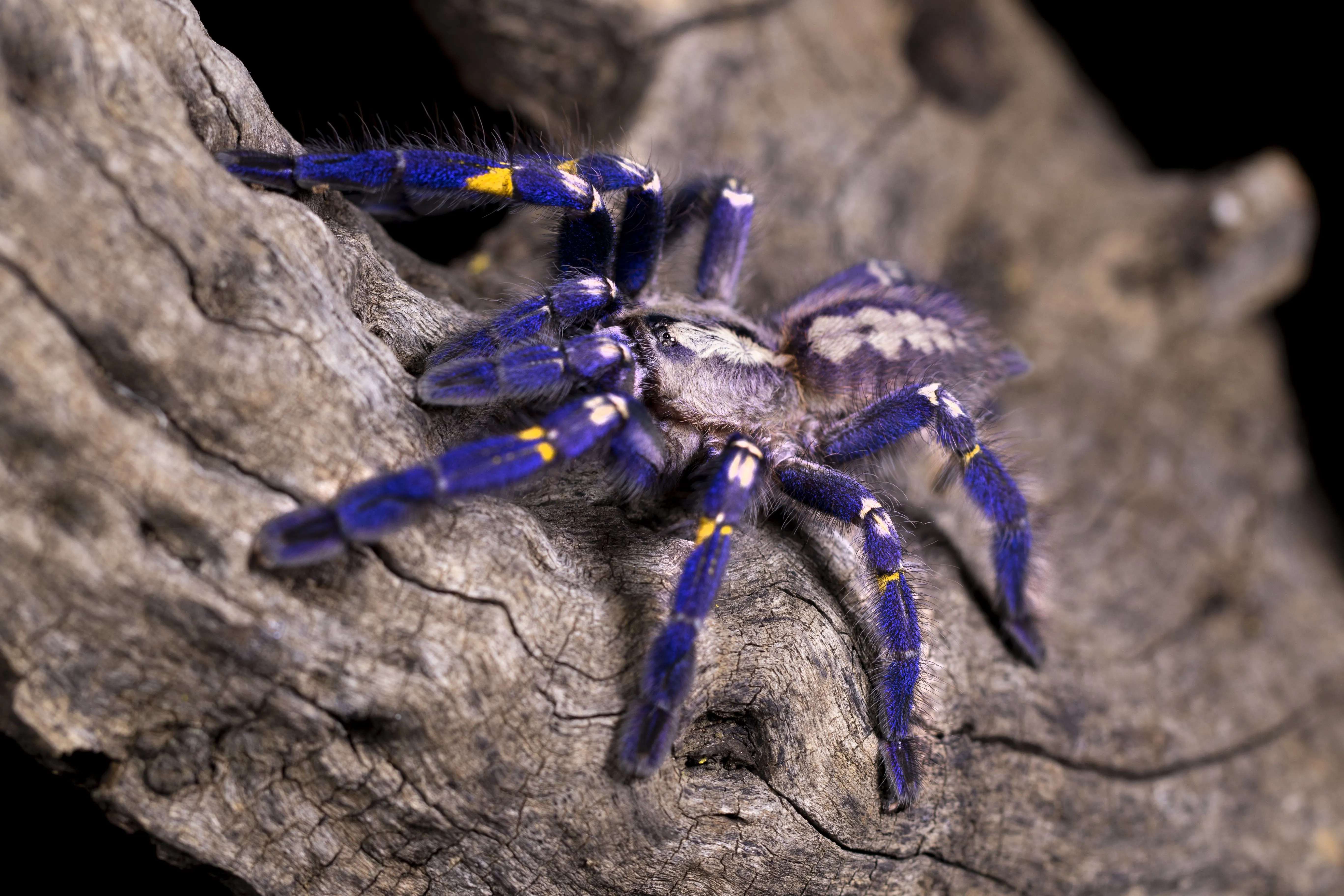
Tarantulas are known for their wide range of colors and patterns, ranging from the vibrant blues and oranges of some species to the more subdued browns and blacks of others. These colors can serve various purposes, including camouflage, warning coloration, and species recognition. Coloration is a characteristic influenced by genetics, environment, and even the spider’s diet. The intensity and specific hues can vary between individuals of the same species. Some tarantulas exhibit iridescence or metallic sheens, adding to their visual appeal. The colors of a tarantula can change slightly during molting. These changes often reveal the new colors of the tarantula. Many enthusiasts are drawn to specific tarantula species based on their striking colors.
Choosing the Right Tarantula Species

Selecting the right tarantula species requires careful consideration of several factors, including your experience level, the availability of the species, and the time commitment required for proper care. Beginner-friendly species are often recommended. Species such as the Chilean rose hair (Grammostola rosea) and the curly hair tarantula (Tliltocatl albopilosus) are known for their docile temperaments. Research is essential. Learn about the species’ temperament, its size, and its specific care requirements. Consider the enclosure size, the appropriate substrate, the humidity levels, and the temperature requirements. The availability of the species is important. Some species are more common and easier to find than others. Consider the cost and the source of the tarantula. Reputable breeders and pet stores can provide healthy specimens and valuable advice.
Considerations for Beginners
Beginners should prioritize species with known docile temperaments. Handling should be minimized, even with ‘friendly’ species. Focus on creating a suitable environment and providing the right care. It is also important to understand the tarantula’s natural behavior and avoid actions that might stress the animal. Beginners should start with a terrestrial species, as they are easier to accommodate. They typically require less specialized care compared to arboreal or fossorial species. Read extensively. Numerous online resources, books, and forums provide information about tarantula care. Starting with a juvenile tarantula can be beneficial. Juveniles are often more adaptable to their environment, and watching them grow can be rewarding. Always be patient. Research before you buy. Set up the enclosure before you bring the tarantula home, and ensure that you have everything you need. Avoid impulse purchases and do not handle without proper knowledge of the tarantula.
Researching Specific Species
Conducting thorough research is crucial for the well-being of your tarantula. Understanding the specific needs of the species will allow you to create an appropriate environment. Search online forums, books, and reputable websites. Look for information about the tarantula’s natural habitat, its feeding habits, and its behavior. This information will help you to replicate its natural environment. Learn about the species’ temperament, including its likelihood of defensive behavior. Find out about the species’ specific care requirements, including the ideal temperature, humidity, and substrate. Consider the size of the tarantula. Ensure that the enclosure is big enough. The availability of the species is also an important factor to consider. Research the source. Choose reputable breeders or pet stores to ensure the tarantula is healthy. Reviewing the species’ lifespan is key. Be prepared for the long-term commitment that tarantula ownership entails. Keep records of your research, and refer to it as you learn and care for your tarantula.
Creating a Safe and Comfortable Environment

Creating the appropriate environment is fundamental to the well-being of your tarantula. The enclosure must provide the correct temperature and humidity levels. This is often achieved through the use of a heat source and a hygrometer to monitor the humidity. The substrate should be chosen to match the species’ natural habitat. Provide a hideaway. This allows the tarantula to feel safe and retreat when needed. The enclosure should be well-ventilated to prevent the growth of mold. Ensure that the enclosure is free from hazards. Avoid sharp objects or anything that could harm the tarantula. Regular cleaning is important. Remove uneaten food and replace water regularly. Maintain the cleanliness of the enclosure. Provide plenty of space, and ensure that the enclosure is large enough for the tarantula to move around comfortably. The enclosure should also be secure, and there should be no escape routes. Finally, create a stable environment. Avoid placing the enclosure in direct sunlight or areas with extreme temperature fluctuations.
Essential Equipment for Tarantula Care
Setting up the right equipment is crucial for successful tarantula ownership. You’ll need an enclosure. Choose an appropriately sized terrarium or enclosure based on the tarantula species and its adult size. A reliable thermometer and hygrometer are essential for monitoring temperature and humidity levels. These instruments will allow you to make necessary adjustments to maintain the ideal environment. A heat source may be required, particularly in cooler climates. This could be a heat mat, a heat lamp, or a ceramic heat emitter. The substrate is crucial. The substrate should be appropriate for the species, allowing burrowing or providing a suitable surface. A water dish is necessary for providing a constant supply of fresh water. Shallow water dishes are ideal. Feeding tongs or tweezers are helpful for feeding your tarantula. They allow you to place food safely and avoid being bitten. Consider a hideaway. This provides security and allows the tarantula to feel safe. A spray bottle is useful for misting the enclosure. Consider safety equipment. When handling or working in the enclosure, use gloves and avoid touching the tarantula directly.
Proper Substrate and Temperature
The substrate and temperature of your tarantula’s enclosure play a crucial role in its overall health. The substrate should mimic the tarantula’s natural environment. Common options include coconut fiber, peat moss, and a mixture of soil. The depth of the substrate should be appropriate for the species, allowing burrowing or providing a suitable surface. The temperature is also important. A temperature gradient, with a warmer side and a cooler side, allows the tarantula to regulate its body temperature. Use a thermometer to monitor the temperature. Humidity levels should be monitored. The ideal humidity level varies depending on the species. Provide adequate ventilation to prevent mold and mildew. The substrate should be replaced regularly to maintain a healthy environment. Remove waste and uneaten food to keep the enclosure clean. Proper substrate and temperature will greatly impact the tarantula’s molting process and its overall well-being.
Conclusion

Owning a tarantula can be a fascinating and rewarding experience. Choosing the right species and providing the proper care are essential. By understanding their needs, you can create a suitable environment that allows them to thrive. Remember that these creatures are not pets that crave affection but rather fascinating animals that require careful attention to their specific needs. Understanding their temperament, providing the correct enclosure, and maintaining the proper environmental conditions are key to responsible tarantula ownership. Prioritize research, and always put the well-being of your tarantula first. Enjoy the rewarding experience of observing these amazing arachnids!