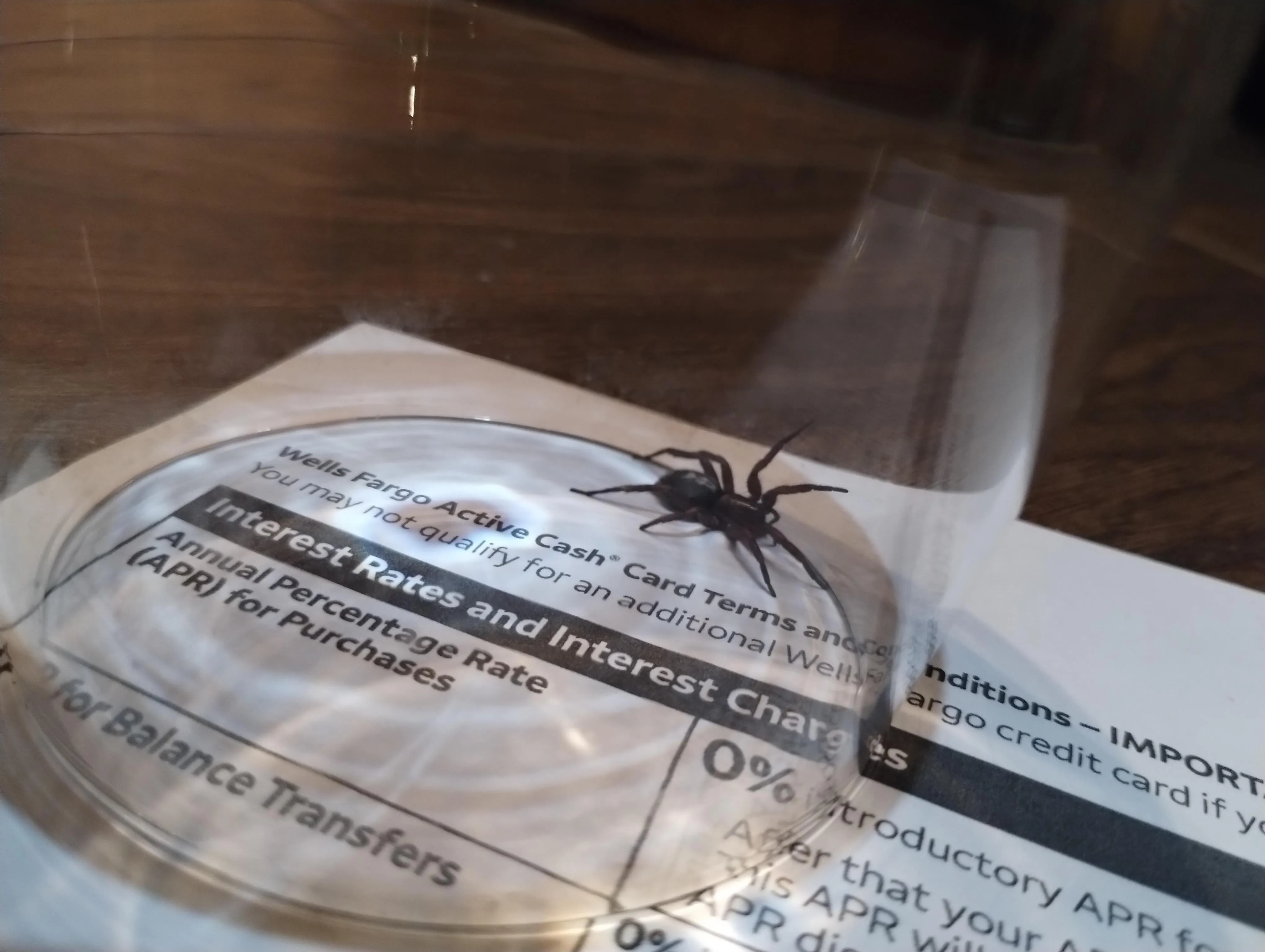
What is a Tarantula Sling?
A tarantula sling is a juvenile tarantula, typically in its first few molts. This is the spider’s infancy and early development phase, and the term ‘sling’ refers to their small size and vulnerability. Caring for tarantula slings requires specific knowledge and attention to detail, as their needs differ significantly from those of adult tarantulas. Understanding the basics of their size, care, and growth is crucial for any aspiring tarantula keeper. These tiny arachnids are incredibly delicate at this stage, making the sling size a critical factor in their survival and healthy development. Proper care during this phase establishes the foundation for a long and thriving life.
Factors Influencing Tarantula Sling Size
Several factors contribute to the size and growth rate of a tarantula sling. It’s important to understand these influences to provide the best possible care. Genetics, feeding, environmental conditions, and enclosure setup all play significant roles in determining how quickly and how large your tarantula sling will grow. Monitoring and managing these factors is essential for ensuring the healthy development of your spider. Each tarantula species has its own growth characteristics and requirements, so research is crucial before acquiring a sling. By carefully controlling these elements, you can help your tarantula sling reach its full potential.
Genetics & Species

The genetic makeup of a tarantula heavily influences its eventual size. Different species exhibit vastly different growth rates and adult sizes. For instance, some species grow much larger and faster than others. Before acquiring a sling, research the specific species to understand its expected size, growth rate, and lifespan. The size potential is genetically predetermined. Hybridization can occur in some species, this can also lead to size variations. The species will have its own individual growth patterns. Knowing the species specifics is the first step in determining size expectations.
Feeding Schedule
Feeding is a critical factor in tarantula sling size and growth. The amount and frequency of feeding directly impact the sling’s ability to grow and molt. Young slings require more frequent feeding, typically 2-3 times a week, with appropriately sized prey. Overfeeding can be just as detrimental as underfeeding. Excessively large meals or too many meals can lead to health problems. The type of food also matters. Crickets, flightless fruit flies, and small roaches are common and suitable choices for slings. Adjust the feeding schedule based on the sling’s growth and appetite. A well-fed sling will grow faster and molt more frequently.
Temperature & Humidity
Temperature and humidity levels play a significant role in a tarantula sling’s growth and well-being. These environmental factors influence the metabolism and molting process. Maintaining the correct temperature range is crucial for healthy growth, as temperatures that are too low can slow metabolism and hinder growth. High humidity levels help the sling shed its exoskeleton properly. Research the specific requirements of the tarantula species to determine the ideal temperature and humidity range. Using a reliable thermometer and hygrometer is essential for monitoring these parameters. Consistent monitoring and adjustments will optimize the sling’s growth rate and overall health.
Enclosure Size & Setup

The enclosure size and setup directly impact a tarantula sling’s development. While slings don’t need large enclosures, providing one that is appropriately sized is crucial. A too-large enclosure can make it difficult for the sling to find food and feel secure, increasing stress. The substrate should be appropriate for the species, typically a mix of coco fiber, peat moss, or vermiculite, to retain moisture and provide a suitable environment. The enclosure setup should include a water dish for hydration and a hide for security. As the sling grows, the enclosure size should be gradually increased to accommodate its larger size. A well-designed enclosure setup supports the sling’s overall health and promotes optimal growth.
Growth Stages & Molting
Tarantulas grow by molting, shedding their exoskeleton to accommodate their growth. The frequency of molting decreases as the tarantula ages. The size of the tarantula at each molt is a crucial indicator of its overall health and development. Understanding the molting process and how it relates to the tarantula’s size is essential for providing proper care. Providing appropriate care and attention during this time will greatly impact the success of the molt. Proper care ensures the tarantula successfully emerges from its old exoskeleton and continues to grow. Regular observations and careful monitoring during the molting process will help ensure the health of the sling.
Understanding Molting
Molting is a natural process where a tarantula sheds its exoskeleton to grow. The sling creates a new, larger exoskeleton beneath the old one and then sheds the old one. This process allows the tarantula to expand its size. During molting, the tarantula is very vulnerable. Factors such as humidity and temperature become essential for successful molting. After molting, the tarantula is also vulnerable, as its new exoskeleton is soft. Recognizing the molting stages and providing appropriate care is crucial for a healthy tarantula.
Recognizing Pre-Molting Signs

Before molting, tarantula slings exhibit several signs that indicate the process is imminent. One common sign is a loss of appetite. The tarantula may refuse to eat for days or even weeks leading up to the molt. Another sign is the darkening of the abdomen, which is the formation of a new exoskeleton underneath the old one. The sling might become lethargic and spend more time hiding. They also might create a web mat and lay on their backs. Providing a humid environment and avoiding disturbance during this time will help the sling successfully molt. Recognizing these signs enables keepers to provide the best support possible.
Post-Molting Care
After molting, the tarantula’s new exoskeleton is soft and vulnerable. Avoid handling the tarantula until the exoskeleton hardens, which may take several days. Provide plenty of water and reintroduce food. Start with small, easily manageable prey items to give the tarantula time to acclimate. The tarantula’s fangs will also be soft. It is important to make sure the tarantula has adequate hydration. Post-molt care promotes the tarantula’s recovery. This care helps the tarantula get back to its normal activities. Once the tarantula has hardened, you can return to your regular feeding schedule.
Monitoring & Measurement Techniques
Regular monitoring and measurement are essential for tracking a tarantula sling’s growth and identifying any potential issues. Keeping a record of molting dates, size measurements, and feeding habits helps track the sling’s progress and make necessary adjustments to its care. Using the correct measurement techniques and tools is key to obtaining accurate data. Comparing the sling’s growth rate with the expected rate for its species can alert you to any problems. Proper monitoring and measurement provide valuable insights into the overall health of the sling and help ensure its long-term well-being. Accurate measurement enables the keeper to make informed decisions about care.
Tools for Accurate Measurement

Accurate measurement requires specific tools. A digital caliper is the most precise tool for measuring the body length of a tarantula. Place the tarantula gently on a flat surface and use the caliper to measure from the front of the chelicerae to the back of the abdomen. A ruler can also be used, but the caliper offers greater accuracy. Another essential tool is a record-keeping journal. You can track the sling’s measurements, molting dates, and feeding schedule. Use a magnifying glass to help observe the sling during molts. These tools provide the keeper with the necessary instruments to collect valuable size data.
Regular Size Checks
Regular size checks are crucial for monitoring a tarantula sling’s growth. Measure the tarantula’s body length after each molt to track its progress. Keeping a record of these measurements helps identify any deviations from the expected growth rate. Documenting the measurements allows you to see if the sling is growing too slowly or rapidly. These checks help keepers to identify potential problems early on. Regular size checks are a key component of effective tarantula husbandry.
Troubleshooting Size Issues
Sometimes, tarantula slings may experience growth issues. Identifying and addressing these problems promptly is crucial for the sling’s health. Slow growth or stunted growth can result from a variety of factors. These factors can include underfeeding, improper temperature or humidity, or other underlying health problems. By understanding the common issues and addressing them appropriately, you can help your tarantula thrive. Prompt action to correct problems is vital for the sling’s long-term health. Addressing these issues early gives the tarantula the best chance for a healthy life.
Slow Growth

Slow growth can be caused by a number of factors, including inadequate feeding. Adjusting the feeding schedule, by increasing the frequency and or the size of the prey can help stimulate growth. Ensuring that the temperature and humidity levels are within the optimal range for the species is essential. Regularly monitoring and making sure the sling is eating is important. Slow growth can also indicate an underlying health issue or, potentially, an infestation. If slow growth persists, consult with an experienced tarantula keeper or veterinarian. Quick action may be necessary to address the issue.
Underfeeding
Underfeeding is a common cause of slow growth and can lead to other health problems. Make sure the sling is eating regularly and that prey items are appropriately sized. Observe the sling’s feeding behavior to ensure it is successfully capturing and consuming its meals. Adjust the feeding frequency based on the sling’s appetite and growth rate. Offering a variety of prey items can help ensure the sling receives a balanced diet. Underfeeding not only slows down growth but can also weaken the tarantula. Feeding is a fundamental factor of the sling’s health.
Conclusion
Understanding tarantula sling size and the factors that influence it is critical for responsible tarantula keeping. By focusing on the key aspects of care, including genetics, feeding, environment, and enclosure setup, you can provide an environment where your tarantula will thrive. Regular monitoring and measurement are essential for detecting potential issues and making any needed adjustments to the care routine. With proper attention and care, you can ensure the health and well-being of your tarantula sling, setting it up for a long and fulfilling life. By gaining knowledge and dedication you will greatly help your sling.