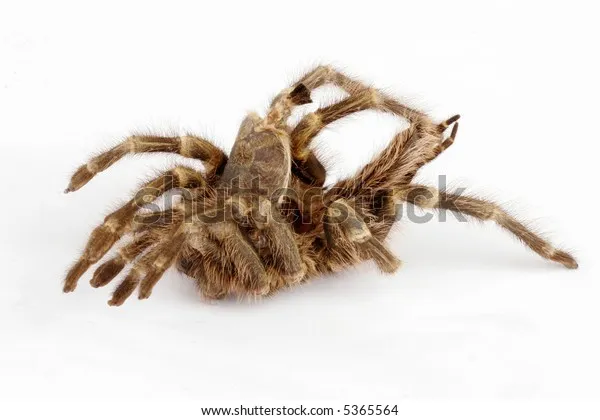
What is Tarantula Shedding?
Tarantula shedding, also known as molting, is a natural and vital process for these fascinating arachnids. It’s how tarantulas grow, repair injuries, and refresh themselves. Unlike humans who grow internally, tarantulas have an exoskeleton, a rigid outer shell that doesn’t expand. As a tarantula grows, it must shed this old exoskeleton and replace it with a new, larger one. This process is crucial for their development and overall health. Understanding tarantula shedding is key to properly caring for these amazing creatures and ensuring their well-being.
The Exoskeleton and Molting Process
The exoskeleton is essentially the tarantula’s external skeleton, providing protection and support. It’s made of chitin, a tough, protective substance. The molting process is a complex undertaking. It begins with the tarantula forming a new, soft exoskeleton beneath the old one. The tarantula then absorbs fluids, causing the old exoskeleton to split open, typically along the carapace (the top part of the body). The tarantula then slowly extracts itself from the old shell, leaving behind what appears to be a complete, albeit empty, version of itself. This entire process can take anywhere from a few hours to several days, depending on the tarantula’s size and age.
Why Do Tarantulas Shed Their Exoskeletons?

Tarantulas shed their exoskeletons for several critical reasons. The primary reason is growth. As a tarantula grows, its current exoskeleton becomes too small and restrictive. Molting allows the tarantula to expand and develop. It also repairs damage. During their lives, tarantulas might lose limbs or experience other injuries. Molting allows them to regenerate these lost parts. The new exoskeleton is an opportunity for the tarantula to heal and start anew. Finally, molting removes parasites and accumulated waste, essentially giving the tarantula a fresh start and promoting overall health and hygiene.
The 5 Incredible Facts About Tarantula Shedding
Here are five fascinating facts about the fascinating process of tarantula shedding that highlights the marvels of nature and the unique lives of these arachnids.
Fact 1 Tarantulas Grow a New Skin
Before shedding, a tarantula creates a brand-new, soft exoskeleton underneath its old one. This new exoskeleton is essentially the tarantula’s new skin, containing all the necessary features and markings. This process involves the tarantula secreting a special fluid between the old and new exoskeletons, which helps to detach the old one. Once the separation is complete, the tarantula becomes vulnerable, as it has no hard shell for protection.
Fact 2 Molting Triggers

Several factors can trigger molting in tarantulas. The most significant trigger is growth. Young tarantulas molt more frequently than adults because they are growing rapidly. Nutritional intake also plays a role. A healthy diet that provides the necessary nutrients is essential for successful molting. Environmental conditions, like humidity and temperature, are also important. Providing a stable and appropriate environment can assist in making the molting process easier on your pet.
Fact 3 The Duration of the Shedding Process
The duration of the shedding process varies depending on the tarantula’s age, size, and species. Young tarantulas may molt within an hour. However, larger, adult tarantulas can take several hours or even days to complete the process. The process starts with the tarantula preparing, and then the actual shedding, and concludes when the tarantula is fully free of the old exoskeleton and its new, softer skin is allowed to harden. During this time, the tarantula is extremely vulnerable to predators and environmental hazards.
Fact 4 Post-Shedding Care
After shedding, it’s essential to provide the tarantula with special care. They need time to harden their new exoskeleton. Avoid handling the tarantula immediately after molting, as their fangs and body are soft and easily damaged. Provide fresh water, as they will be very thirsty. After a week or so, offer them a meal. The tarantula may not want to eat immediately, but they should begin eating after a few days. Keep the humidity and temperature in the enclosure stable to facilitate the hardening of the new exoskeleton. Make sure that your pet has a proper environment, they will grow up properly.
Fact 5 Benefits of Shedding

Shedding offers several benefits beyond growth and repair. The process removes parasites, such as mites, that may have attached themselves to the old exoskeleton. It also rejuvenates the tarantula’s sensory organs. The tiny hairs on their bodies, called setae, which they use to sense their surroundings, are refreshed. This improves the tarantula’s ability to detect vibrations and other stimuli. Molting also helps in improving the tarantula’s overall health, making it more active, healthier, and ready for future growth and breeding (if applicable).
How to Care for Your Tarantula During Molting
Providing proper care during molting is crucial for your tarantula’s health and well-being. This includes creating an optimal environment, monitoring their behavior, and avoiding any unnecessary disturbances. The more you know about the shedding process, the better you can help your tarantula safely and successfully molt.
Creating the Right Environment
Maintain the correct temperature and humidity levels for your tarantula’s species. Ensure the enclosure has a suitable substrate for burrowing, which can help the tarantula to molt comfortably. Provide a hide or shelter where the tarantula can feel safe and secure during this vulnerable time. Avoid unnecessary disturbances like loud noises or vibrations, as these can stress the tarantula and interfere with the molting process. It’s best to leave your pet alone, so they can get through this process on their own.
Feeding and Hydration
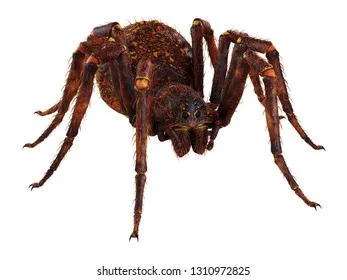
Do not feed your tarantula during the pre-molt phase, as they typically lose their appetite. Provide a shallow dish of fresh, clean water at all times to ensure they stay hydrated. After shedding, wait a week or so before offering food, giving their fangs and exoskeleton time to harden. Start with smaller prey items, as they may be hesitant to eat a full-sized meal immediately. Monitor your tarantula’s behavior and adjust their feeding schedule as needed.
What to Expect During and After Shedding
Before molting, your tarantula may exhibit a loss of appetite, become less active, and start to create a web mat or burrow more frequently. During molting, they may lie on their back or side. Do not disturb them. After shedding, the tarantula will be vulnerable and its new exoskeleton will be soft. Allow a few days for the exoskeleton to harden before handling. Dispose of the old exoskeleton properly. Observe the tarantula’s behavior and ensure they are eating and drinking properly. Monitor the temperature, the environment and the level of humidity. If there is anything wrong, consult with a veterinarian immediately.