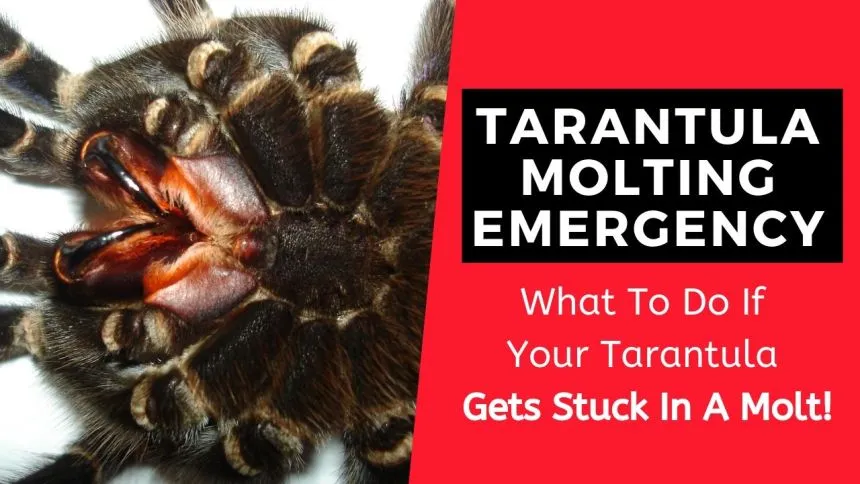
What is Molting in Tarantulas
Molting is a fundamental biological process for tarantulas, crucial for their growth and survival. This process involves shedding their exoskeleton, also known as the cuticle, to allow for growth and the replacement of damaged or worn-out body parts. Unlike mammals, tarantulas do not grow continuously. Their hard exoskeleton restricts growth, so molting is the only way for them to increase in size. During a molt, the tarantula creates a new, larger exoskeleton beneath the old one, then sheds the old one entirely. The frequency of molting decreases as tarantulas age, with juveniles molting several times a year and adults molting much less frequently, sometimes only once a year or even less. Understanding the molting process is essential for any tarantula keeper to provide proper care and ensure the health and well-being of their pet.
The Molting Process Explained
The molting process is a complex series of events. It begins with the formation of a new, soft exoskeleton beneath the old one. This new exoskeleton is initially very flexible and allows the tarantula to expand as it grows. The tarantula will then detach its old exoskeleton from its body. This is achieved through a process of secreting enzymes that dissolve the connections between the old and new exoskeletons. The tarantula then absorbs fluids, causing its body to swell and split the old exoskeleton open, usually along the carapace (the top shell) and the abdomen. The tarantula then slowly extracts itself from the old exoskeleton, a process that can take anywhere from a few minutes to several hours, depending on the size and age of the tarantula. After shedding its old exoskeleton, the tarantula is incredibly vulnerable, with its new exoskeleton being soft and pliable, and its fangs as well. The tarantula will then need time to harden and dry before it can resume normal activities.
Pre-Molt Behavior

Before molting, tarantulas often exhibit specific behavioral changes that signal an impending molt. One of the most common behaviors is a decrease or complete loss of appetite. The tarantula may refuse food for several weeks or even months leading up to the molt. They may also become less active and spend more time hiding in their burrows or under their hides. Another sign is the darkening of the abdomen. As the new exoskeleton forms, the old exoskeleton can appear darker and duller, making the abdomen look almost black or grey. Some tarantulas may also start constructing a web mat or sealing off their burrows in preparation for the molt. These behaviors are all natural and should not be cause for alarm, as long as the tarantula is otherwise healthy and in a suitable environment.
Signs of an Impending Molt
Several visual cues indicate that a tarantula is about to molt. The most obvious sign is the darkening of the abdomen, as mentioned previously. This darkening is due to the formation of the new exoskeleton beneath the old one. The tarantula’s abdomen may appear stretched or swollen, and the exoskeleton may seem tight. Another sign is a change in the tarantula’s overall appearance. The exoskeleton might look duller and less vibrant than usual. The tarantula might also appear sluggish and slow-moving, preferring to stay in one place. You might also notice a bald spot on the abdomen, a sign of the old urticating hairs being dislodged. Keep an eye on these changes, and prepare to provide a safe and stress-free environment for your tarantula during the molting process.
Post-Molt Behavior Unveiled
After molting, tarantulas exhibit distinct behaviors reflecting their vulnerability and renewed state. The new exoskeleton is initially soft, making them extremely delicate. They often remain hidden and sedentary, avoiding potential threats while their new shell hardens. During this period, tarantulas are particularly sensitive to stress and handling should be avoided. The tarantula might also consume its old exoskeleton, which is rich in nutrients. They might appear more vibrant in color and significantly larger, as they have expanded to their new size. Keep in mind the importance of providing a stable and undisturbed environment to facilitate a safe and successful recovery.
Caring for a Tarantula After Molt

Caring for a tarantula after molting requires patience and a few specific adjustments to their enclosure and feeding schedule. The most crucial aspect is to avoid handling the tarantula until its exoskeleton has fully hardened. This can take several days to a week or more, depending on the tarantula’s size and the environmental conditions. Provide a calm and undisturbed environment. Keep the enclosure at a stable temperature and humidity level, and avoid any unnecessary disturbances or vibrations. Also, ensure that fresh water is available at all times. After the exoskeleton has hardened, you can gradually resume normal care practices, including feeding, but introduce food cautiously.
Feeding Considerations
After a molt, tarantulas are usually very hungry. However, it’s crucial to wait a few days for their fangs and exoskeleton to harden before offering food. Start with smaller prey items, such as small crickets or mealworms, to avoid any potential injuries. Monitor the tarantula’s feeding response, and gradually increase the size of the prey as the tarantula recovers. Overfeeding should be avoided as it can cause stress and digestive issues. Remember to remove any uneaten food within 24 hours to prevent the growth of mold and bacteria. Observe the tarantula’s feeding habits, and adjust the feeding schedule based on its size and the rate of growth. This feeding plan supports recovery and overall health.
Enclosure Adjustments
After a molt, it is a good time to assess the enclosure for any necessary adjustments. The tarantula will be larger than before, so you may need to provide more space. Check the substrate and make sure it is clean and in good condition. Ensure that the water dish is accessible and filled with fresh water. Avoid placing any heavy decorations or items that could potentially fall and injure the tarantula while its exoskeleton is soft. It is also essential to maintain a stable temperature and humidity level in the enclosure to help the tarantula recover. Provide ample hiding places, such as cork bark or artificial plants, to allow the tarantula to feel secure and reduce stress.
Handling Restrictions

Handling a tarantula after molting should be strictly avoided until its exoskeleton is fully hardened. This is because the new exoskeleton is soft and vulnerable. Handling a tarantula during this period can cause serious injuries, such as damage to the fangs or legs. Even a gentle touch can be harmful. Always wait at least a week, and sometimes longer, before attempting to handle your tarantula after a molt. Observe the tarantula’s behavior and appearance. Its new exoskeleton should be hard and resilient before you consider handling it. If you are unsure, it is always best to err on the side of caution and wait a bit longer.
Common Molting Issues And Solutions
While molting is a natural process, tarantulas can sometimes encounter issues that can be cause for concern. Stuck molts and limb loss are some of the problems that can arise, and knowing what to do will help you. Some of the common issues during molting may require intervention to ensure the tarantula’s survival and well-being. Recognizing the signs of these issues and knowing how to respond is essential for responsible tarantula care. In most cases, providing the right environment and avoiding unnecessary stress can prevent most of these problems.
Stuck Molt
A stuck molt occurs when a tarantula has difficulty shedding its old exoskeleton. This can be caused by a variety of factors, including low humidity, inadequate moisture in the enclosure, or illness. Signs of a stuck molt include the tarantula appearing partially trapped in its old exoskeleton, struggling to free itself, or having wrinkled or deformed body parts. If you suspect a stuck molt, you should carefully increase the humidity in the enclosure by misting the enclosure with water or providing a shallow water dish. Avoid any forceful attempts to remove the old exoskeleton, as this can cause serious injury. If the tarantula cannot free itself, it is best to consult with a veterinarian or an experienced tarantula keeper.
Limb Loss During Molt

Limb loss during a molt can occur if the tarantula is unable to extract a leg from the old exoskeleton. This can happen due to a stuck molt, injuries, or other factors. While limb loss can be alarming, tarantulas can regenerate lost limbs over several molts. The regenerated limbs may initially be smaller or paler than the other legs, but they will gradually grow back to their normal size. If your tarantula loses a limb during a molt, provide a stress-free environment and ensure that it has access to food and water. Do not attempt to interfere with the molting process. The tarantula will usually be able to recover and regenerate the lost limb over time, provided that it continues to molt successfully.
Preventative Measures
Preventing molting problems is crucial for the well-being of your tarantula. You should maintain optimal humidity levels in the enclosure, ensuring that the substrate is slightly moist but not waterlogged. Provide a shallow water dish filled with fresh water at all times. Ensure that the enclosure is kept clean and free of debris. Maintain a stable temperature and avoid sudden fluctuations. Provide ample hiding places for the tarantula to reduce stress. Feed your tarantula a healthy and balanced diet. By taking these preventative measures, you can significantly reduce the risk of molting problems and help your tarantula molt safely and successfully.
Frequently Asked Questions About Tarantula Molting
Many tarantula keepers have questions about the molting process. Understanding these questions will help you care for your pet tarantula effectively. One common question is how often tarantulas molt. The frequency of molting depends on the tarantula’s age and species, with juveniles molting more frequently than adults. Another question is what to do if a tarantula gets stuck during a molt. As mentioned, you can try to increase humidity and provide a stable environment but do not attempt to pull the tarantula out. Many keepers also ask about the proper environment. Maintaining the correct temperature and humidity levels is essential. Furthermore, understanding the difference between pre-molt, during molt, and post-molt behavior will help you address issues and provide a better care. Consulting with experienced tarantula keepers will also provide valuable knowledge.
Caring for a tarantula involves understanding the molting process, from pre-molt behaviors to post-molt care and potential problems. By providing a suitable environment, avoiding handling during the soft-exoskeleton phase, and addressing any issues promptly, you can ensure that your tarantula thrives. Understanding these key aspects enables tarantula keepers to provide the best possible care for their arachnid companions.