What is the Tarantula Migration in New Mexico?
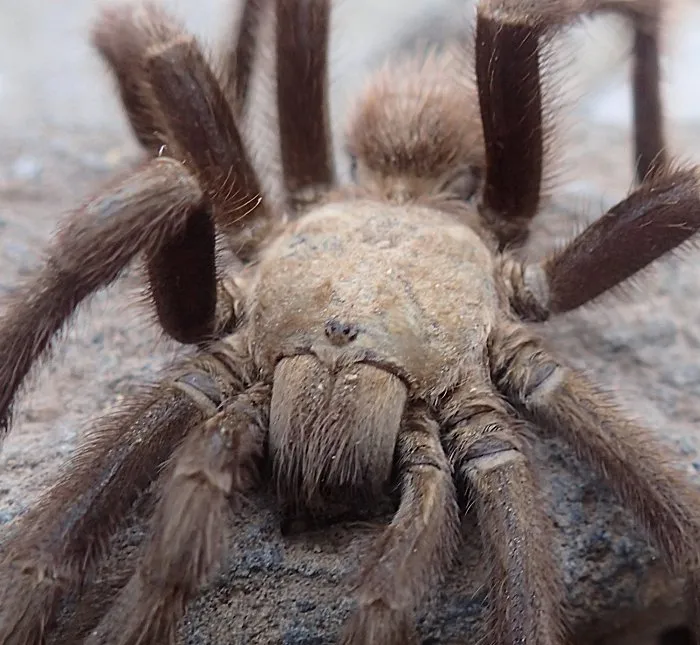
The tarantula migration in New Mexico is a fascinating natural phenomenon that occurs annually, typically during the late summer and early fall months. This event involves thousands of tarantulas, primarily the males, embarking on a journey to find a mate. This migration is not a leisurely stroll; it’s a determined trek across various terrains, from open grasslands to roadways, driven by the primal urge to reproduce. Observing this migration offers a unique opportunity to witness the raw beauty of nature and the intricate behaviors of these often-misunderstood creatures. It’s a spectacle that draws both nature enthusiasts and curious onlookers alike, eager to catch a glimpse of this remarkable event.
Understanding the Tarantula Species in New Mexico
The primary species involved in the New Mexico tarantula migration is typically the Texas tan tarantula (Aphonopelma hentzi), though other related species can also be observed. These spiders are large, hairy arachnids, known for their impressive size and relatively docile nature. They are a vital part of the local ecosystem, playing a significant role in controlling insect populations. It’s crucial to understand the specific species you might encounter to appreciate their unique characteristics and behaviors. They are not aggressive unless provoked, and their venom is generally not considered dangerous to humans, although their bite can be painful. This species is adapted to thrive in the arid and semi-arid environments of New Mexico, making their survival dependent on the health of their habitat.
Characteristics of New Mexico Tarantulas

New Mexico tarantulas are easily recognizable due to their size, typically with a leg span that can reach up to 5 inches or more. They have a brown or tan coloration, which helps them blend into their environment, providing camouflage from predators and prey alike. Their bodies are covered in fine hairs, which serve sensory and defensive purposes. These spiders are nocturnal hunters, feeding on insects and other small creatures. During the migration, it’s primarily the adult males that are seen, as they are actively searching for females. They have relatively long lifespans, with females living for up to 25 years, while males typically live for only a few years.
The Annual Tarantula Migration in NM
The annual tarantula migration in New Mexico is a highly anticipated event, drawing visitors from all over. The migration is triggered by a combination of environmental factors, including the changing seasons and the need for reproduction. It is a key part of the tarantulas’ life cycle, ensuring the continuation of their species. The sight of hundreds or even thousands of tarantulas crossing roads and traversing fields is truly spectacular. The timing of the migration can vary slightly each year, depending on the weather conditions, but it generally occurs between late August and October. Witnessing this migration provides a unique opportunity to observe the behaviors of these fascinating creatures in their natural habitat.
When and Where Does the Migration Happen?
The tarantula migration typically occurs during the late summer and early fall, with the peak activity usually in September and October. In New Mexico, the migration is most prominent in areas with suitable habitats, such as grasslands and open fields. Some of the most popular spots to witness the migration include the areas around the Rio Grande Valley and specific locations within the state’s national forests and parks. Roads can become particularly busy during the migration, as tarantulas often cross them in search of mates. It’s essential to check local reports and information to determine the best locations and times for viewing the migration.
Factors Influencing the Migration

Several factors influence the timing and intensity of the tarantula migration. The most significant trigger is the mating season, which is driven by hormonal changes within the tarantulas. Weather conditions also play a crucial role, with warm temperatures and the availability of food influencing the spiders’ activity levels. Habitat quality and the presence of potential mates also affect where the migration occurs. Changes in these environmental factors can cause the migration to vary from year to year, making each viewing experience unique. Understanding these factors can enhance your chances of observing the migration and appreciating the complexities of this natural phenomenon.
Top 5 Must-Know Facts About NM Tarantula Migration
Fact 1 The Breeding Season
The primary purpose of the tarantula migration is for breeding. Male tarantulas embark on this journey to find a receptive female, mate, and pass on their genes. This behavior is driven by instinct, ensuring the survival of the species. The males must find a female before they die, as their lifespan is significantly shorter than females. This breeding process is a crucial aspect of the tarantulas’ life cycle and contributes to the population dynamics within the ecosystem.
Fact 2 Male Tarantulas on the Move

During the migration, it’s predominantly the male tarantulas that are seen. They leave their burrows and actively search for females. This journey can be long and challenging, taking them across various terrains. The males often travel significant distances, increasing their chances of finding a mate. The males are easily identified, because they’re actively seeking females. Their motivation to find a mate is intense, and this behavior is a key characteristic of the migration.
Fact 3 Duration of the Migration
The duration of the tarantula migration can vary, typically lasting for several weeks. The timing and intensity of the migration depend on environmental factors, like weather patterns and habitat conditions. The migration often peaks during specific periods, with high numbers of tarantulas observed. Understanding the migration’s duration helps observers plan their visits and maximize their chances of witnessing this fascinating event. The migration can be a prolonged event, allowing ample opportunities to observe the tarantulas.
Fact 4 Common Locations
The tarantula migration is visible in various parts of New Mexico, especially in areas with grasslands and open habitats. Popular viewing locations include areas along the Rio Grande, national forests, and designated parks. Observing the migration is possible in various locales. Knowing the common locations helps in planning the best viewing spots. These locations offer the best opportunity to observe these magnificent creatures in their natural habitat. Be aware of local guidelines when visiting.
Fact 5 Safety Tips for Observers
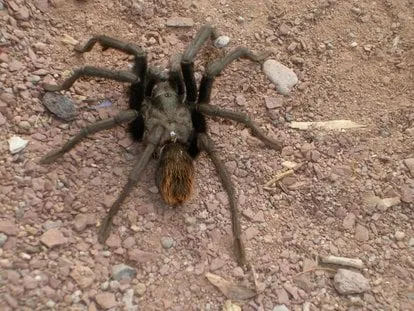
When observing the tarantula migration, it’s essential to prioritize safety. Keep a safe distance from the tarantulas and avoid handling them, as they can bite if threatened. Wear appropriate footwear and clothing, such as long pants and closed-toe shoes, to protect yourself from bites. Be mindful of your surroundings and be careful when walking or driving, as tarantulas may be crossing roads. It is important to respect the animals’ space and not disrupt their natural behavior. Report any unusual sightings or concerns to local authorities.
Tips for Observing the Tarantula Migration
Best Times and Locations for Viewing
To maximize your viewing experience, plan your visit during the peak migration period, typically from late August to October. Research the best locations in New Mexico where the migration is known to occur. Consider visiting areas like the Rio Grande Valley and other locales known for the annual event. Check local weather forecasts before you go and bring appropriate gear for being outdoors. Early mornings and late afternoons often offer the best viewing conditions, when tarantulas are most active.
Safety Precautions During Observation

Prioritize safety during your observation of the tarantula migration. Keep a safe distance from the tarantulas and avoid any direct contact, as these animals may bite. Wear long pants and sturdy shoes to protect yourself from potential bites. Be aware of your surroundings and watch for traffic when observing along roads. Respect the animals’ natural behavior, and avoid making any attempts to capture or handle them. If you’re hiking or walking in tarantula territory, always stay on marked trails, and be cautious. Pack basic first-aid supplies for any minor injuries.
The Ecological Importance of Tarantulas
Tarantulas Role in the Ecosystem
Tarantulas play a crucial role in the ecosystem, acting as both predators and prey. They help control insect populations, and they are also a food source for other animals, such as birds, reptiles, and mammals. Their presence contributes to the balance and health of the local environment. By preying on insects and small animals, tarantulas help regulate their populations, preventing imbalances. Their interactions within the food web contribute to the overall biodiversity. Protecting tarantulas is important for maintaining a healthy and balanced ecosystem.
Conservation Efforts and Threats to Tarantulas

While tarantulas are not currently considered endangered, they face threats from habitat loss, pesticide use, and human activities. Conservation efforts are essential to protect their populations and ensure their survival. These efforts include habitat preservation, sustainable land management practices, and educating the public about the importance of tarantulas. Awareness about the animals’ importance can help protect them from harm. By supporting conservation programs, we can contribute to protecting these fascinating creatures and their habitats.
In conclusion, the tarantula migration in New Mexico is a remarkable natural event, offering a glimpse into the lives of these fascinating creatures. Understanding the migration, respecting the animals, and appreciating their ecological importance are key to enjoying and preserving this phenomenon. By following safety guidelines and supporting conservation efforts, you can help ensure that future generations will continue to witness and appreciate the annual tarantula migration. Embrace the opportunity to witness the wonders of nature and the magic of the tarantula migration.