What are Tarantulas?
Tarantulas are large, hairy spiders belonging to the Theraphosidae family. These fascinating creatures are found in various habitats around the world, from tropical rainforests to deserts. Known for their impressive size and often intimidating appearance, tarantulas have captured the attention of both scientists and enthusiasts alike. They are generally nocturnal hunters, and their diet primarily consists of insects, but they can also consume small vertebrates like lizards and rodents. Despite their fearsome reputation, most tarantulas are relatively harmless to humans, with their bites being comparable to a bee sting. Their longevity and unique characteristics make them popular pets, sparking continuous study and admiration. These spiders are a marvel of the natural world, showcasing incredible adaptations for survival and providing valuable insights into the diversity of life on Earth. The study of tarantulas offers a window into the complex world of arachnids and their vital role in various ecosystems.
The Basic Anatomy of a Tarantula
Understanding the basic anatomy of a tarantula is crucial to appreciating its functionality. Like all arachnids, tarantulas have two main body sections, the cephalothorax (prosoma) and the abdomen (opisthosoma). The cephalothorax is where the legs, eyes, and mouthparts are attached, serving as the spider’s central control unit. The abdomen contains the digestive system, respiratory organs, and reproductive structures. The exoskeleton, made of chitin, provides both protection and support. This rigid external skeleton requires the spider to molt, shedding its old exoskeleton to grow. Examining the various parts of a tarantula, one can quickly see their adaptations for hunting and survival. Understanding each component of the tarantula’s anatomy allows us to comprehend its behavior and ecological role. These spiders have evolved through countless generations, resulting in specialized features that make them exceptionally well-suited to their environment. A closer inspection of their body plan offers insight into their survival and their impact on nature.
Examine the Eight Legs

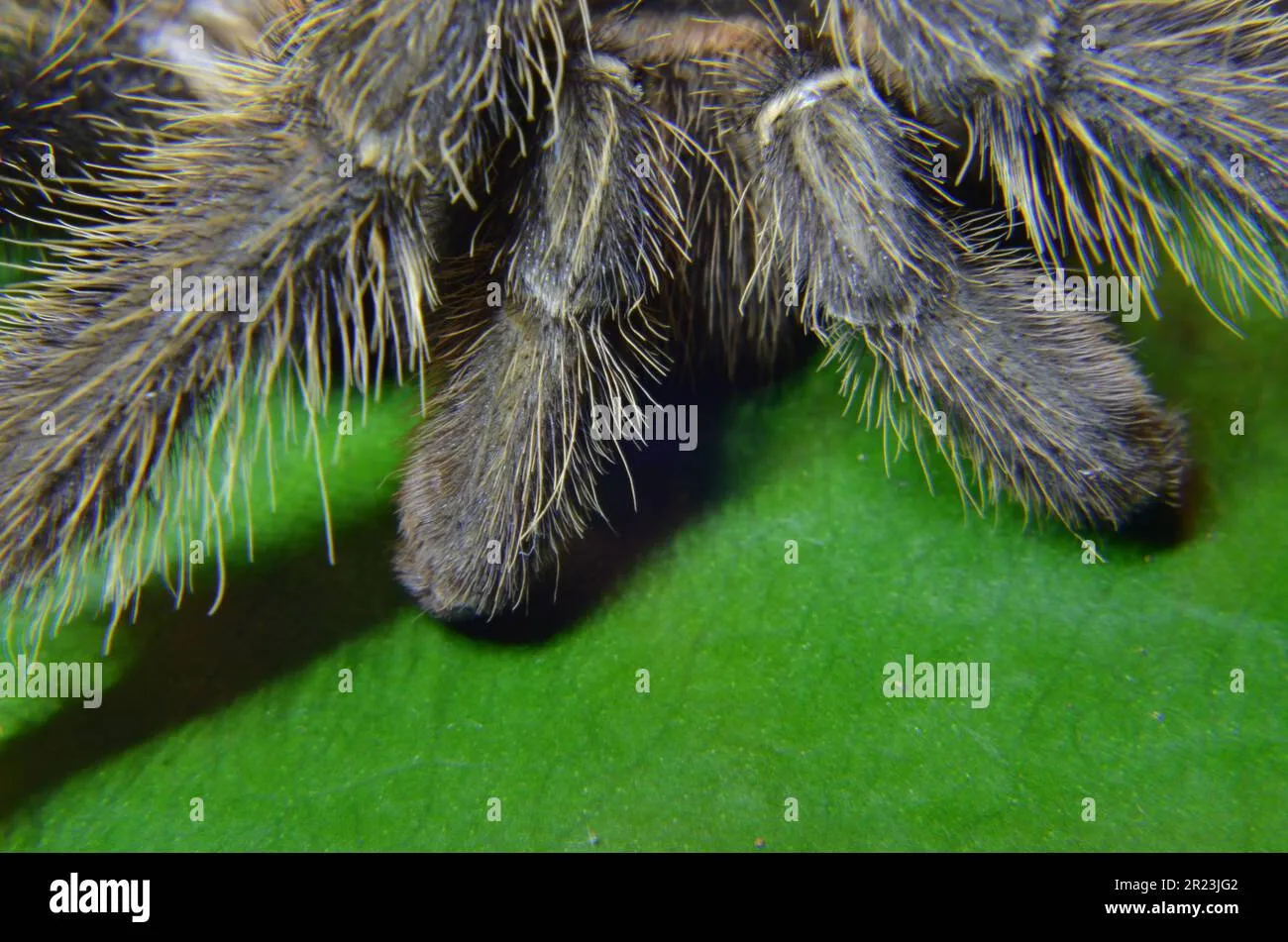
The most prominent feature of a tarantula is undoubtedly its eight legs, which are attached to the cephalothorax. Each leg is composed of multiple segments, including the coxa, trochanter, femur, patella, tibia, metatarsus, and tarsus. These segments work together to provide mobility, support, and sensory input. The legs are covered in sensory hairs (setae) that detect vibrations, air currents, and chemical signals. These hairs give the tarantula awareness of its surroundings. Tarantulas use their legs for various activities, including walking, climbing, hunting, and even defense. The structure and function of the legs are carefully adapted to the tarantula’s lifestyle and habitat. The diverse uses of the legs in a tarantula highlights the incredible evolutionary adaptations, contributing to the species’ survival across diverse ecosystems. Observing these legs closely reveals the complex interplay between structure and function in the animal kingdom.
Leg Structure and Function
Each segment of a tarantula’s leg has a specific function, contributing to the overall movement and sensory capabilities. The coxa and trochanter are responsible for attaching the leg to the body and providing a range of motion. The femur is the longest segment, providing leverage for movement. The patella acts as a hinge, allowing the leg to bend, while the tibia offers support and strength. The metatarsus and tarsus, equipped with claws, enable the tarantula to grip surfaces and climb. The legs are also covered in sensory hairs, setae, which play a key role in detecting prey, navigating the environment, and even sensing changes in air pressure. The structure of the legs are optimized for the tarantula’s needs, whether it’s chasing a meal, climbing a tree, or feeling the presence of potential predators. This intricate design and the functions of each segment enable tarantulas to thrive in various environments.
The Role of Legs in Locomotion
Tarantulas use their legs in a coordinated manner for walking and climbing. The legs move in alternating pairs, allowing for stability and efficient movement across different terrains. The claws on the tarsi grip surfaces, enabling the tarantula to climb smooth surfaces like glass. The unique structure of each leg, working in tandem with the others, creates a steady gait. Their legs allow them to traverse diverse environments, from the forest floor to rocky landscapes. The legs also contribute to the tarantula’s ability to navigate its surroundings quickly and precisely. A tarantula’s movement reflects an intricate, evolutionary refinement for mobility, crucial for both hunting and evasion. This complex interplay of anatomy and biomechanics makes tarantulas highly successful predators in their respective habitats.
How Tarantulas Use Legs for Hunting

Tarantula legs are critical tools for hunting prey. They use their legs to detect vibrations in the ground, alerting them to the presence of potential meals. As the prey comes into range, the tarantula uses its legs to quickly close the distance and capture it. The strong, spiny legs help grasp and hold onto the prey, preventing escape. The legs also contribute to the tarantula’s ability to inject venom into its prey. The sensory hairs on the legs help determine the size, movement, and even the taste of the food source, making them exceptional hunters. Their hunting strategies are fine-tuned through their specialized legs. This effective use of legs is a fundamental part of the tarantula’s predatory behavior.
Legs for Sensation and Touch
Besides locomotion and predation, tarantula legs have a crucial role in sensation and touch. They are covered in setae, which are highly sensitive hairs that detect vibrations, air currents, and chemical signals. These sensory receptors help the tarantula perceive its environment. The legs are used to touch and feel, aiding in navigation and in assessing the suitability of a location to reside or hunt. The legs also help tarantulas assess the environment around them, including detecting changes in air pressure and vibrations caused by potential predators. The sensory capabilities of tarantula legs enhance their survival in their environment. The sensory systems in the legs give tarantulas a comprehensive understanding of their surroundings.
Legs in Tarantula Molting
Molting is an essential part of a tarantula’s life cycle, where the exoskeleton is shed to allow for growth. During molting, tarantulas are vulnerable, and their legs play a role in this process. The tarantula usually lies on its back during molting, which is a very delicate process. The old exoskeleton splits, and the spider slowly emerges. The legs, like the rest of the body, are re-formed within the new exoskeleton. After molting, the tarantula’s new legs are softer and more flexible, and will harden over the coming days. The process demonstrates the flexibility and resilience of these arachnids. The molting cycle demonstrates the complex biological processes that allow tarantulas to thrive. It’s a vulnerable time, during which the tarantula must rely on instinct and its environment.
Leg Regeneration

Tarantulas have the remarkable ability to regenerate lost limbs. If a leg is injured or lost, a new one can grow in its place over several molts. The regeneration process is not immediate, and the new leg may be smaller or slightly different in appearance initially. The process starts with the formation of a new leg bud. The spider’s body then allocates resources to the process until the new leg is fully developed. This ability to regenerate legs is essential for survival, allowing tarantulas to continue hunting and moving effectively even after injury. The capacity for leg regeneration highlights the adaptive nature of these creatures. This regenerative capacity gives them a survival advantage, allowing them to recover from injury and continue to thrive in their environment.
Tarantula Leg Health and Care
Maintaining healthy legs is vital for a tarantula’s overall well-being, especially for pet owners. Proper care includes providing a suitable environment with appropriate substrate and humidity. Prevention is key; protecting the tarantula from injury is paramount. Avoid any potential hazards such as falls, rough handling, or sharp objects. If a leg injury occurs, it’s crucial to consult with a veterinarian or experienced tarantula keeper. Regular observation of your tarantula, and monitoring its legs, will help you understand its needs and behaviors. By understanding the needs of the tarantula, owners can create the ideal environment for a long and healthy life. The health of the legs directly impacts a tarantula’s ability to hunt, move, and interact with its surroundings.