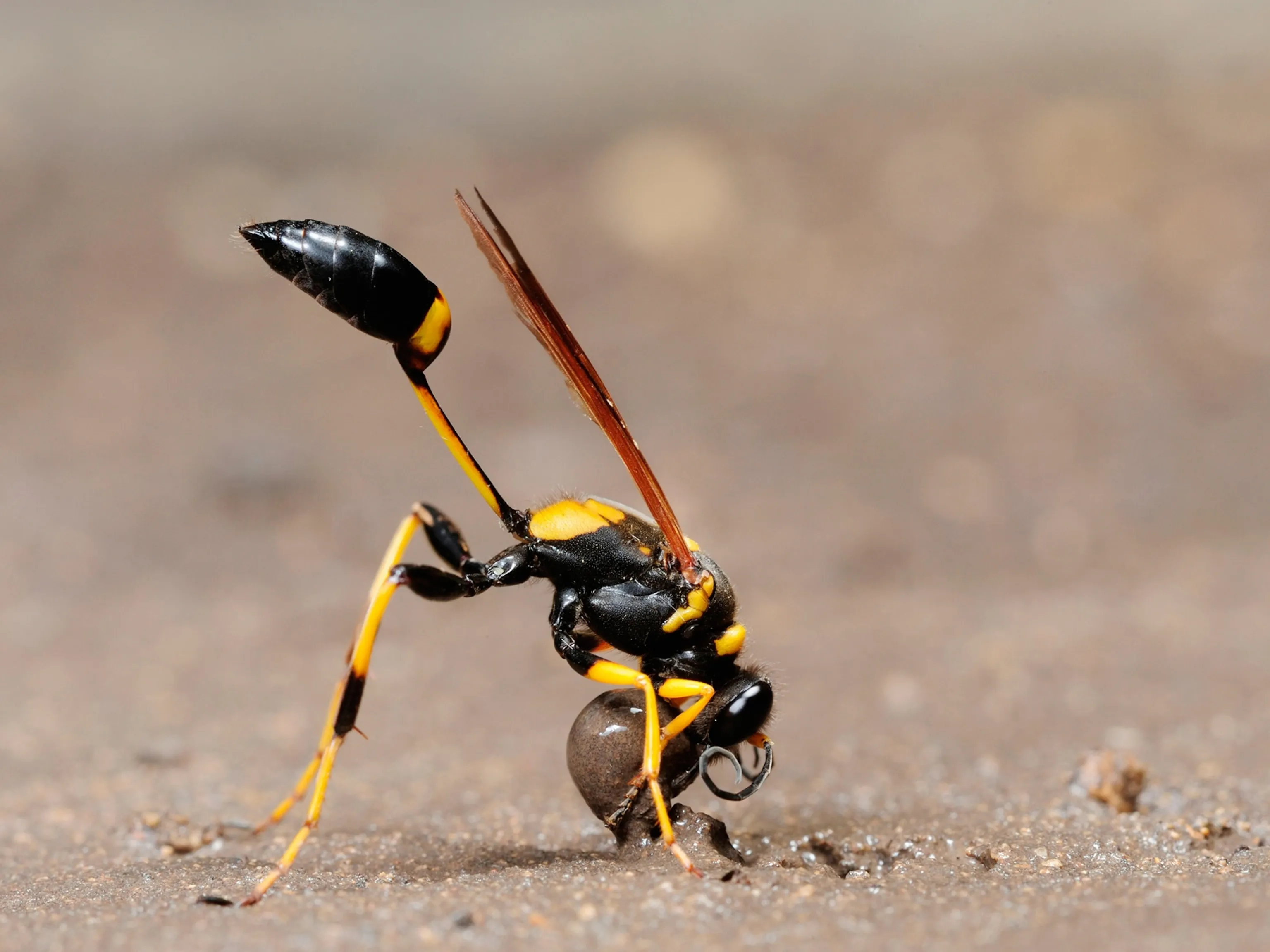
What is a Tarantula Hawk?
The tarantula hawk is a large, striking species of spider wasp known for its painful sting. These insects are not just visually impressive; they are formidable predators with a unique life cycle. They are primarily found in arid regions of the world, including the southwestern United States, where they prey on tarantulas. The female tarantula hawk is responsible for hunting and paralyzing the tarantulas, which then serve as hosts for their larvae. Their appearance is notable, with vibrant colors that serve as a warning to potential predators. Understanding what these insects are and their behaviors is the first step in understanding the potential danger of their sting and how to deal with it.
Appearance and Habitat
Tarantula hawks are typically 2 to 4 inches long, with a striking metallic blue-black body and reddish-orange wings. This distinct coloration serves as an aposematic signal, warning potential predators of their potent sting. They are commonly found in the deserts and arid grasslands of the southwestern United States, as well as parts of South America and Australia. These wasps prefer environments where tarantulas are abundant, as these spiders are their primary prey. Their habitat preferences provide valuable insights into where encounters with these insects are most likely to occur, and it’s important to be aware of the areas they frequent. For example, if you are in a hiking trails that includes desert or grassland environments, you might need to take extra precautions.
The Tarantula Hawk’s Sting

The tarantula hawk’s sting is often described as one of the most painful stings in the insect world. The pain experienced from a tarantula hawk sting is not just intense; it is also uniquely agonizing. It is a result of the wasp’s powerful venom injected into the victim’s body. The purpose of the sting is not primarily to kill, but to paralyze the tarantula, which the female tarantula hawk then uses as a host for her eggs. The effects of the sting can last for several minutes, causing extreme pain that can leave victims incapacitated. The pain can be so severe that it can interfere with one’s ability to function normally for a significant period. This intense pain is the main reason why people regard this wasp as so dangerous.
The Schmidt Pain Index
The Schmidt Sting Pain Index, developed by entomologist Justin Schmidt, rates the relative pain caused by the stings of various insects. Tarantula hawk stings are consistently ranked among the highest on this scale, often scoring a 4, the highest level of pain. Schmidt described the pain as “blinding, fierce, and shockingly electric.” This index provides a useful tool for understanding the intensity of different insect stings, and the high ranking of the tarantula hawk sting underscores its reputation for causing extreme pain. The index helps to put the experience into perspective, allowing people to compare the effects of different insect stings and grasp the severity of this particular sting.
Severity of the Sting
While the tarantula hawk’s sting is excruciating, it is not usually life-threatening unless the person stung has an allergic reaction. The primary concern is the intensity of the pain and the immediate physical reactions it causes. The pain from the sting is typically immediate and can last for several minutes. Though the pain is severe, it does not cause any lasting physical damage to most people. The venom primarily affects the nervous system, causing intense pain rather than systemic harm. The severity is related to the pain and the reaction, which can vary from person to person, but the long-term effects are typically minimal.
Symptoms of a Tarantula Hawk Sting

The symptoms of a tarantula hawk sting are primarily characterized by intense pain at the sting site. The pain is described as burning, throbbing, and often accompanied by a feeling of helplessness. In addition to the initial pain, there may be redness, swelling, and localized inflammation around the sting area. Victims may also experience temporary paralysis, which can make it difficult to move the affected limb. These symptoms reflect the venom’s impact on the nervous system, which is designed to be intensely painful. The duration of these symptoms varies, but the severe pain often subsides within a few minutes, although some discomfort might persist for an hour or more. The primary danger is from the intensity of the pain and the potential for secondary injuries caused by a loss of control from the pain.
Immediate Pain and Reactions
Immediately after being stung, the intense pain is the most prominent symptom. The pain often causes victims to become disoriented and can lead to involuntary movements. There might be a sensation of electric shock, and the affected area will likely become red and inflamed very quickly. The immediate reactions can include both physical and emotional responses, such as screaming or gasping due to the pain. The impact of the sting is both physical and psychological, leaving victims with a lasting memory of the experience. Because of the intense nature of the pain, understanding these immediate reactions is essential in recognizing the sting and knowing what steps to take next.
Potential for Allergic Reactions
Although rare, allergic reactions to tarantula hawk stings are possible. Such reactions can range from mild to severe. Symptoms of a mild allergic reaction may include hives, itching, and swelling beyond the sting site. Severe allergic reactions, or anaphylaxis, are very rare but can be life-threatening. Symptoms of anaphylaxis include difficulty breathing, swelling of the throat, dizziness, rapid heartbeat, and loss of consciousness. If someone experiences these symptoms, it is crucial to seek immediate medical attention. This is because anaphylaxis can quickly lead to death if not treated promptly. Knowing the signs of an allergic reaction is important to ensure prompt response and treatment.
First Aid for a Tarantula Hawk Sting

Providing appropriate first aid can significantly alleviate the pain and reduce the risk of complications from a tarantula hawk sting. The most crucial actions involve staying calm, removing the stinger (if present), and cleaning the area. Applying ice packs can help to reduce swelling and provide some pain relief. Other remedies can include elevating the affected limb and using over-the-counter pain relievers. It’s important to monitor the individual for any signs of an allergic reaction. These steps can provide some relief while awaiting further medical assistance, and they are very helpful for both the physical and psychological recovery after being stung.
Immediate Steps to Take
The first and most critical step is to remain calm, as panic can worsen the experience. Check the sting site to ensure the stinger has been removed. Wash the area gently with soap and water to prevent infection. Apply an ice pack to the sting site for about 10-20 minutes to reduce pain and swelling. If possible, elevate the affected limb to help reduce swelling. Take an over-the-counter pain reliever such as ibuprofen or acetaminophen to manage the pain. Stay calm and wait for the pain to subside. Following these steps promptly can significantly help minimize the sting’s effect and make the whole ordeal more manageable.
When to Seek Medical Attention
In most cases, a tarantula hawk sting does not require medical attention. However, there are certain situations in which it is crucial to seek professional help. If the person experiences any signs of a severe allergic reaction, such as difficulty breathing, swelling of the throat, or dizziness, call emergency services immediately. If the pain is unbearable or does not subside after a reasonable amount of time, seek medical advice. Anyone stung near the eyes, mouth, or throat should also see a doctor as these locations are more prone to serious complications. Seeking medical attention can help you avoid potential complications and ensure your safety.
Preventing Tarantula Hawk Encounters

Preventing encounters with tarantula hawks is the best way to avoid being stung. This involves understanding their habitats and taking precautions when in areas where they are common. Wear protective clothing, particularly when hiking or working outdoors in the arid regions where these wasps are typically found. Avoid disturbing their nests or attempting to handle them. Being vigilant and aware of your surroundings can significantly reduce the risk of being stung. Combining protective measures with a basic understanding of these insects is essential to enjoying the outdoors safely and reducing your risks.
Identifying Tarantula Hawk Habitats
Tarantula hawks are most frequently found in arid and desert environments. They prefer areas with sandy or loose soil, where they can dig nests and hunt tarantulas. They are most active during the warmer months, particularly during the late summer and early fall. When hiking or working in these regions, be aware of the potential presence of tarantula hawks. Look for areas where tarantulas are known to live, as this will increase the likelihood of encountering the wasps. Understanding the habitats of these wasps can make you better informed and help you avoid their areas. Keeping an eye out for the locations where these insects are most active can greatly reduce your risk.
Safety Precautions and Avoiding Stings
To avoid being stung, wear long sleeves, pants, and closed-toe shoes when in tarantula hawk habitats. Avoid sudden movements that might provoke the wasps, and never attempt to handle or swat at them. Be cautious when turning over rocks or disturbing soil, as this could disturb their nests. If you encounter a tarantula hawk, move away slowly and calmly. Avoid wearing brightly colored clothing, as these colors can attract insects. Being cautious and informed can significantly reduce the chances of a painful encounter. By adopting these preventative measures, it’s possible to safely coexist with these fascinating yet formidable creatures.