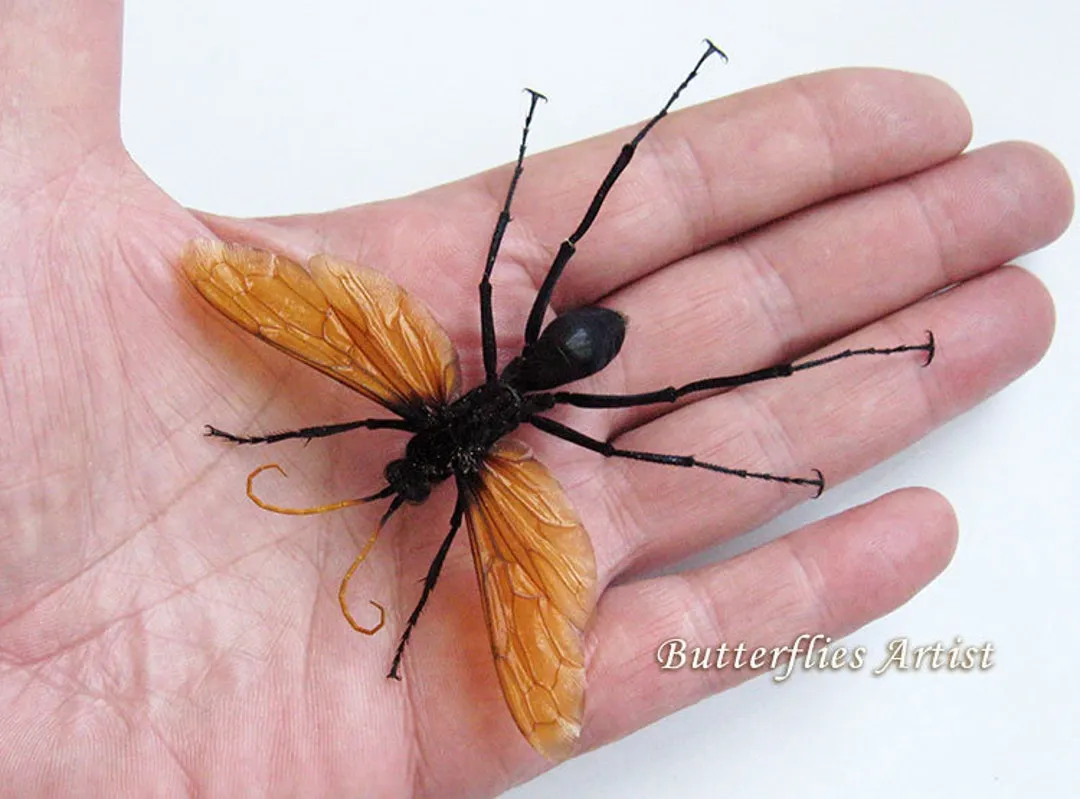
What is a Tarantula Hawk
The tarantula hawk (Pepsis grossa), a remarkable insect, is one of the largest wasps in the world, and is particularly fascinating in the arid landscapes of Arizona. This formidable predator is named for its primary prey, the tarantula spider. Beyond its hunting prowess, the tarantula hawk boasts a vibrant appearance and a reputation for having one of the most painful stings in the insect world. These wasps play a crucial role in their ecosystem, though they are often feared. Their existence highlights the dramatic and often brutal realities of nature, offering a glimpse into the complex relationships between predator and prey within the diverse habitats of Arizona and beyond. Understanding the tarantula hawk involves appreciating its unique behaviors and adaptations, which have allowed it to thrive in harsh environments.
Appearance of the Tarantula Hawk
Tarantula hawks are striking insects, easily identified by their size and vibrant coloration. The females, generally larger than the males, can measure up to 2 inches in length. Their bodies are typically a deep, iridescent blue-black, while their wings often display a rusty or orange hue. This striking combination of colors serves both as a warning to potential predators and as a signal of their potent sting. The overall appearance is intimidating, reflecting the wasp’s powerful nature and hunting capabilities. Close examination reveals a robust build, equipped with strong legs for grappling and digging, and a powerful stinger for subduing prey. The tarantula hawk’s appearance is a clear indication of its role as a top predator in its environment.
Color Variations

The most common color combination for tarantula hawks is the iridescent blue-black body with orange wings, although some variations exist. While the orange-winged variety is prevalent, some individuals may have darker wings, ranging from a deep brown to almost black. The exact color of the wings can depend on various factors, including genetics and environmental conditions. Despite these variations, the body color generally remains consistent. These color variations contribute to the species’ visual diversity, allowing for subtle distinctions within the tarantula hawk population. The visual vibrancy of these wasps makes them stand out in their natural habitats, further enhancing their allure.
Size and Characteristics
The size of a tarantula hawk contributes significantly to its imposing presence. Females are typically larger than males, making them easily identifiable. These wasps possess a robust build, which reflects their strength and hunting capabilities. Their legs are strong and adapted for digging and grappling with their prey. The stinger, a key characteristic, is long and formidable, designed to deliver a potent sting. The overall characteristics of the tarantula hawk, from its size to its build, contribute to its effective predation of tarantulas. This combination of size, strength, and a potent defense mechanism makes the tarantula hawk a highly successful predator in its environment.
Habitat and Distribution
Tarantula hawks thrive in warm, arid environments, making Arizona an ideal habitat. They are commonly found in deserts, grasslands, and scrublands across the state. Their distribution isn’t limited to Arizona, as they also inhabit other parts of the southwestern United States and into South America. The availability of tarantulas is a key factor in determining their habitat. These wasps prefer areas with sandy or loamy soil for nesting, as this makes it easier for them to dig burrows. This is one reason why tarantula hawks are often observed in open, sunny areas where tarantulas are also prevalent. The presence of flowering plants is also important, as adults feed on nectar.
Where to Find Tarantula Hawks in Arizona

In Arizona, tarantula hawks are relatively common, particularly during the warmer months of the year, from late spring to early fall. They can be found in various locations throughout the state, including the Sonoran and Mojave Deserts. Popular areas include state and national parks, such as Saguaro National Park and Organ Pipe Cactus National Monument. They are also seen in suburban areas with suitable habitats. To spot a tarantula hawk, one should look in areas with sandy or loamy soil and where tarantulas are frequently seen. Observing flowering plants is also helpful, as the wasps feed on nectar. It’s best to observe from a distance, as these wasps are generally not aggressive unless provoked.
Preferred Habitats
Tarantula hawks have specific habitat preferences that make it easier to find them. They prefer open areas with sparse vegetation, such as deserts, grasslands, and scrublands. The soil type is also crucial; they need sandy or loamy soil for constructing their nests. These wasps often frequent areas where tarantulas are found. Sunny locations are favored, as the wasps need warmth for activity. Flowering plants that provide nectar are another key element, as they serve as a food source for the adult tarantula hawks. Understanding these habitat preferences increases the chances of spotting these remarkable insects. They often avoid dense forests or areas with excessive moisture.
The Tarantula Hawk’s Life Cycle
The life cycle of the tarantula hawk is a fascinating process of transformation and predation. The process starts with the female tarantula hawk hunting and paralyzing a tarantula spider. Once the spider is subdued, the wasp drags it to a pre-made burrow or creates a new one. The wasp then lays a single egg on the spider’s abdomen. After the egg hatches, the larva feeds on the paralyzed spider. The larva consumes the tarantula slowly, ensuring its host remains alive for as long as possible. Once the larva has consumed the tarantula, it pupates within the burrow. The adult wasp emerges from the pupal stage, completing the life cycle and starting the process anew. The entire cycle, from egg to adult, can take several months.
The Stinging Process

The stinging process of a tarantula hawk is a key aspect of its life cycle, enabling it to subdue its prey. The female wasp, equipped with a potent stinger, uses it to inject venom into the tarantula spider. The sting is designed to paralyze the spider, rendering it immobile but still alive. The venom is injected into the spider’s nerve centers, quickly causing paralysis. This paralysis allows the wasp to transport the spider to its nest without resistance. The sting is not only a hunting tool but also ensures that the spider remains fresh for the wasp larva to feed upon. This precision in the stinging process showcases the wasp’s adaptation as a highly skilled predator.
The Tarantula Hunt
The hunt for a tarantula is a dramatic event, showcasing the tarantula hawk’s hunting prowess. The female tarantula hawk actively searches for tarantulas, often near their burrows. When a spider is located, the wasp engages in a fierce battle. The wasp attempts to flip the spider onto its back to get to its soft underbelly, where it delivers the paralyzing sting. This can be a dangerous undertaking for the wasp, as tarantulas possess strong defenses. The hunt can be a prolonged struggle, with the wasp using agility and persistence to overcome the spider’s resistance. Once the tarantula is subdued, the wasp drags the spider to a suitable nesting site, either the spider’s burrow or a pre-made one.
The Nesting and Egg Laying
After successfully hunting and paralyzing a tarantula, the tarantula hawk wasp begins the nesting phase. The wasp drags the immobilized spider to a burrow, which it may have previously dug or will create near the spider’s location. Once inside, the wasp deposits a single egg on the spider’s abdomen. The spider, still alive but paralyzed, serves as a food source for the developing wasp larva. The wasp then seals the burrow, leaving the egg to hatch. This meticulous process ensures the larva has a live food supply throughout its development. This strategic approach to nesting and egg laying highlights the wasp’s adaptation to survive and thrive in its environment.
Venom & Pain Level

The tarantula hawk is renowned for its incredibly painful sting. The venom, while not deadly to humans, causes intense pain. The sting is considered to be among the most painful of any insect sting. The pain is immediate and can last for several minutes. It is described as excruciating, leading to a temporary paralysis. The sting is a defense mechanism as well as a tool used in hunting, helping the wasp subdue its prey. The potency of the venom and the pain level are testaments to the remarkable defense and hunting capabilities of the tarantula hawk.
How Painful is the Sting
The sting of a tarantula hawk is famously painful. The Schmidt Sting Pain Index, which ranks insect stings, places the tarantula hawk sting at the top of its scale. The pain is described as intensely excruciating, causing immediate and severe discomfort. The sensation is often likened to an electrical shock accompanied by an overwhelming, all-encompassing pain. The effects can last for several minutes, during which the stung area may throb and swell. Fortunately, the venom is not lethal to humans, but the pain is enough to incapacitate for a short time. This intense pain is a defining characteristic of the tarantula hawk and is a reminder of its formidable nature.
What to Do if You are Stung
If stung by a tarantula hawk, the immediate response should be to remain calm. While the pain is excruciating, it subsides after a few minutes. There is no specific antidote for the venom. The primary goal is to manage the pain and potential side effects. The best course of action is to move away from the area where the sting occurred to avoid further stings. Some individuals may experience swelling and redness at the sting site. Applying ice packs can help reduce swelling and provide some pain relief. Over-the-counter pain relievers can also be used. Although medical attention is rarely necessary, seeking a doctor is recommended if symptoms such as an allergic reaction occur, including difficulty breathing. Monitoring for symptoms and remaining calm is essential.
Other Interesting Facts

Beyond the basics, the tarantula hawk has many interesting facets. The males of the species do not possess stingers and primarily feed on nectar from flowers. They are therefore harmless to humans. The tarantula hawk plays a significant role in controlling tarantula populations. This predatorial role is part of the balance of the ecosystem, which supports healthy and natural regulation. The wasp’s ability to hunt and immobilize tarantulas is a display of biological adaptations. The tarantula hawk’s lifecycle, from hunting to egg-laying, reveals its complexities as a species. These fascinating facts reveal the remarkable traits that make the tarantula hawk an intriguing subject.
Diet and Feeding Habits
The diet and feeding habits of the tarantula hawk are highly specialized. The adult females primarily feed on nectar from flowers. This provides the energy needed for flight and hunting. The males have an exclusive nectar diet and do not engage in hunting. The larvae, on the other hand, feed exclusively on tarantula spiders, which are their only food source. The larva consumes the spider gradually, ensuring it remains fresh for as long as possible. This feeding behavior is a critical part of the tarantula hawk’s life cycle, ensuring the survival of the next generation. This specialized diet shows a remarkable adaptation for survival in its environment.
Predators and Threats
Despite its formidable defenses, the tarantula hawk faces several predators and threats. Birds, specifically roadrunners, are known predators of tarantula hawks. The wasps are also vulnerable during their larval stage. Parasitic flies are known to attack the larva, laying their eggs on the host. Habitat loss due to human development is a growing concern. Changes in climate can also impact the tarantula hawk population. Understanding these predators and threats is essential to appreciating the challenges faced by the species and its role in the ecosystem.
In conclusion, the tarantula hawk is a remarkable insect that embodies both beauty and danger. From its striking appearance to its painful sting, the tarantula hawk has fascinated and, at times, intimidated observers in Arizona. Its vital role in the ecosystem, as well as its complex life cycle, contributes to the natural order. Although it is best viewed from a distance, its survival highlights the incredible diversity found in the natural world. Learning about the tarantula hawk deepens our appreciation of the amazing insect and the environment in which it survives.