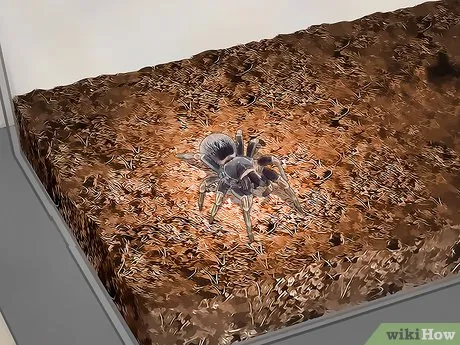
Owning a tarantula can be a fascinating experience, providing a unique perspective on the world of arachnids. However, understanding how to handle your tarantula safely is paramount to both your well-being and the spider’s welfare. This comprehensive guide offers detailed instructions and insights into safely picking up your tarantula, ensuring a positive experience for both you and your eight-legged friend. Remember, patience, respect, and a calm approach are key when interacting with these amazing creatures.
Understanding Your Tarantula’s Behavior
Before attempting to handle your tarantula, it’s crucial to understand its behavior. Tarantulas, while generally docile, can exhibit defensive behaviors when they feel threatened. Knowing these signs can help you avoid potential bites and ensure a smoother handling experience. Observe your tarantula’s routine and personality to anticipate its reactions and respond accordingly. Understanding your tarantula’s individual temperament is the first step to safe handling.
Recognizing Signs of Stress
Tarantulas may display several signs of stress. These signs indicate they are not comfortable and handling should be avoided. Being aware of these signs can help prevent you from causing unnecessary distress to your pet. Always prioritize the well-being of the tarantula and avoid any actions that might trigger a defensive response.
Body Language and Posture
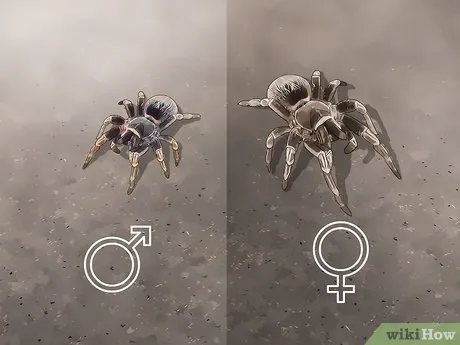
Observe your tarantula’s posture. A defensive stance, such as rearing up on its hind legs with fangs bared, is a clear indication of stress. Similarly, a rapid flicking of the legs, especially the pedipalps, can indicate agitation. Other signs include erratic movements, hiding in a corner, or repeatedly retreating to its burrow. These behaviors should be taken seriously and heeded when handling.
Environmental Factors
The environment can also impact a tarantula’s mood. Ensure that the enclosure’s temperature and humidity levels are appropriate for the species. Stress can be caused by sudden loud noises, vibrations, or a perceived threat. A stressed tarantula is more likely to bite or exhibit defensive behaviors. Be aware of your surroundings, providing a quiet and consistent environment to avoid stressing your tarantula.
Preparing for Handling
Proper preparation is key to a safe and successful handling experience. Gathering the right tools and creating a safe environment will help minimize the risk of injury to both you and the tarantula. This includes choosing the right tools and setting up an area where any accidental drops won’t be dangerous. Planning ahead is essential for a smooth handling process, reducing potential stress for both you and the spider.
Choosing the Right Tools
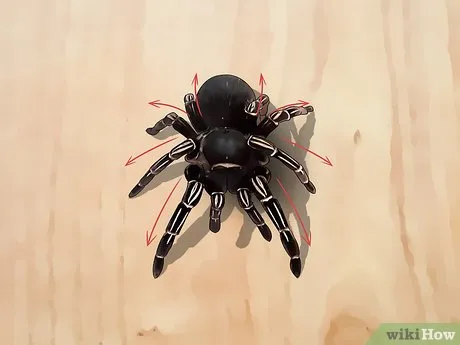
While handling with bare hands is an option for experienced keepers, it’s often best to use tools initially. Consider a soft brush or a clear container to guide the tarantula. A soft brush can gently encourage the tarantula to move in a desired direction, reducing the need for direct physical contact. A clear container provides a safe space to relocate the tarantula for observation or enclosure maintenance.
The Importance of a Soft Brush
A soft brush is invaluable for tarantula handling. It can gently encourage the tarantula to move without causing it to feel threatened. Use the brush to gently ’nudge’ the tarantula in the direction you want it to go, such as into a container. Avoid using any tool that might scratch or harm the tarantula. Always be patient and move slowly to avoid startling your pet. Using a brush is a gentle method that minimizes stress.
Using a Clear Container
A clear, sturdy container is another excellent tool. It offers a safe space for the tarantula during enclosure maintenance or when you need to temporarily relocate it. The transparency allows you to observe the tarantula while keeping it contained. The container should be large enough for the tarantula to move comfortably and have a secure lid to prevent escapes. Using a container adds an extra layer of safety.
Creating a Safe Environment

The handling environment should be a secure and controlled space. Minimize potential hazards and ensure a soft surface in case the tarantula accidentally falls. Avoid handling your tarantula near open windows or areas where it could potentially escape. Having a prepared environment reduces any possible risks and ensures the well-being of the tarantula.
Minimizing Height
Handle your tarantula close to the ground or over a soft surface, like a bed or a low table. This minimizes the distance the tarantula could fall, reducing the risk of injury. If the tarantula does fall, a soft landing surface will help to cushion the impact. Always prioritize safety to prevent potential harm to the animal.
Avoiding Sudden Movements
Tarantulas are sensitive to sudden movements and vibrations. Avoid quick gestures or loud noises during handling. Speak in a calm voice and move slowly. This helps the tarantula feel more secure. A calm environment is key to preventing stress and ensuring a successful handling experience.
The Step-by-Step Guide to Picking Up

Once you’ve prepared the environment and tools, you can begin the handling process. Remember to always approach your tarantula with patience and respect. It’s better to proceed slowly and carefully than to rush the process. Take your time, follow each step carefully, and you should be fine.
Approaching Your Tarantula
Start by gently introducing your presence. Speak softly and slowly, allowing the tarantula to become accustomed to your voice. Avoid making sudden movements or casting a large shadow over the enclosure. Observe its behavior closely for any signs of stress. Make sure it is calm before you attempt to handle it.
Gentle Guidance Techniques
If the tarantula appears calm, you can try gently guiding it into a container or onto your hand. Use a soft brush to gently nudge it in the desired direction. Avoid touching the tarantula directly unless you are experienced. Allow the spider to move at its own pace, and never force it. If the tarantula does not wish to be moved, respect this and try again later.
Supporting Your Tarantula

If you choose to hold your tarantula in your hand, support its body. Allow the tarantula to walk onto your open palm, and gently cup your other hand over it. Do not squeeze or restrain the tarantula. Always be aware of its movements and support it in a way that allows it to feel secure. Make sure to not move your hand too quickly, and keep it close to the ground.
What to Do if Your Tarantula Falls
If the tarantula falls, remain calm. Try to cushion the fall if possible, and ensure it lands on a soft surface. Do not panic or attempt to grab it. After the fall, carefully assess the tarantula for any signs of injury. Allow it to settle down before attempting to handle it again. It is important to remain calm, so the tarantula does not become more stressed.
After Handling Care
After handling your tarantula, it is important to take proper care of it. This ensures its well-being and allows you to establish a stronger bond with your pet. The care you provide after handling is essential to ensuring your pet’s safety and comfort, allowing them to live in the best possible environment.
Returning Your Tarantula to Its Enclosure

Carefully return the tarantula to its enclosure. Place it gently on the substrate or in its preferred spot. Observe the tarantula for a few minutes to ensure it is comfortable and not showing any signs of stress. Make sure it’s able to return to a comfortable temperature and that it is in an area where it feels safe.
Observation and Monitoring
After handling, continue to observe your tarantula. Check for any changes in behavior, such as loss of appetite or increased hiding. Monitor the enclosure’s conditions and ensure they remain optimal. Regular observation is crucial for detecting potential health issues or signs of stress. By carefully observing your pet, you can make sure it is living the best life possible.
Handling your tarantula can be a rewarding experience when approached with knowledge and respect. By understanding your tarantula’s behavior, preparing for handling, and following a step-by-step approach, you can safely interact with your pet. Always prioritize your tarantula’s well-being, and remember that patience and a calm demeanor are key to a positive experience for both you and your eight-legged friend.