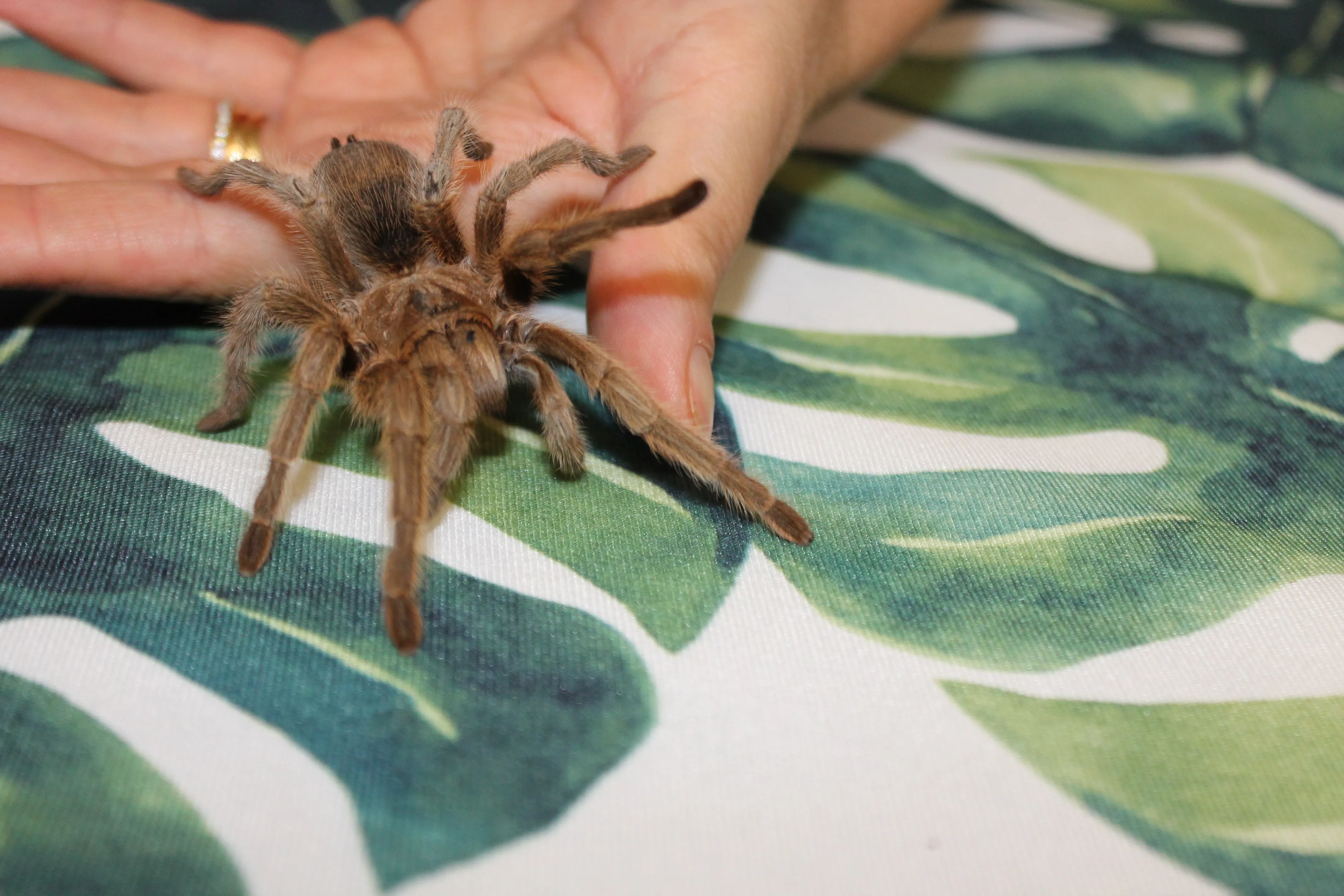
Tarantula Facts Unveiling the Truth
Tarantulas, often eliciting a mix of fascination and fear, are captivating creatures. They are not insects, nor are they reptiles. This article delves into the world of tarantulas, exploring lesser-known facts that might surprise even the most seasoned enthusiasts. We’ll journey beyond the basic understanding of these spiders, uncovering intriguing details about their biology, behavior, and the unique characteristics that set them apart. Prepare to be amazed by the secrets of these eight-legged wonders.
Tarantulas Not Reptiles Debunking the Myth
One of the most common misconceptions about tarantulas is that they belong to the reptile family. This is entirely false. Tarantulas are arachnids, a class of arthropods. Reptiles, on the other hand, are vertebrates, meaning they have a backbone. The fundamental differences in their anatomy, physiology, and evolutionary history place them in entirely separate groups. This distinction is crucial to understanding tarantulas. The idea that they are reptiles stems from a lack of general knowledge regarding taxonomy, and is often fueled by the similar environment some tarantulas live in, such as the desert.
Arachnid Anatomy Understanding Tarantulas

Arachnids, like tarantulas, have two main body sections: the cephalothorax (fused head and thorax) and the abdomen. They possess eight legs, unlike insects, which have six. They have chelicerae (mouthparts used for feeding) and pedipalps (used for sensing and manipulating prey). Inside, they have a simple digestive system and a nervous system centered in the cephalothorax. Arachnids also have a unique respiratory system, employing book lungs to extract oxygen from the air. The cephalothorax, the central hub of activity, houses the brain, eyes, and other vital organs, enabling the spider to process environmental information and to react accordingly.
Exoskeleton vs Skeleton Different Structures
A key difference between tarantulas and reptiles lies in their skeletal structure. Reptiles have an internal skeleton made of bone, providing support and structure. Tarantulas, like all arachnids, have an exoskeleton. This is a hard, protective outer shell made of chitin. This exoskeleton provides protection and support, but it also limits growth. As the tarantula grows, it sheds its exoskeleton in a process called molting, revealing a new, larger one underneath. This hard shell also protects them from predators and other environmental factors, making them a tough species.
Molting Process Tarantulas’ Growth
Molting is a fascinating, albeit vulnerable, process for tarantulas. They shed their exoskeleton periodically as they grow. The frequency of molting decreases as they mature. During molting, the tarantula creates a new, larger exoskeleton underneath the old one. This process leaves the tarantula vulnerable to predators. The tarantula will find a safe spot to do this to ensure they can survive the molting process. It can take hours or even days for the process to be completed. The new exoskeleton is initially soft, gradually hardening over time. The shed exoskeleton is often found intact, offering a glimpse into the tarantula’s previous size and appearance.
Respiration Techniques How Tarantulas Breathe

Tarantulas breathe using book lungs. These are unique respiratory organs located in the abdomen. Book lungs are composed of thin, plate-like structures arranged like the pages of a book. They facilitate gas exchange, allowing oxygen to be absorbed from the air and carbon dioxide to be released. Some tarantulas also have a tracheal system, similar to that of insects, that also helps with respiration. The efficiency of these systems allows tarantulas to thrive in various environments.
Tarantula Habitats and Environment
Tarantulas exhibit remarkable adaptability, found in diverse habitats worldwide. Some tarantulas reside in tropical rainforests, while others inhabit deserts, grasslands, or even burrows in the ground. Their habitat preferences depend on the species, with factors like temperature, humidity, and prey availability playing crucial roles. Understanding the environment is critical to understanding the tarantula’s survival. Their habitat dictates their behaviour, diet, and reproductive patterns, highlighting the intricate balance between the spider and its surroundings.
Warm-blooded vs Cold-blooded Tarantulas and Temperature
Tarantulas are ectothermic, which means they are often called ‘cold-blooded’. Unlike warm-blooded animals (like mammals), tarantulas cannot regulate their body temperature internally. Their body temperature fluctuates depending on the surrounding environment. They often bask in the sun to increase their body temperature, and retreat to cooler locations to avoid overheating. This reliance on the environment dictates their activity levels, with warmer temperatures usually resulting in increased activity and cooler temperatures causing them to become more lethargic.
Tarantula Diet Nutrition

Tarantulas are primarily carnivorous, with their diet consisting mainly of insects, other arthropods, and sometimes small vertebrates. Their feeding behavior involves injecting venom into their prey to immobilize and pre-digest it. They then suck up the liquefied tissues. The diet of a tarantula varies depending on its size, age, and the availability of prey in its habitat. Younger tarantulas typically feed on smaller insects, like fruit flies, while larger ones can consume larger prey, like crickets, roaches and even small mice. Tarantulas need to consume a sufficient amount of prey to be healthy.
Tarantula Behavior Unveiling the Spider’s Ways
Tarantula behavior is diverse and fascinating. Most species are solitary and nocturnal, spending their days in burrows or concealed locations and becoming active at night. However, some species are more active during the day. Their behaviors include hunting, mating, burrowing, and defending themselves. Mating rituals can be elaborate, involving specific displays and dances. Some tarantulas are known for their defensive behaviors. These include flicking urticating hairs (irritating hairs) from their abdomen and biting if threatened.
Defensive Mechanisms Tarantulas’ Protection
Tarantulas have evolved a range of defensive mechanisms to protect themselves from predators. One of the most unique is the use of urticating hairs. Many New World tarantulas have these hairs on their abdomens, which they can flick at perceived threats. These hairs cause skin irritation and discomfort. Other defenses include biting, the release of venom, and the ability to escape quickly. Some tarantulas also have vibrant colorations, which serve as a warning to predators. These colors signal that they are poisonous and that they should not be eaten.
Venom of Tarantulas Is It Dangerous?

The venom of most tarantulas is not considered lethal to humans. While a bite can be painful, the effects are generally comparable to a bee sting. Symptoms may include localized pain, swelling, and redness. However, allergic reactions are possible, and in rare cases, severe symptoms could occur. The severity of the bite depends on various factors, including the species of tarantula, the amount of venom injected, and the individual’s sensitivity. Generally, the venom is more dangerous to the tarantula’s prey than it is to humans.
Common Tarantula Species Interesting Types
The tarantula family is incredibly diverse. They can be found in various colours, sizes, and behaviors. Some popular species include the Chilean Rose Hair tarantula (Grammostola rosea), known for its docile temperament, and the Gooty Sapphire Ornamental (Poecilotheria metallica), admired for its vibrant blue and yellow coloration. Each species has unique characteristics, contributing to the fascination with these spiders. These types are commonly found in captivity. This diversity highlights the adaptability and evolutionary success of these fascinating arachnids.
In conclusion, tarantulas, as fascinating creatures, are not reptiles, but arachnids. Understanding their unique anatomy, behavior, and characteristics provides a deeper appreciation for their place in the ecosystem. From their exoskeletons and molting to their diverse diets and habitats, tarantulas offer endless opportunities for exploration and discovery. Dispelling the myth of their reptilian connection is a crucial step toward appreciating these amazing creatures. Next time you encounter a tarantula, remember the top 7 facts you learned and share the knowledge!