
The Allure of Tarantulas in Europe
Tarantulas, with their impressive size and captivating appearance, have long fascinated both scientists and nature enthusiasts. While often associated with tropical regions, several tarantula species call Europe home, adding a unique dimension to the continent’s biodiversity. These arachnids, though less diverse than their counterparts in the Americas or Asia, play a vital role in their ecosystems and present a captivating subject for study. This article will delve into ten fascinating facts about tarantulas found in Europe, exploring their habitats, behaviors, and the challenges they face. From their defensive mechanisms to their intriguing life cycles, we’ll uncover the secrets of these eight-legged wonders and why they are such a captivating subject.
Diversity of European Tarantulas
Species Spotlight the European Tarantula

The most well-known tarantula species in Europe is the European tarantula (Lycosa tarantula), also known as the tarantula wolf spider. Despite the name, this spider is a type of wolf spider, not a true tarantula. It is native to southern Europe, particularly the Mediterranean region. This species, while not as large as some of its tropical relatives, can still reach a significant size, with females often being larger than males. They are typically brown or gray, blending seamlessly with their environment. They are terrestrial spiders, preferring to live in burrows they dig in the ground.
Habitat and Distribution
Preferred Habitats of European Tarantulas
European tarantulas thrive in warm, dry environments with well-drained soil, such as grasslands, scrublands, and open woodlands. They construct burrows, often lined with silk, to provide shelter from the sun and predators. The ideal habitat is one where the soil is easily diggable and offers ample cover, such as under rocks or among sparse vegetation. They are highly adaptable, but they are most commonly found in areas with mild winters and hot summers. These spiders often inhabit areas with a variety of insect prey.
Geographic Distribution across Europe

The European tarantula is primarily found in southern Europe, including countries like Italy, Spain, Portugal, Greece, and parts of France. Their distribution is limited by climate and habitat preferences. The species has a relatively narrow distribution compared to some other tarantula species. They tend to avoid colder climates and prefer regions with a Mediterranean climate. Efforts to monitor their population are ongoing to understand changes in their distribution and abundance due to habitat loss and climate change. The spiders are an important part of the local ecosystem where they exist.
Unique Adaptations
Camouflage and Defensive Mechanisms
Tarantulas in Europe have evolved several unique adaptations to survive in their environment. One key adaptation is their coloration, which often blends seamlessly with their surroundings. This camouflage helps them ambush prey and avoid detection by predators, such as birds and small mammals. They also have urticating hairs on their abdomens, which they can flick at predators as a defense mechanism. These hairs cause irritation and discomfort, deterring potential threats. Furthermore, the tarantulas have strong chelicerae, or fangs, for subduing prey.
Diet and Feeding Habits
What Do European Tarantulas Eat
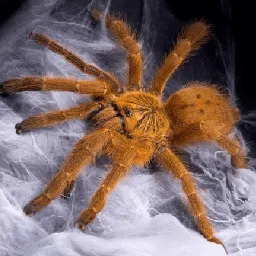
European tarantulas are primarily insectivores, feeding on a variety of insects and other invertebrates. Their diet includes grasshoppers, crickets, beetles, and other arthropods they can overpower. They are ambush predators, waiting patiently near their burrows for unsuspecting prey to pass by. Once a suitable meal comes within reach, they swiftly pounce, injecting venom to immobilize and begin the digestion process. They typically consume their prey by breaking it down using digestive enzymes and then consuming the resulting liquid. They are voracious eaters and play an important role in regulating insect populations in their ecosystems.
Hunting Techniques and Strategies
The hunting techniques of European tarantulas are a marvel of adaptation. They are patient ambush predators, often waiting for hours near the entrance of their burrows. When prey approaches, the tarantula will quickly strike. Their keen senses detect the slightest vibrations, which alert them to the presence of potential meals. Their fangs are designed to pierce the exoskeletons of insects, injecting venom to paralyze their prey. The spider then carries the prey back to its burrow to feed. These spiders also utilize silk to line the entrance to their burrows, providing them with additional sensory information.
Reproduction and Life Cycle

Mating Rituals of European Tarantulas
The mating process in European tarantulas is a complex series of interactions, initiated by the male seeking out a receptive female. Males use a variety of courtship behaviors to attract females. These may include drumming on the ground or vibrating their bodies to send signals through the substrate. Once a male is accepted, the male approaches the female with caution, avoiding being mistaken for prey. The male uses pedipalps, modified appendages near the mouth, to transfer sperm to the female. The females, being larger, may become aggressive if not properly courted.
Egg Sacs and Spiderling Development
After mating, the female tarantula creates an egg sac, which she carefully guards and protects. The egg sac is typically made of silk and can contain hundreds of eggs. The female diligently cares for the eggs, turning the sac to ensure proper development. After several weeks, the spiderlings hatch from the eggs. The spiderlings stay with their mother for a short period, often molting several times before they disperse to establish their own burrows. The survival rate is low for spiderlings due to predation and environmental challenges.
Behavioral Traits

Temperament and Interactions
European tarantulas are generally not aggressive towards humans but are best observed from a distance. They are more inclined to flee than attack. However, they can bite if provoked, and their bites can be painful due to their large fangs. The venom, though not lethal to humans, can cause local pain, swelling, and discomfort. In their natural habitat, they often interact with other creatures and predators. They must constantly be aware of their surroundings to survive. Their interactions, therefore, revolve around their need for survival.
Nocturnal Activity and Burrowing
Most European tarantulas are primarily nocturnal, being most active during the night and at dusk. They are well-suited to nighttime activity due to their excellent sensory capabilities. During the day, they typically remain hidden in their burrows, seeking shelter from the heat and sun. Their burrows are carefully constructed, providing a safe refuge. These spiders are master diggers, creating elaborate underground homes. These burrows also offer protection from predators. The design of the burrow varies depending on the environment and the spider’s needs.
Conservation Status and Threats

Human Impact and Conservation Efforts
Like many species, European tarantulas face several threats. Habitat loss due to urbanization and agricultural expansion is a significant concern. They also face challenges from pesticide use, which can impact their food supply and directly harm them. Conservation efforts are crucial to protect these fascinating creatures. Efforts include preserving their natural habitats, educating the public about the spiders, and monitoring their populations to understand the impact of various threats. Strict conservation measures are needed to ensure that the tarantulas thrive for many generations.
Interesting Facts
Venom and Bites
The venom of the European tarantula is not considered highly dangerous to humans. While their bite can be painful, it is generally not life-threatening. The venom can cause local pain, redness, swelling, and sometimes muscle cramps. Medical attention is rarely required unless the individual is allergic to the venom. Tarantulas are not aggressive and only bite when they feel threatened or are provoked. Education is necessary so people can co-exist with these animals without fear or harm.
Lifespan of European Tarantulas
The lifespan of European tarantulas varies depending on the species and sex. Females typically live longer than males, sometimes for several years. The average lifespan of a female European tarantula can be up to 10 years, whereas males may only live for a couple of years after reaching maturity. Several factors can influence a spider’s lifespan, including habitat quality, food availability, and exposure to predators. The tarantulas’ ability to adapt and thrive ensures that they continue to be an integral part of the European ecosystem.
Popularity and Keeping Tarantulas in Europe
European tarantulas have grown in popularity within the pet trade, especially in countries where they are not native. Many hobbyists find them fascinating and enjoy observing their behavior. However, it’s essential to understand that keeping tarantulas requires careful consideration, including proper housing, feeding, and environmental control. Captive tarantulas typically have a higher survival rate than their wild counterparts. Furthermore, it’s essential to comply with all legal regulations regarding the keeping of tarantulas. By understanding and respecting their needs, enthusiasts can contribute to the conservation of these wonderful creatures and increase awareness and appreciation of the biodiversity of European fauna.