Tarantula Enclosure: Top 5 Size Tips
Choosing the right tarantula enclosure size is crucial for your spider’s well-being and overall happiness. A properly sized enclosure provides a comfortable living space, promotes healthy behavior, and makes it easier for you to care for your pet. This guide will provide you with the top 5 size tips to ensure your tarantula thrives in its new home. Proper enclosure size prevents unnecessary stress for your tarantula, making it more likely to eat, drink, and display natural behaviors. Selecting the correct size also makes it easier to maintain the necessary temperature and humidity levels, which are vital for the tarantula’s health. It also offers convenience for the keeper, providing an enclosure that is easy to maintain, clean, and observe your spider. These essential tips will guide you to select the most suitable enclosure for your tarantula and help you build a happy, healthy, and thriving environment for your eight-legged companion.
Consider the Tarantula Species
The first and foremost consideration is the tarantula species. Different species have different sizes, behaviors, and environmental needs. Research your tarantula’s specific requirements thoroughly. Some species are naturally larger, while others are more active and require more space to roam. Terrestrial species, which live on the ground, require more floor space, while arboreal species, which live in trees, need more vertical space. Researching the species helps you select the correct enclosure and its size, shape, and dimensions. The more you know about your tarantula species, the more effectively you can cater to its needs. Proper species research is also essential to ensure that your tarantula displays natural behaviors and avoids stress. Considering the tarantula species is the initial step in providing the ideal enclosure for your tarantula to thrive.
Terrestrial Tarantulas

Terrestrial tarantulas, like the popular Mexican Red Knee or the Chilean Rose, are ground-dwelling spiders. These spiders typically require a wider enclosure with more horizontal space. A general rule is to provide an enclosure that’s at least three times the tarantula’s leg span in width. The enclosure should have adequate floor space for the tarantula to move around and create a burrow or hide. A substrate depth that allows for burrowing is also crucial. This space allows the tarantula to exhibit its natural burrowing behavior and find a comfortable retreat. A spacious enclosure helps terrestrial species feel secure and less stressed. Adequate floor space in the enclosure also helps with easy feeding and maintenance of the enclosure. Keep in mind the tarantula will need ample space to move around, hunt, and eat without feeling crowded.
Arboreal Tarantulas
Arboreal tarantulas, such as the Pinktoe Tarantula, are tree-dwelling spiders. They need taller enclosures with more vertical space. The enclosure height should be at least three times the tarantula’s leg span to allow for climbing and web-building. Arboreal species also benefit from the inclusion of branches, cork bark, or other climbing structures. This structure offers hiding places and encourages natural behaviors like web-making. Proper ventilation is also important for arboreal tarantulas, as they often prefer higher humidity levels. A taller enclosure accommodates their natural arboreal tendencies, helping them feel more comfortable and at ease. Providing vertical space and vertical structures enables arboreal species to live happily and healthily, mirroring their natural habitat.
The Tarantula’s Leg Span Matters
The tarantula’s leg span is the primary factor in determining enclosure size. The leg span is the distance between the tips of the spider’s front and back legs when they are fully extended. A general guideline is that the enclosure’s width and length should be at least 2-3 times the tarantula’s leg span. This rule provides enough space for the tarantula to move freely, hunt, and establish a comfortable territory. Using the leg span is a simple and practical method for calculating the required enclosure size. Enclosures that are too small can stress the tarantula, leading to a loss of appetite or other behavioral issues. Selecting an enclosure based on the tarantula’s leg span provides the tarantula with a safe and comfortable environment, enabling it to live a healthy life.
Measure the Leg Span Accurately

Measuring the leg span accurately is critical. The leg span is the most essential measurement to assess when selecting the proper enclosure size. Gently encourage the tarantula to extend its legs fully. Use a ruler or measuring tape to measure the distance from the tip of one front leg to the tip of the opposite hind leg. When measuring, it is important to be patient and avoid causing any stress to the tarantula. Taking the time to measure the leg span correctly is critical to determine the enclosure’s appropriate dimensions. This measurement will ensure the tarantula has enough room to move around, hunt for food, and feel comfortable in its habitat. Getting the accurate leg span measurement guarantees the tarantula’s needs will be catered for, therefore allowing it to display its natural behaviors.
Enclosure Width and Depth
The width and depth of the enclosure are also essential considerations. The width affects the horizontal space available for movement, while the depth influences the substrate depth. As a general guideline, the width and length of the enclosure should be at least 2–3 times the tarantula’s leg span, as mentioned before. This guideline is a starting point, and some species may need more space. The depth is primarily determined by the burrowing behavior of the species. Provide enough substrate depth for terrestrial species to dig burrows. For arboreal species, the depth isn’t as crucial, but it should still be enough to maintain the desired humidity. Considering the width and depth ensures that the enclosure is both spacious and meets the tarantula’s specific needs for both movement and burrowing.
Ventilation is Key
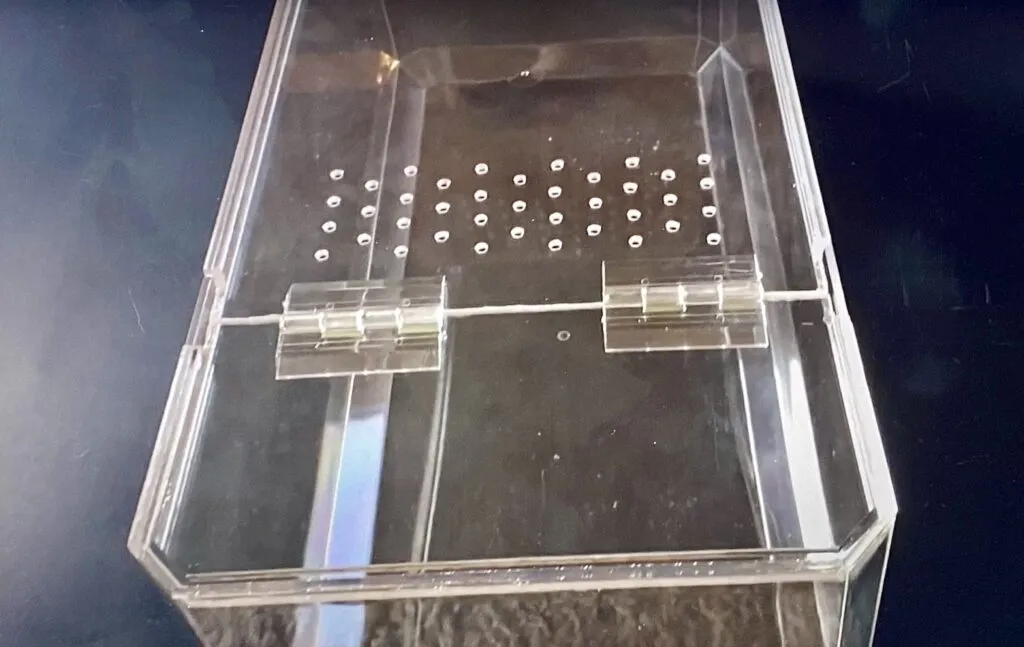
Ventilation is a critical aspect of tarantula care. Proper ventilation is essential for maintaining the appropriate humidity levels and preventing the growth of mold and fungus. Enclosures should have cross-ventilation, meaning that air can flow freely through the enclosure, typically from the top or sides. Adequate ventilation also prevents the buildup of harmful gases. If your enclosure doesn’t have sufficient ventilation, you may need to add additional ventilation holes. Poor ventilation can lead to respiratory issues and other health problems. Always ensure that your enclosure has adequate ventilation to provide the best environment for your tarantula. Ventilation helps maintain air quality and prevents the build-up of harmful substances in your tarantula’s enclosure.
Consider the Height of the Enclosure

The height of the enclosure is especially crucial for arboreal species. A taller enclosure allows arboreal tarantulas to climb and build webs. The general rule is that the height should be at least 2-3 times the tarantula’s leg span. A proper height also reduces the risk of falls. For terrestrial species, the height isn’t as critical, but it should be sufficient to provide enough substrate depth for burrowing. When selecting the enclosure height, consider the species’ natural behaviors and the available space. The enclosure height should match the spider’s arboreal or terrestrial traits. When selecting an enclosure, it’s essential to assess the specific species’ height needs. It will allow your tarantula to thrive in a habitat that is both secure and comfortable.
Substrate Depth and Burrowing Behavior
The substrate depth is a critical factor for terrestrial species that burrow. A deeper substrate allows them to create burrows and feel secure. The depth of the substrate should be at least as deep as the tarantula’s leg span, and ideally, deeper. The substrate should be a mix of coco fiber, peat moss, or other suitable materials. Ensure the substrate is not compacted and is moist but not soggy. Proper substrate depth supports the tarantula’s natural behaviors and gives them a secure place to retreat. The substrate depth enables terrestrial species to burrow and hide, mimicking their natural habitat. Substrate depth helps regulate humidity and temperature in the enclosure, contributing to the tarantula’s overall well-being.
Juvenile vs. Adult Tarantula Enclosure Needs
The enclosure size should vary depending on the tarantula’s age. Spiderlings or juvenile tarantulas need smaller enclosures to feel secure. As the tarantula grows, you’ll need to upgrade the enclosure size. Overcrowding is an important factor when it comes to tarantula’s enclosure size, especially in juvenile spiders. A smaller enclosure will help them find food and feel less stressed. An adult tarantula requires a larger enclosure to accommodate its size and needs. Regularly monitor your tarantula’s growth and adjust the enclosure size accordingly. The size of the enclosure is an essential element in providing an ideal habitat for your tarantula. Rehousing your tarantula to a larger enclosure as it grows is essential. Providing the right-sized enclosure can greatly impact the tarantula’s development and health.
Feeding and Maintenance Considerations

The enclosure size affects feeding and maintenance practices. A smaller enclosure is often easier to maintain and clean. It also makes it easier to monitor the tarantula and its food intake. Ensure that the enclosure has enough space to place a water dish and any decorative items. A cluttered enclosure can make it difficult for the tarantula to move around and find food. The enclosure should also be easily accessible for feeding and cleaning. The enclosure’s size impacts the frequency of cleaning and the amount of food required. Proper maintenance contributes to the tarantula’s well-being and keeps the enclosure clean and healthy. The appropriate enclosure is essential for creating the best environment for both the tarantula and its keeper.
Following these top 5 size tips will help you create a safe, comfortable, and thriving environment for your tarantula. Remember to always research your specific species, consider its leg span, and provide adequate ventilation and substrate depth. A properly sized enclosure is essential for the long-term health and happiness of your eight-legged friend.