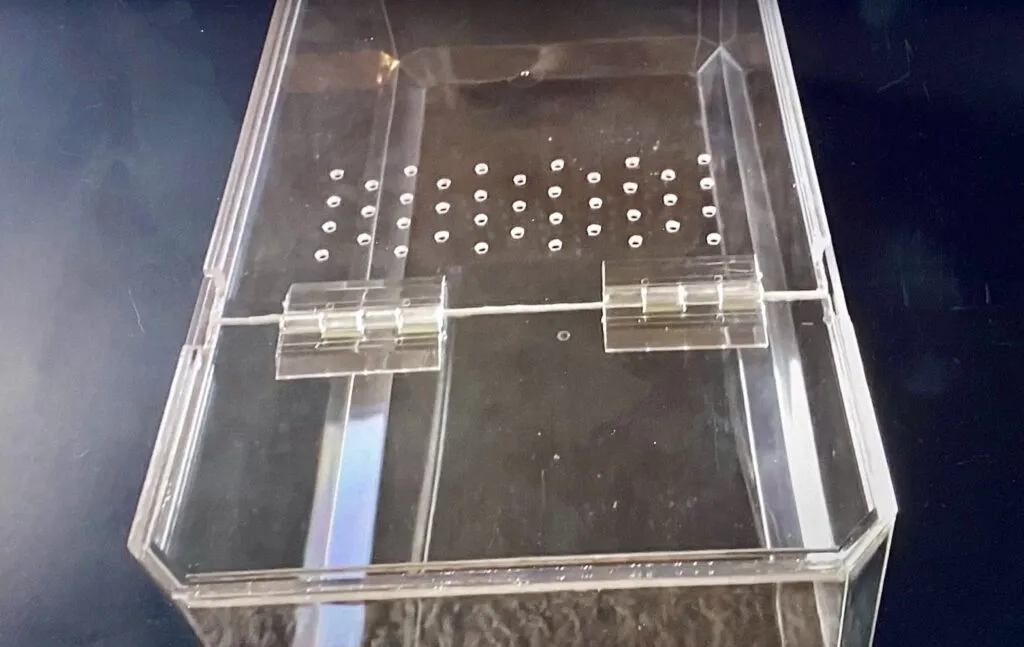
Understanding Tarantula Enclosure Needs
Choosing the right enclosure size for your tarantula is crucial for its health, well-being, and overall happiness. A proper enclosure provides a safe and stimulating environment, allowing your eight-legged friend to thrive. The size of the enclosure directly impacts a tarantula’s ability to move, hunt, and behave naturally. A too-small enclosure can lead to stress, inhibiting growth and potentially causing health issues. Conversely, a too-large enclosure, especially for smaller tarantulas, can make it difficult for them to find food and feel secure. This guide will delve into the essential factors to consider when selecting the perfect home for your tarantula, ensuring it lives a long and fulfilling life.
Factors Influencing Enclosure Size
Several factors influence the ideal enclosure size for a tarantula. These elements work together to determine the best living space for your spider. Consider each one carefully before making a purchase. A well-considered enclosure provides the proper space for your tarantula to grow, thrive, and exhibit natural behaviors. Neglecting these factors could negatively impact your tarantula’s health and happiness.
Tarantula Species

Different tarantula species have varying needs. Some, like the Chilean Rose Hair, are relatively docile and can be kept in enclosures of moderate size. Others, such as certain arboreal species like the Greenbottle Blue, need more vertical space for climbing. Researching the specific species you intend to keep is paramount. Learn about their natural habitat, typical adult size, and any specific behavioral needs to inform your enclosure choice.
Tarantula Size and Growth Stage
The tarantula’s size, and more importantly, its growth stage, plays a significant role in determining enclosure size. A spiderling (young tarantula) will require a much smaller enclosure than a full-grown adult. As they grow, they need larger spaces to accommodate their increasing size and provide enough room for molting. Ensure you are prepared to upgrade the enclosure as the tarantula matures, avoiding the risk of an overcrowded environment. Observe your tarantula’s growth closely to time enclosure upgrades properly.
Terrestrial, Arboreal, and Fossorial Tarantulas
Tarantulas are broadly categorized into terrestrial, arboreal, and fossorial types based on their lifestyle and habitat preferences. These lifestyle differences directly influence the best enclosure design and dimensions. Understanding these distinctions will help you choose the most appropriate habitat for your spider.
Enclosure Size for Terrestrial Tarantulas

Terrestrial tarantulas, which live on the ground, generally require enclosures that are wider than they are tall. They need ample floor space for roaming and creating burrows or webbing. The enclosure should be at least twice the tarantula’s leg span in width and length. Substrate depth is critical for terrestrial species; they need several inches to burrow and feel secure. A good starting point is a 10-gallon tank for a juvenile, and a 20-gallon long or larger for an adult.
Enclosure Size for Arboreal Tarantulas
Arboreal tarantulas, like the Pinktoe, are tree-dwelling spiders. Their enclosures need to be taller than they are wide to accommodate their climbing habits. Vertical space is essential for arboreal species. The enclosure should be at least three times the tarantula’s leg span in height. Provide climbing structures like cork bark and branches. A good starting point is a 10-gallon tall tank for a juvenile, and a 15-20 gallon tall or larger for an adult. Ensure the enclosure has a secure lid to prevent escapes.
Enclosure Size for Fossorial Tarantulas
Fossorial tarantulas are burrowing spiders, meaning they spend most of their time underground. Their enclosures need to provide a deep substrate layer for burrowing. While floor space is important, the depth of the substrate is the most critical factor. The enclosure should be at least as deep as the tarantula’s leg span, but ideally, much deeper to allow them to create extensive burrows. A good starting point is a 10-gallon tank, but a larger enclosure is often necessary for adult fossorial tarantulas. Always consider the depth of the substrate when determining enclosure size.
Essential Enclosure Features

Beyond the dimensions, several features are essential for a healthy tarantula enclosure. These features ensure your tarantula has a safe, comfortable, and stimulating environment to live in.
Substrate Depth and Type
The substrate, or bedding, is a critical component of the enclosure. The type and depth of the substrate depend on the tarantula’s species and natural behaviors. Terrestrial and fossorial tarantulas require deep substrate for burrowing. Suitable substrates include a mix of coco fiber, peat moss, and vermiculite. Ensure the substrate is kept slightly moist to maintain humidity levels. Arboreal tarantulas can use a shallower substrate, but it should still be absorbent to maintain humidity. Avoid substrates with sharp edges or chemical treatments.
Ventilation
Proper ventilation is crucial to prevent mold, mildew, and stagnant air within the enclosure. Ensure the enclosure has adequate cross-ventilation. This typically involves vents near the top and bottom of the enclosure to allow for airflow. Avoid enclosures that trap moisture, as this can lead to health problems. Regularly inspect the enclosure for signs of condensation or mold. Excessive moisture can be harmful to your tarantula.
Hides and Decor

Provide hides and decor to make the tarantula feel secure. Hides offer shelter and a place to retreat, which is crucial for their well-being. Suitable decor includes cork bark, artificial plants, and branches. Arrange the decor to create visual interest and mimic the tarantula’s natural environment. Avoid sharp objects that could injure your tarantula. The decor should also allow for easy access to food and water.
Feeding and Watering
Provide a shallow water dish with fresh, clean water at all times. The dish should be small enough to prevent the tarantula from drowning. Offer food in the form of appropriately sized insects, such as crickets or mealworms. Remove any uneaten food within 24 hours to prevent mold and mites. Ensure the food is readily accessible to the tarantula. Be mindful of the size of prey to ensure your tarantula can easily handle it.
Maintaining Optimal Humidity and Temperature
Maintaining the correct humidity and temperature levels is crucial for a tarantula’s health. These factors directly impact their ability to molt and their overall well-being. A stable environment reduces stress and encourages natural behaviors. The required humidity and temperature vary depending on the species. Research the specific needs of your tarantula species and create an environment to meet those needs.
Monitoring Humidity Levels

Use a hygrometer to monitor the humidity levels within the enclosure. The ideal humidity range varies depending on the species; most tarantulas thrive in a humidity range of 60-80%. Increase humidity by misting the enclosure with water or adding a water dish. Ensure the enclosure has adequate ventilation to prevent mold. Regularly check the substrate for moisture levels; adjust as necessary to maintain appropriate humidity levels. Excessive humidity can be just as detrimental as insufficient humidity.
Heating Options for Tarantula Enclosures
Maintain a temperature gradient within the enclosure. Use a low-wattage heat lamp or an under-tank heater (UTH) to provide a warm spot, but never place the heater directly under the enclosure for fossorial species. Avoid using heat rocks, as these can cause burns. The ideal temperature range for most tarantulas is between 75-85°F (24-29°C). Monitor the temperature using a thermometer. Always ensure the heat source is regulated to prevent overheating. Adjust the heater as needed to provide the ideal conditions for your tarantula.
Common Mistakes to Avoid
Several common mistakes can negatively affect a tarantula’s health and well-being. Avoiding these errors will help ensure your tarantula thrives in its enclosure. Careful planning and attention to detail can avoid many potential problems. Education is crucial in providing proper care for your tarantula.
Do not overcrowd the enclosure with decorations, leaving less space for movement. Avoid using harsh chemicals or strong cleaners in the enclosure, which can be toxic. Do not handle the tarantula unnecessarily, especially during molting. Do not use a screen lid without additional covering, as it can lead to excessive dryness. Regularly clean the enclosure, removing any uneaten food or waste to maintain a healthy environment. Finally, never underestimate the importance of researching the specific needs of your tarantula species.