Understanding the Curly Hair Tarantula
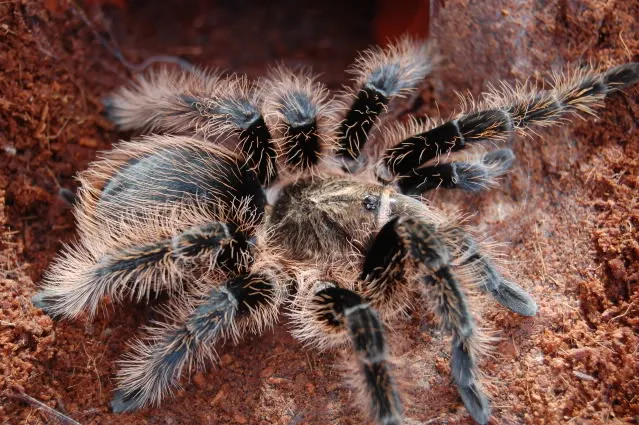
The Curly Hair Tarantula (Tliltocatl albopilosus), a captivating species, has become a favorite among tarantula enthusiasts. Its gentle temperament and striking appearance, characterized by its curly, golden-brown hairs, make it an appealing pet for both novice and experienced keepers. Understanding the basic needs of this arachnid is crucial for ensuring its health and longevity. This comprehensive guide delves into every aspect of Curly Hair Tarantula care, providing you with the knowledge to create a thriving environment for your eight-legged friend.
Origin and Habitat
Native to the tropical dry forests of Costa Rica, the Curly Hair Tarantula thrives in a warm, humid environment. In their natural habitat, these spiders are ground-dwelling creatures, constructing burrows in the soil or utilizing existing crevices for shelter. They are opportunistic hunters, feeding on insects and other small invertebrates. Replicating their natural environment is key to their well-being in captivity. Understanding their origin helps in mimicking the conditions they are accustomed to.
Physical Characteristics

The Curly Hair Tarantula is known for its distinctive appearance. The most notable feature is its carapace and legs, which are covered in a dense layer of curly hairs. These hairs range in color from light tan to a rich golden brown, adding to their appeal. These spiders can grow to a leg span of up to 5-6 inches, with females generally larger than males. Their bodies are robust, and they have powerful fangs used for capturing prey. They also possess urticating hairs on their abdomen, which they can flick off as a defense mechanism if they feel threatened. This defensive behavior can cause skin irritation if it comes into contact with your skin.
Setting Up the Perfect Habitat
Creating a suitable habitat is fundamental to the well-being of your Curly Hair Tarantula. The enclosure should provide a safe, comfortable environment that mimics their natural habitat. This involves careful consideration of enclosure type, substrate, temperature, and humidity. The right setup will not only keep your tarantula healthy but also allow you to observe its natural behaviors. Setting up the right habitat also helps in preventing escape, since they are very good at escaping if given the chance.
Choosing the Right Enclosure
The enclosure should be appropriately sized for the tarantula’s size. A good rule of thumb is to provide a space that is at least three times the tarantula’s leg span in width and length. For juvenile Curly Hair Tarantulas, a clear plastic container with a secure lid is often suitable. As they grow, you will need to upgrade to a larger enclosure, such as a glass terrarium or a specialized tarantula enclosure. Ensure the enclosure has good ventilation, with cross-ventilation being ideal, but also make sure the enclosure is secure and escape-proof.
Substrate Selection
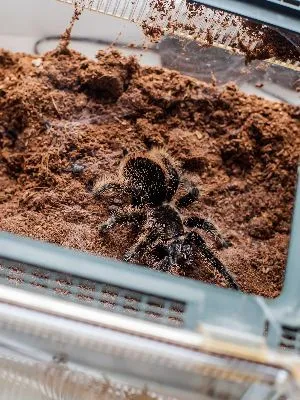
The substrate is the material that lines the bottom of the enclosure and is vital for maintaining proper humidity levels and providing a place for the tarantula to burrow. A mixture of peat moss, coco fiber, and vermiculite works well. This combination holds moisture effectively while also allowing for good drainage. The substrate should be several inches deep to allow for burrowing. Avoid substrates that are treated with chemicals or contain sharp materials, as these could harm your tarantula. The substrate also helps in keeping the enclosure clean and provides a surface for the tarantula to walk and move around.
Temperature and Humidity Control
Curly Hair Tarantulas thrive in a temperature range of 75-85°F (24-29°C) and a humidity level of 65-75%. You can monitor the temperature using a digital thermometer and the humidity with a hygrometer. Maintaining the right temperature can be achieved with a heat mat placed on the side of the enclosure or by regulating the ambient room temperature. Humidity can be managed by misting the enclosure with water, but avoid over-misting, which can lead to mold growth. Ensure good ventilation to prevent the build-up of excessive humidity.
Feeding Your Curly Hair Tarantula
Proper feeding is crucial for the health and growth of your Curly Hair Tarantula. Providing a balanced diet ensures they receive the necessary nutrients to thrive. The type and frequency of feeding should be adjusted according to the tarantula’s age and size. Overfeeding should be avoided, as it can lead to health problems. Observing your tarantula’s eating habits will help you understand its needs and adjust its diet accordingly.
Appropriate Food Choices

The diet of a Curly Hair Tarantula primarily consists of insects. Crickets, mealworms, and roaches are common food choices. Make sure to choose insects that are properly sized for your tarantula. The general rule is to feed insects that are no larger than the tarantula’s body. Avoid feeding wild-caught insects, as they may carry parasites or pesticides. You can also supplement their diet with pre-killed insects, especially for newly molted tarantulas that may be more vulnerable.
Feeding Frequency
The feeding frequency depends on the tarantula’s age and size. Spiderlings can be fed several times a week, while adults can be fed once or twice a week. Observe your tarantula’s feeding response. If it consistently refuses food, it might be in pre-molt or not hungry. Remove uneaten food within 24 hours to prevent the growth of mold or mites. Provide a water source at all times, and ensure it is always clean.
Watering and Hydration
Hydration is a critical aspect of Curly Hair Tarantula care. Providing a clean water source ensures your tarantula remains well-hydrated, which is essential for its overall health and the molting process. Always make sure there is access to fresh, clean water. The water should be accessible at all times. Water also helps in maintaining the humidity of the enclosure.
Watering Techniques

The easiest way to provide water is to use a shallow water dish. This can be a bottle cap or a commercial water dish designed for tarantulas. Ensure the water dish is shallow enough to prevent the tarantula from drowning, especially for spiderlings. You can also provide water by misting the enclosure. The key is to create an environment where the tarantula can drink when it needs to. Misting is especially helpful in increasing humidity.
Importance of Clean Water
Always use clean, fresh water. Regularly clean the water dish to prevent the growth of bacteria or algae. Replace the water at least once a week, or more frequently if it becomes soiled. Consider using bottled or filtered water to avoid any potential contaminants that could be harmful to your tarantula. Clean water contributes to the well-being of your pet, supporting its health and vitality.
Handling and Interaction
While Curly Hair Tarantulas are generally docile, handling should be approached with caution. Understanding their behavior and practicing safe handling techniques are essential to prevent stress to the tarantula and potential injury to yourself. Many keepers enjoy interacting with their tarantulas, but it is important to remember that these are wild animals and should be treated with respect.
Safe Handling Practices

If you choose to handle your tarantula, do so close to the ground or a soft surface to prevent injury if it falls. Avoid sudden movements or loud noises, as these can startle the tarantula. Never force the tarantula to move or handle it if it appears stressed. Always wash your hands before and after handling your tarantula. Be aware of their urticating hairs, which can cause skin irritation; avoid contact with your face and eyes after handling.
Understanding Tarantula Behavior
Pay attention to your tarantula’s behavior. If it is skittish, flicking its hairs, or raising its front legs, it may feel threatened and should be left alone. Healthy tarantulas are generally active, especially at night, and will often explore their enclosure. A tarantula in pre-molt will likely refuse food and may become less active, sometimes spending a lot of time in one place.
Common Health Issues and Solutions
Like any pet, Curly Hair Tarantulas can experience health issues. Recognizing potential problems and taking preventative measures can ensure your tarantula lives a long and healthy life. Knowing the common signs of illness and how to address them is a crucial part of responsible tarantula care. Regular observation can help you catch problems early.
Recognizing Signs of Illness

Watch out for changes in behavior, such as loss of appetite, lethargy, or erratic movements. Other signs of illness include: dark spots on the abdomen, which can indicate fungal infections; excessive tremors, which may be caused by stress or injury; and difficulty molting, which may be caused by low humidity. If you notice any of these signs, consult with a veterinarian or experienced tarantula keeper for advice.
Preventative Measures
Maintain a clean and appropriate environment to prevent most health issues. Provide a balanced diet and ensure that the temperature and humidity are correct. Regularly clean the enclosure, removing any uneaten food or waste. Isolate any new tarantulas before introducing them to your existing collection to prevent the spread of diseases. Proper care and regular observation are the best ways to keep your Curly Hair Tarantula healthy.
Molting Process Explained
Molting is a natural process where tarantulas shed their exoskeleton to grow. This process is essential for their health and development. The frequency of molting decreases as the tarantula matures. It’s a vulnerable time for the tarantula, so understanding how to support them through this process is very important. You can improve the chances that molting goes well and that the tarantula lives a long life.
What to Expect During Molting
Prior to molting, the tarantula will often stop eating and may become less active. The abdomen will appear dark and swollen, and the tarantula may lay on its back. The process of molting can take several hours, during which the tarantula will shed its old exoskeleton and emerge with a new, softer one. Do not disturb the tarantula during this time, as it is very vulnerable. High humidity is essential during this process.
Post-Molting Care
After molting, the tarantula’s new exoskeleton will be soft and vulnerable. Do not feed it for a few days to allow the exoskeleton to harden. Provide a fresh water source and maintain proper humidity. During this time, the tarantula will be more sensitive. Avoid handling the tarantula until its exoskeleton is fully hardened. Once the exoskeleton is hardened, you can resume feeding. Offer appropriate-sized food.
Conclusion
Caring for a Curly Hair Tarantula can be a rewarding experience. By understanding their needs, providing the right environment, and practicing responsible care, you can ensure your tarantula thrives. This guide provides the foundation for successful tarantula keeping, but remember that every tarantula is unique. Continuous learning and observation are key to building a strong bond with your pet and enjoying the fascinating world of tarantulas. With patience and care, you can enjoy the beauty and unique personality of your Curly Hair Tarantula for years to come.