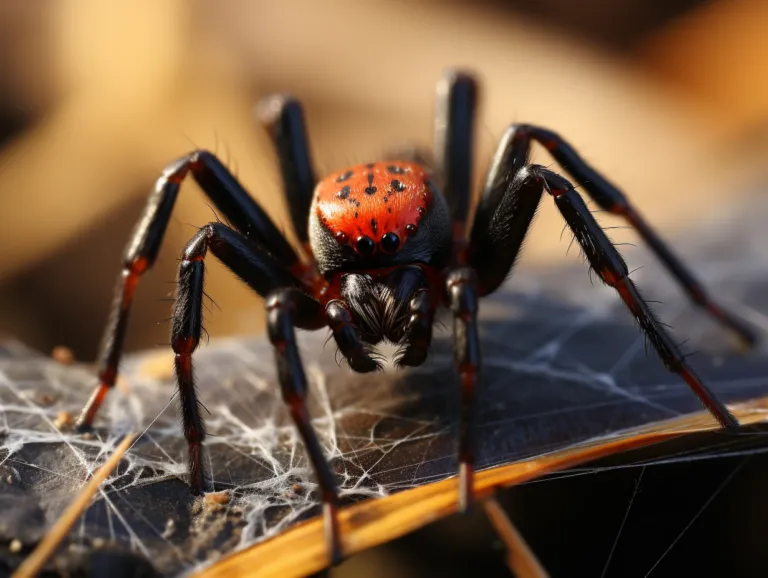
Choosing Your Non-Venomous Tarantula
Bringing a tarantula into your home can be an incredibly rewarding experience. These fascinating creatures, while often misunderstood, are relatively low-maintenance pets. However, responsible ownership starts with informed choices. Before you welcome a tarantula, it is vital to understand their unique needs and select a species that suits your lifestyle and experience level. This guide focuses on non-venomous tarantulas, which are generally considered safer pets. Remember, all tarantulas possess fangs and can deliver a bite, so proper handling and caution are always necessary. This article aims to equip you with the knowledge needed to provide a happy and healthy life for your new pet tarantula.
Researching Tarantula Species
The world of tarantulas is diverse, with hundreds of different species, each with distinct characteristics. Thorough research is the cornerstone of successful tarantula ownership. Some species are more docile and better suited for beginners, while others can be more defensive and require more experienced keepers. Consider factors such as the tarantula’s size, temperament, venom potency, and specific environmental needs. Some tarantulas are terrestrial, meaning they live on the ground, while others are arboreal, preferring to live in trees or high places. This will significantly impact the type of enclosure you need. Online resources, such as reputable tarantula care guides, forums, and breeders’ websites, are invaluable for gathering information.
Identifying Non-Venomous Tarantulas

While all tarantulas possess venom, the venom of some species is considered less potent to humans. However, it’s essential to understand that the term “non-venomous” is not entirely accurate, and all tarantulas can bite if provoked. The effects of a bite can vary depending on the species and the individual. Look for breeders specializing in tarantulas, as they can provide valuable insights into the temperament and care requirements of the species they offer. Always verify the source of your tarantula and ask for information about its origin. A reputable breeder can provide documentation and a health guarantee, giving you confidence that your new pet is healthy and correctly identified. Furthermore, avoid catching tarantulas from the wild; they may carry diseases and parasites.
Setting Up Your Tarantula’s Habitat
Creating the right habitat is paramount to your tarantula’s well-being. Their enclosure should mimic their natural environment as closely as possible, providing a sense of security and facilitating natural behaviors. The setup should be appropriately sized, provide adequate ventilation, and be escape-proof. The enclosure’s size depends on the species and the size of the tarantula. A juvenile tarantula will need a smaller enclosure than a fully grown adult. The enclosure must be easy to clean and maintain to ensure the tarantula stays healthy.
Choosing the Right Enclosure
The enclosure’s size is a crucial factor. As a general rule, the enclosure should be at least twice as wide as the tarantula’s leg span, and the height should be sufficient for the tarantula to move and turn around. For terrestrial species, horizontal space is more important, while arboreal species will need more vertical space. The enclosure material is also essential. Glass or acrylic enclosures are common and offer good visibility. Make sure the enclosure has a secure lid that cannot be opened by the tarantula.
Substrate Selection

The substrate is the material that covers the bottom of the enclosure. It serves several purposes, including providing a place for the tarantula to burrow, maintaining humidity levels, and absorbing waste. The ideal substrate depends on the species’ needs. For most terrestrial species, a mixture of coconut fiber, peat moss, and a little bit of vermiculite works well. Arboreal species may benefit from a thicker substrate, like sphagnum moss, that allows them to climb and feel secure. Ensure the substrate is deep enough for burrowing species to create burrows and tunnels, which provide security. The substrate needs to be kept clean, so replace it as needed.
Temperature and Humidity
Tarantulas are ectothermic, meaning they rely on their environment to regulate their body temperature. Maintaining the correct temperature and humidity levels is critical for their health and well-being. Most species thrive in temperatures between 75-85°F (24-29°C). Use a thermometer to monitor the temperature and adjust the heat source as necessary. Humidity levels vary depending on the species. Tropical species need higher humidity levels, while arid species prefer drier conditions. Use a hygrometer to measure humidity. Misting the enclosure with water and providing a water dish can help maintain humidity levels. Ensure good ventilation to prevent mold growth.
Feeding Your Tarantula
Feeding is a key aspect of tarantula care. It’s essential to provide a balanced diet that meets their nutritional needs, ensuring their growth and well-being. Overfeeding is as bad as underfeeding. The type and amount of food depend on the tarantula’s age, size, and species. Regular feeding schedules, along with the use of appropriate food items, will help keep your tarantula healthy and active. Also, providing fresh water at all times is vital for hydration, supporting essential life functions and the molting process.
What to Feed Your Tarantula

The staple diet for most tarantulas consists of live insects. Crickets, mealworms, and roaches are common choices. The size of the feeder insect should be appropriate for the tarantula’s size. A good rule is to offer insects that are no larger than the tarantula’s abdomen. Before feeding, gut-load the insects by feeding them nutritious food, like fruits or vegetables, to enhance the nutritional value. Offer a variety of insects to ensure a balanced diet. Be sure to remove any uneaten prey from the enclosure to prevent them from bothering your tarantula.
Feeding Frequency
Feeding frequency varies depending on the tarantula’s age and growth rate. Spiderlings and juveniles need to be fed more often than adults. Spiderlings may be fed every other day, while juveniles may be fed 2-3 times a week. Adult tarantulas can be fed once a week or every other week. Observe your tarantula’s behavior. If it stops eating or becomes very plump, reduce the feeding frequency. Always ensure that the tarantula has access to clean water.
Watering Your Tarantula
Water is essential for tarantulas. They need a constant supply of fresh, clean water to stay hydrated. Provide a shallow water dish in the enclosure. The dish should be small enough that the tarantula can easily access it but not so large that it poses a drowning risk. Change the water regularly to prevent the growth of bacteria and mold. For spiderlings, you can use a bottle cap with a cotton ball soaked in water. In addition to a water dish, you can mist the enclosure, especially for species that require higher humidity levels. Ensure the water is always clean.
Handling and Safety

While tarantulas are not typically aggressive, it’s essential to handle them with care and respect. Even non-venomous species can inflict a bite if they feel threatened, which can be painful. Prioritize the tarantula’s well-being and always practice safe handling techniques. Avoid handling your tarantula unless necessary, such as for cage maintenance or health inspections. Frequent handling can stress the tarantula, and some species are more prone to biting or defensive behavior. It’s important to remember that a tarantula’s health is always more important than the desire to handle them.
Safe Handling Techniques
If you need to handle your tarantula, do so slowly and deliberately. Always approach it gently. Use a soft, wide brush or a container to coax the tarantula. Never try to grab it, as this can startle it and lead to a bite or a fall. If the tarantula walks onto your hand, keep your movements slow and controlled. Never hold it too high above the ground or a hard surface. Have a second person present if possible. If the tarantula starts to show signs of stress or defensiveness, gently place it back in its enclosure. Always wash your hands thoroughly before and after handling your tarantula.
Recognizing Stress Signals
Tarantulas exhibit various behaviors that signal stress or defensiveness. Recognizing these signals will help you avoid being bitten and allow you to handle your tarantula responsibly. Some common signs include raising their front legs, showing their fangs, or flicking hairs from their abdomen (urticating hairs). These hairs are irritating and can cause discomfort. Other signs include a defensive posture, rapid movements, or a reluctance to move. If your tarantula displays these signs, it is best to leave it alone and allow it to calm down. Give it time to relax before attempting any interaction. Always put the tarantula’s well-being first.
Common Health Issues and Prevention

Like all pets, tarantulas can be susceptible to various health issues. However, many problems can be prevented or addressed with proper care and attention. Maintaining a clean environment, providing a balanced diet, and ensuring appropriate temperature and humidity levels are essential for preventing health problems. Regularly inspecting your tarantula for signs of illness or injury is vital. If you notice any unusual behaviors or symptoms, it’s important to take action quickly.
Moulting and What to Expect
Moulting is a natural process in which tarantulas shed their exoskeleton to grow. It’s a critical phase in a tarantula’s life cycle. Before moulting, the tarantula may stop eating, become less active, and appear dull in color. They may also spend more time hiding. Provide a moist environment during moulting. Avoid disturbing the tarantula during this time. After moulting, the tarantula will be vulnerable for a few days as its new exoskeleton hardens. It may appear pale and fragile. Do not feed your tarantula until its fangs have hardened, usually a week or two after the moult.
Recognizing and Addressing Problems
Several signs may indicate that your tarantula is unwell. Loss of appetite, lethargy, and unusual behaviors are all indicators. Examine the tarantula for any physical abnormalities, such as injuries or parasites. Check the enclosure for signs of mold or other problems. If you suspect your tarantula has a health issue, consult a veterinarian specializing in exotic animals or a knowledgeable breeder. Early intervention is critical. Proper care and a clean environment go a long way toward preventing health issues. Knowing your tarantula’s normal behaviors will help you identify any problems early and seek help.
Conclusion

Caring for a non-venomous tarantula can be a very rewarding experience. By understanding their specific needs and providing a suitable habitat, you can ensure your pet thrives. Remember to research the species you choose, set up the appropriate enclosure, feed it correctly, and handle it with care. Always prioritize your tarantula’s well-being and seek help when needed. With the right knowledge and dedication, you can enjoy the fascinating world of tarantulas.