Choosing Your First Tarantula
Embarking on the journey of tarantula ownership can be an exciting experience. Before welcoming these fascinating creatures into your home, it’s crucial to understand the basics of tarantula care. Tarantulas, with their diverse species and intriguing behaviors, make captivating pets, but they require specific care to thrive. This guide provides essential information for beginners, covering everything from choosing the right species to ensuring a healthy and happy life for your eight-legged friend. Proper research and preparation are key to becoming a successful tarantula keeper, ensuring both your safety and the well-being of your pet. Let’s explore the fascinating world of tarantulas and learn how to provide them with the best possible care.
Species Selection
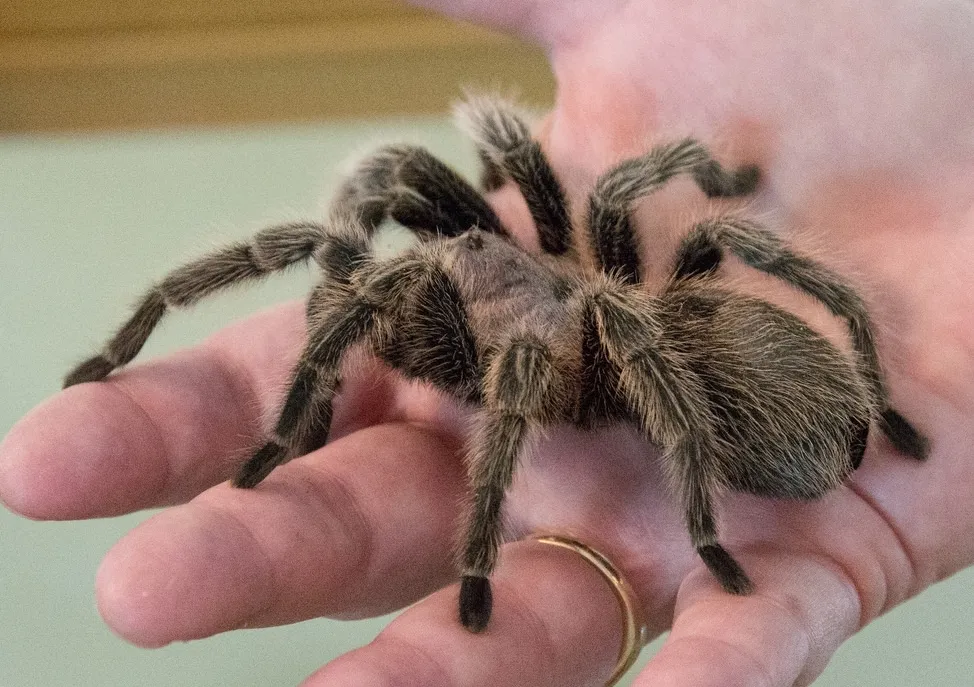
Selecting the right tarantula species is the first and most crucial step. Some species are better suited for beginners due to their docile temperament and ease of care. Consider the following when choosing a species. The Chilean Rose Hair (Grammostola rosea), for example, is known for its gentle nature and tolerance. Other beginner-friendly options include the Pinktoe tarantula (Avicularia avicularia) and the Curly Hair tarantula (Tliltocatl albopilosus). Research the specific needs of each species, including their size, habitat requirements, and dietary preferences. It’s also important to consider the tarantula’s origin and any specific environmental needs that mimic its natural habitat, contributing to its overall health and longevity. Understanding these factors ensures you can provide an optimal environment for your chosen tarantula.
Temperament and Handling Considerations

Tarantulas can have varying temperaments, and understanding these differences is essential for safe handling and interaction. Some species are more docile and less likely to bite, while others may be defensive and prone to biting or kicking urticating hairs. Always research the temperament of the species you choose. Handling tarantulas should be done cautiously and only when necessary. Tarantulas are fragile creatures; a fall can be fatal. Frequent handling can stress them out. If handling is necessary, do it close to the ground or a soft surface to minimize the risk of injury. Be mindful of your tarantula’s behavior. Signs of stress include raising its front legs in a defensive posture or flicking hairs. Respect these signals and avoid further interaction. Prioritizing your tarantula’s well-being ensures a positive and safe experience for both of you. (Image tarantula handling)
Setting Up the Perfect Tarantula Enclosure
A well-designed enclosure is vital for your tarantula’s health and happiness. The enclosure should mimic the tarantula’s natural habitat, providing a comfortable and secure environment. The size, substrate, and accessories all play important roles in creating the perfect home for your tarantula. A properly set-up enclosure not only ensures the tarantula’s physical well-being but also provides it with a sense of security, which is crucial for its overall health and behavior. A well-designed enclosure is aesthetically pleasing, making it a rewarding experience for the tarantula owner.
Enclosure Size and Type
The size of the enclosure depends on the tarantula’s size and species. A good rule of thumb is to provide an enclosure that is at least twice the tarantula’s leg span in width and length. For terrestrial species, the height of the enclosure should be sufficient for the tarantula to move around without difficulty, while arboreal species need more vertical space. Different types of enclosures are available, including glass tanks, plastic terrariums, and specialized tarantula enclosures. Ensure the enclosure has secure ventilation to prevent the buildup of humidity and the growth of mold. The enclosure should have a secure lid to prevent escape and protect your tarantula. Choosing the right enclosure size and type is the foundation for a healthy and secure habitat.
Substrate Selection

The substrate is the bedding material in the enclosure, and it serves several important functions. It provides a surface for the tarantula to walk on, helps to maintain humidity, and allows the tarantula to burrow if it’s a terrestrial species. Good substrate options include coconut fiber, peat moss, and a mixture of these materials. Avoid substrates that are toxic or can cause harm to the tarantula. The substrate should be deep enough for the tarantula to burrow comfortably, if applicable. Regular substrate changes are necessary to maintain hygiene and prevent the buildup of waste and mold. The right substrate is essential for creating a healthy and comfortable environment, supporting the tarantula’s natural behaviors and overall well-being. (Image tarantula enclosure)
Essential Enclosure Accessories
Adding essential accessories enhances the enclosure and provides enrichment for your tarantula. These accessories provide shelter, hydration, and environmental enrichment. Provide a water dish, shallow and easily accessible, for hydration. Include a hide, such as a piece of cork bark or a half-log, to provide a secure retreat where the tarantula can feel safe and protected. The presence of a hide reduces stress and encourages natural behaviors. Decorate the enclosure with non-toxic plants and other natural elements to create a more stimulating environment. Ensure all accessories are securely placed and won’t fall on the tarantula. These elements enrich the enclosure, making it a more natural and stimulating environment for your tarantula.
Maintaining Optimal Humidity and Temperature
Maintaining the correct humidity and temperature levels is crucial for your tarantula’s health. Different species have different requirements, so research the specific needs of your tarantula. Monitor humidity levels using a hygrometer and adjust them by misting the enclosure with water or providing a larger water dish. Ensure proper ventilation to prevent excessive humidity and the growth of mold. Use a heat source, such as a heat mat or a ceramic heat emitter, to maintain the appropriate temperature. Place the heat source outside the enclosure to avoid direct contact with the tarantula. Regular monitoring and adjustments are necessary to maintain an optimal environment, ensuring your tarantula thrives. (Image tarantula water)
Feeding Your Tarantula

Feeding your tarantula is a straightforward process, but it’s important to get it right to ensure your tarantula stays healthy. Tarantulas are carnivores and primarily feed on insects. Understanding the appropriate food types, feeding frequency, and portion sizes is essential. Providing a balanced diet and proper feeding practices are key to supporting the tarantula’s growth, energy levels, and overall vitality. A well-fed tarantula is a healthy tarantula. The feeding process is not only essential for nourishment but also provides an opportunity for observation and interaction.
What to Feed Your Tarantula
Tarantulas typically eat insects such as crickets, mealworms, and roaches. The insects should be gut-loaded with nutritious food before feeding to your tarantula to provide essential nutrients. The size of the prey should be appropriate for the tarantula’s size, with the general rule of thumb being that the prey should be no larger than the tarantula’s abdomen. Variety in the diet is also beneficial; try offering different types of insects to provide a range of nutrients and prevent nutritional deficiencies. Avoid feeding your tarantula wild-caught insects, as they may carry parasites or pesticides. Ensure the prey is free from chemicals and is a healthy, safe food source for your tarantula. (Image tarantula feeding)
Feeding Frequency and Portion Sizes
The feeding frequency depends on the tarantula’s age, species, and metabolism. Spiderlings, young tarantulas, need to be fed more frequently, often every few days. Adult tarantulas can be fed less frequently, perhaps once or twice a week. Observe your tarantula’s behavior to determine its feeding needs. A tarantula that is always hungry and actively hunts may need more food, while a tarantula that refuses food may be full. The portion size should be appropriate for the tarantula’s size. Remove any uneaten prey within 24 hours to prevent stress and the potential for the prey to harm the tarantula. Adjust the feeding schedule based on your tarantula’s molting cycle, as they often do not eat before or during molting.
Watering and Hydration

Providing a constant source of fresh water is essential for your tarantula. Use a shallow water dish that is easily accessible. Ensure the water dish is cleaned regularly to prevent the growth of bacteria. Some tarantulas also get water from the moisture in their food. In addition to the water dish, you can mist the enclosure occasionally to maintain humidity, especially for species that require higher humidity levels. Always use dechlorinated water, as chlorine can be harmful to tarantulas. Regular hydration is crucial for your tarantula’s health, assisting in bodily functions and supporting the molting process. (Image tarantula water)
Tarantula Health and Wellness
Keeping your tarantula healthy involves understanding common health issues and knowing when to seek veterinary care. Regular monitoring of your tarantula’s behavior, appearance, and overall condition is essential. Creating a healthy and stress-free environment plays a significant role in preventing illness. Recognizing early signs of health problems and knowing how to address them can help ensure your tarantula lives a long and healthy life. Proactive care and vigilance are key to promoting the well-being of your tarantula.
Identifying Common Health Issues
Tarantulas are generally hardy creatures, but they can still encounter health issues. Common problems include dehydration, mites, and fungal infections. Dehydration can be identified by a shriveled abdomen; ensure your tarantula has access to water. Mites can be seen as tiny moving specks on the tarantula’s body; if suspected, isolate the tarantula and consult a veterinarian. Fungal infections can appear as discolored patches or lesions; maintain the correct humidity levels to prevent these. Monitor your tarantula’s feeding behavior, activity levels, and molting process for any signs of health problems. Act quickly at the first sign of illness to ensure the best possible outcome. Early detection and treatment are key to addressing potential health issues.
Shedding Process and What to Expect

Molting is a natural process where tarantulas shed their exoskeletons to grow. During molting, the tarantula will typically stop eating, and its appearance may change. Before molting, the tarantula might become lethargic and build a web mat or flip onto its back. The molting process can take several hours or even days. Do not disturb the tarantula during molting; it’s a vulnerable time. After molting, the tarantula’s new exoskeleton will be soft and delicate. It will need time to harden. Avoid feeding your tarantula for a few days after molting, as its fangs will be soft and not fully functional. Molting is a sign of growth, so support your tarantula by providing a stable, stress-free environment during this process. (Image tarantula molting)
When to Seek Veterinary Care
While tarantulas are relatively low-maintenance pets, there will be times when professional veterinary care is necessary. Consult a veterinarian specializing in exotic pets if your tarantula shows signs of illness, such as lethargy, loss of appetite for an extended period, or unusual behavior. Seek immediate veterinary care if you observe any injuries or infestations, like mites. It is important to research exotic pet veterinarians in your area. If you notice that your tarantula has a swollen abdomen, is unable to molt properly, or has any other concerning symptoms, contact a vet. Early intervention often leads to better outcomes, so don’t hesitate to seek professional help when needed. (Image tarantula health)
Handling Your Tarantula Safely
While many tarantula species are docile, handling them should be done with caution. Proper preparation, safe techniques, and aftercare are essential for minimizing the risk of injury to both you and your tarantula. Remember that tarantulas are delicate creatures. Handling should be kept to a minimum. Always prioritize the tarantula’s well-being and safety, as stress can be detrimental to their health. Taking a cautious approach and following safe handling practices helps ensure a positive experience for both the owner and the tarantula.
Preparing for Handling

Before handling your tarantula, prepare yourself and the environment. Always handle the tarantula in a controlled environment, such as a room where you can easily catch it if it escapes. Ensure the environment is free from potential hazards, such as other pets or objects that could harm the tarantula. Wash your hands thoroughly before handling to remove any chemicals or scents that could be irritating. Use a soft, flat surface, such as a table or the floor, to reduce the risk of injury if the tarantula falls. Handle the tarantula when it is calm and relaxed. Never handle a tarantula that is stressed or showing defensive behaviors.
Safe Handling Techniques
Approach the tarantula slowly and gently. Use a soft brush or a similar tool to gently encourage the tarantula to walk onto your hand. Avoid quick movements or any actions that might startle or frighten the tarantula. Always keep your hand close to the ground, to prevent any injury from falls. Support the tarantula’s body by gently cupping your hands underneath its legs, allowing it to walk on your palm or fingers. Never grab or squeeze the tarantula. Monitor the tarantula’s behavior during handling. If it shows signs of stress, such as raising its front legs or flicking hairs, gently place it back into its enclosure. Handle the tarantula for only a short period and do not attempt handling if you are not completely comfortable.
Post-Handling Care
After handling, wash your hands thoroughly to remove any potential irritants or allergens. Observe your tarantula for any signs of stress, such as unusual behavior or changes in appetite. Return the tarantula to its enclosure gently and carefully. Provide fresh water and ensure the enclosure environment is suitable for their needs. Monitor the tarantula in the days following handling for any signs of stress or injury. Handling your tarantula should always be a positive experience for both you and the animal. Be attentive to your tarantula’s needs and behavior, ensuring a safe and enjoyable experience for both. Regular assessment helps promote the tarantula’s well-being.
Conclusion
Caring for a tarantula can be a rewarding experience. By following these easy steps, you can provide your tarantula with the best possible care, ensuring a long and healthy life. Always do your research, understand the specific needs of your chosen species, and prioritize your tarantula’s well-being. Creating a safe and enriching environment, providing the right food and water, and handling with care are key to success. Enjoy the journey of tarantula ownership, and appreciate the unique beauty and behavior of these fascinating creatures. Remember, responsible pet ownership is not only about providing the necessities but also about creating a bond of respect and care. With proper care, your tarantula can thrive and become a cherished member of your family.