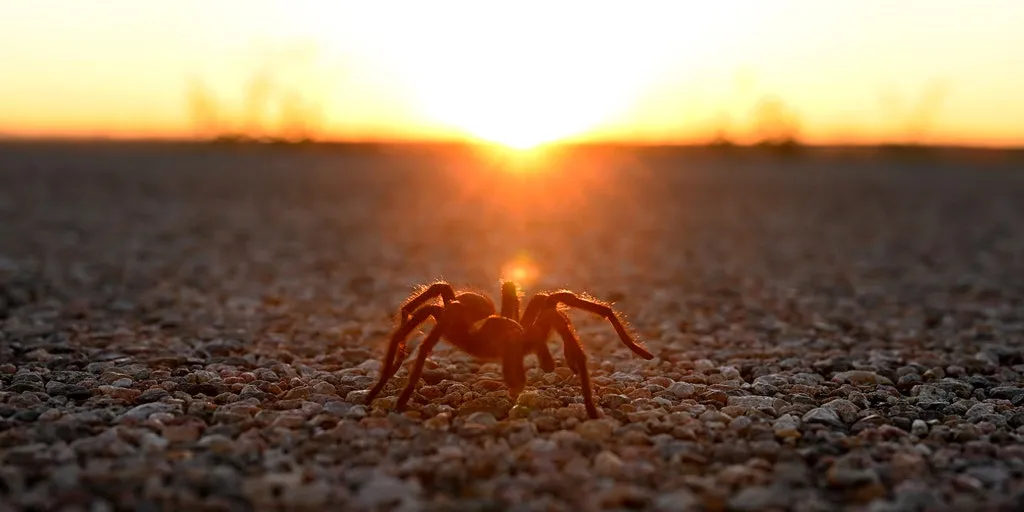
Tarantula breeding, while fascinating, can be a delicate process. Numerous factors can lead to a breeding attempt gone wrong, resulting in the loss of valuable spiders or a failed breeding cycle. Understanding these potential pitfalls and implementing preventative measures is crucial for successful tarantula propagation. This guide explores the common reasons why tarantula breeding can go awry and provides essential tips to minimize the risks and maximize the chances of a successful breeding outcome. By learning from potential mistakes, you can increase your chances of witnessing the miracle of new spiderlings.
Why Tarantula Breeding Goes Wrong
Several interconnected issues can contribute to tarantula breeding failures. These problems often stem from a lack of preparation, improper environmental conditions, or the inherent behaviors of the spiders themselves. A thorough understanding of these potential issues is the first step toward mitigating them and ensuring a safer and more successful breeding attempt.
Mismatched Temperaments
Tarantulas, despite their size, can be surprisingly sensitive creatures. Personality clashes between potential mates are a common source of problems. The success of a breeding attempt relies heavily on the compatibility of the male and female tarantulas involved. Even if both spiders are otherwise healthy and prepared, incompatible temperaments can lead to aggressive behaviors, potentially ending the breeding attempt before it even begins.
Aggression from the Female

The female tarantula is typically the dominant partner. If she is not receptive to the male’s advances, or if she is particularly aggressive, she may attack and even kill the male. This can happen quickly and with devastating results. Recognizing signs of aggression early is vital. This includes threat postures, such as raised front legs or a defensive stance. Proper monitoring of the pair during the introduction is crucial to preventing this.
Aggression from the Male
Though less common, male tarantulas can also exhibit aggression, particularly if they feel threatened or insecure in the presence of the female. A male tarantula that is not fully mature or is otherwise stressed may act defensively, potentially attacking the female. This can lead to the same unfortunate outcome as aggression from the female. It is important to ensure the male is healthy and confident before the introduction.
Improper Enclosure Conditions
The environment in which tarantulas are kept plays a significant role in their overall health and breeding success. Incorrect environmental conditions can stress the tarantulas, making them less likely to breed or leading to other complications.
Temperature and Humidity Imbalances

Tarantulas thrive within a specific range of temperature and humidity. Deviations from these ranges can negatively impact their health and reproductive capabilities. Both high and low temperatures and humidity can be detrimental. Carefully monitor and regulate these conditions to ensure the well-being of the tarantulas.
Insufficient Space
Overcrowding can increase stress and competition among tarantulas. A small enclosure restricts movement and can make it difficult for the male to approach the female safely, or for the female to feel secure. Providing adequate space is essential for both the physical and psychological well-being of the tarantulas.
Nutritional Deficiencies
Tarantulas require a balanced diet to produce viable eggs and healthy sperm. Nutritional deficiencies can lead to poor egg quality, decreased sperm production, or even a failure to breed. A varied diet that includes appropriate prey items is crucial for maintaining the tarantulas’ health and reproductive success.
Impact on Sperm Production and Egg Laying

Poor nutrition directly affects sperm production in males and egg development in females. Deficiencies in essential nutrients, such as proteins and vitamins, can reduce the quantity and quality of sperm and eggs, reducing the chances of successful fertilization. This is especially important as the female needs to consume enough nutrients to sustain her and develop the eggs.
Consequences of Breeding Failure
When tarantula breeding goes wrong, there are several potential negative consequences. These outcomes can range from the loss of a valuable tarantula to the disappointment of a failed breeding attempt. Understanding these consequences can help you to be prepared and act accordingly.
Loss of the Male
One of the most common and heartbreaking outcomes is the death of the male tarantula. This can occur if the female is not receptive and attacks him or if the environment is not suitable, causing the male to become stressed and vulnerable. It’s crucial to monitor the breeding attempt closely and separate the pair immediately if aggression is observed.
Female Cannibalism

In some cases, the female tarantula may eat the male even after mating. This is often due to a combination of factors, including hunger, stress, or incompatibility. Cannibalism is a tragic but not uncommon consequence of tarantula breeding. Providing ample food for the female after mating can reduce the likelihood of this behavior. Careful observation is key.
Infertility and Failed Egg Sacs
Even if mating occurs, the breeding attempt may still fail. If the male’s sperm is not viable, or if the female’s eggs are infertile, no spiderlings will hatch. Additionally, the female may produce an egg sac but fail to care for it properly, leading to the eggs’ demise. This can be a result of several factors, including poor diet, stress, and unsuitable environmental conditions. It can also result from the fact that they are not ready to reproduce. This is why it is recommended to only breed adult tarantulas.
Preventing Breeding Disasters
While breeding tarantulas involves inherent risks, there are several steps you can take to minimize the chances of disaster and increase your chances of success. Proper preparation, careful monitoring, and attentive post-mating care are essential components of a successful breeding attempt.
Pre-Mating Preparation

The key to successful tarantula breeding is preparation. Proper planning and setup greatly reduce the likelihood of things going wrong. This includes carefully selecting the tarantulas, preparing their environment, and understanding the mating process.
Selecting Healthy Tarantulas
The health and well-being of the tarantulas are paramount. Choose specimens that are mature, healthy, and free from any signs of illness or injury. It is recommended to breed only adult tarantulas. Observe them for several weeks before attempting to breed them, ensuring they are eating well and exhibiting normal behavior. Ideally, get your tarantulas from a reputable breeder.
Optimizing the Enclosure
Prepare the enclosure well in advance of the breeding attempt. Make sure the enclosure provides an optimal environment for both the male and the female. This involves maintaining appropriate temperature and humidity levels, and providing plenty of space. The enclosure should be large enough to accommodate the spiders comfortably, with plenty of hides and substrate for burrowing.
Monitoring the Mating Process

Constant observation during the mating process is crucial. Be ready to intervene if any issues arise. This will help prevent disaster and allow for quick action if necessary.
Safe Introduction and Observation
Introduce the male to the female’s enclosure cautiously. Be prepared to separate them immediately if the female shows signs of aggression. Observe their behavior closely, looking for signs of a successful mating attempt. The male should be given a clear exit strategy or the option to retreat.
Post-Mating Care
After mating, the female’s needs change. Provide her with the proper care to ensure the health of both her and her developing eggs. This includes providing more food, ensuring the enclosure is suitable for egg laying, and monitoring her for signs of problems.
Caring for the Female and Eggs

After mating, feed the female a varied and nutritious diet to support egg development. Maintain the correct temperature and humidity levels to ensure a good environment for the eggs. Monitor her for signs of egg sac production, and provide a suitable nesting area within the enclosure. Make sure to leave the female alone, to provide the best possible environment.
Dealing with Problems
Even with careful preparation, problems can arise. Knowing how to respond to these situations is critical to minimizing damage and maximizing the chances of success.
Separation and Intervention
If you observe aggression or other problems, separate the tarantulas immediately. If a female is not properly caring for her eggs, you may need to intervene to prevent the loss of the eggs. If you have a good understanding of the species, you can consider artificially incubating the eggs or raising the spiderlings yourself. This is only recommended for experienced breeders.
Finding Help
If you have questions or encounter a difficult situation, seek help from experienced breeders or online resources. Many online forums and communities can provide invaluable advice and support. Do not be afraid to ask for help from more experienced breeders, as they can provide invaluable advice and help you learn from your mistakes.
In conclusion, tarantula breeding can be a rewarding experience, but it’s not without its challenges. By understanding the potential pitfalls and taking the necessary precautions, you can significantly increase your chances of success and avoid breeding disasters. Careful preparation, attentive monitoring, and a willingness to learn from both successes and failures are the keys to a rewarding experience in tarantula propagation. Always prioritize the well-being of the tarantulas and be ready to adapt your approach as needed. Enjoy the process and the fascinating world of these amazing arachnids.