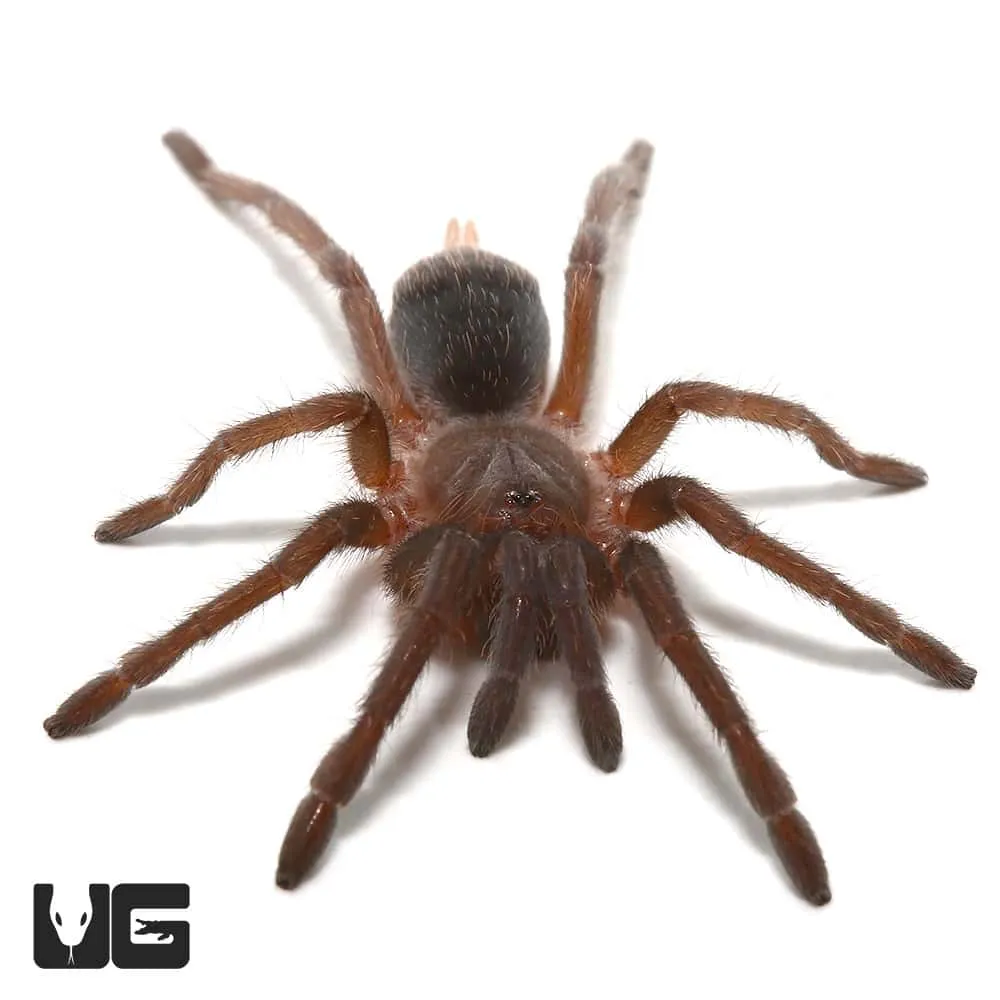
The world of tarantulas is captivating, and the Stripe Knee Tarantula (Aphonopelma seemanni) is a favorite among enthusiasts. Understanding the Stripe Knee Tarantula lifespan is crucial for responsible pet ownership, allowing you to provide the best care possible and appreciate these fascinating creatures for as long as they thrive. This guide unveils the secrets of their longevity, offering insights into the factors that influence how long your stripe knee tarantula might live. From diet and environment to health and well-being, we’ll cover everything you need to know to help your tarantula live a long, healthy life. Read on to discover the top facts about the Stripe Knee Tarantula lifespan.
What is the Average Stripe Knee Tarantula Lifespan
The lifespan of a Stripe Knee Tarantula varies, influenced by several factors including its gender and the conditions it lives in. Generally, female Stripe Knee Tarantulas tend to live significantly longer than males. On average, a female can live for 10 to 20 years, and sometimes even longer under optimal care. Males, however, have a much shorter lifespan, typically living for only 3 to 5 years. This difference is primarily due to the male’s life cycle, which is geared towards reproduction after reaching maturity. The lifespan is an essential aspect of their care, so it is important to understand these differences when planning to get a pet tarantula.
Lifespan Factors for Stripe Knee Tarantulas
Gender and Lifespan

Male Stripe Knee Tarantulas
As mentioned, male Stripe Knee Tarantulas have a shorter lifespan. After reaching maturity, which usually occurs within a few years, they focus on mating. They will often stop eating or eat less, and their primary goal becomes finding a mate. This behavior, coupled with the physical stress of mating, contributes to their shorter lives. Recognizing the signs of maturity in a male, such as the presence of palpal bulbs (mating organs) on their pedipalps, is essential for understanding their life cycle. It is important to provide a suitable environment during this period.
Female Stripe Knee Tarantulas
Female Stripe Knee Tarantulas, on the other hand, have a much longer lifespan, often living for well over a decade. They continue to molt throughout their lives, though the frequency decreases as they age. Their longer lifespans make them appealing pets for those seeking a longer-term commitment. The females can also reproduce, which brings a new dynamic and care requirements for any enthusiast who breeds these tarantulas. Understanding the longer lifespan of females allows for better planning and care.
Diet and Nutrition’s Impact

Feeding Habits and Prey
A balanced diet is crucial for a Stripe Knee Tarantula’s health and longevity. These tarantulas are primarily insectivores, meaning they feed on insects. Providing a varied diet of appropriately sized insects, such as crickets, mealworms, and roaches, is essential. The frequency of feeding should be adjusted based on the tarantula’s age and size, with younger tarantulas needing more frequent meals. Overfeeding can lead to health issues, so it is also important to monitor your tarantula’s body condition and adjust the diet as necessary. Providing the right food is key for a long lifespan.
Importance of Hydration
Hydration is equally important as diet. Stripe Knee Tarantulas need a constant supply of fresh water. This can be provided through a shallow water dish in their enclosure. The water should be changed regularly to prevent contamination. Misting the enclosure can also help maintain humidity levels, which is crucial for the tarantula’s molting process and overall well-being. Dehydration can lead to health problems and shorten a tarantula’s lifespan, so proper hydration should always be a priority. Ensuring there is enough water will greatly influence a tarantula lifespan.
Environmental Conditions and Lifespan

Temperature and Humidity Requirements
Maintaining the right environmental conditions is critical for the health and longevity of a Stripe Knee Tarantula. These tarantulas thrive in specific temperature and humidity ranges. The ideal temperature is generally between 75°F and 85°F (24°C and 29°C). Humidity should be kept between 60% and 70%. Using a reliable thermometer and hygrometer to monitor these levels is recommended. Providing the right temperature and humidity will help the tarantula thrive.
Substrate and Enclosure Considerations
The enclosure and substrate also play essential roles in a Stripe Knee Tarantula’s well-being. A suitable enclosure provides a safe and secure environment. The enclosure should be large enough for the tarantula to move around and have enough space to burrow. The substrate, which can consist of a mix of peat moss, vermiculite, and coconut fiber, helps maintain humidity and provides a place for the tarantula to burrow. Regular cleaning of the enclosure and substrate changes are essential to prevent the build-up of waste and maintain a healthy environment. A good enclosure will help boost the tarantula lifespan.
Common Health Issues and Lifespan

Mites and Parasites
Like any pet, Stripe Knee Tarantulas can be susceptible to health issues that can affect their lifespan. Mites and parasites are among the most common problems. Mites can infest the tarantula’s body and enclosure, causing irritation and potentially transmitting diseases. Regular inspection of the tarantula and its enclosure can help detect and address these issues early. If mites are detected, immediate treatment is necessary, and this may involve cleaning the enclosure and treating the tarantula with appropriate medications. Parasites are also a risk to the tarantula’s health.
Molting Problems
Molting is a natural process for tarantulas, but it can sometimes lead to problems. If the humidity is too low or if the tarantula is stressed, it may have difficulty molting, which can be fatal. Providing the right environmental conditions, particularly humidity, and avoiding disturbance during the molting process are crucial. If a tarantula has trouble molting, it is important to seek advice from an experienced tarantula keeper or a veterinarian familiar with arachnids. Avoiding molting issues will help the tarantula have a longer lifespan.
Tips for Extending Your Tarantula’s Life

Providing a Safe and Stress-Free Environment
Creating a safe and stress-free environment is key to extending the lifespan of your Stripe Knee Tarantula. This includes providing a secure enclosure, avoiding unnecessary handling, and minimizing disturbances. Loud noises, sudden movements, and other stressors can negatively impact the tarantula’s health and potentially shorten its lifespan. Allowing them to be alone, undisturbed, in their enclosure is important for their well-being. Stress-free environment leads to a longer lifespan.
Regular Veterinary Check-ups
While tarantulas don’t require regular veterinary check-ups in the same way as some other pets, it’s wise to consult a veterinarian with experience in exotic animals or arachnids if you notice any signs of illness or distress. Early detection and treatment of health issues can significantly improve the tarantula’s chances of living a long and healthy life. A qualified vet will be able to assist the owner to ensure the tarantula is healthy. Providing the right care will help boost the tarantula lifespan.
In conclusion, the Stripe Knee Tarantula can be a long-lived pet, especially the females, with the right care and attention. Understanding the factors that influence their lifespan, from gender and diet to environment and health, is essential for providing them with the best possible life. By following the tips and guidelines outlined in this article, you can help your Stripe Knee Tarantula thrive for many years to come, and experience the unique joys of owning and caring for these remarkable creatures. Enjoying the company of a healthy tarantula is a reward in itself.