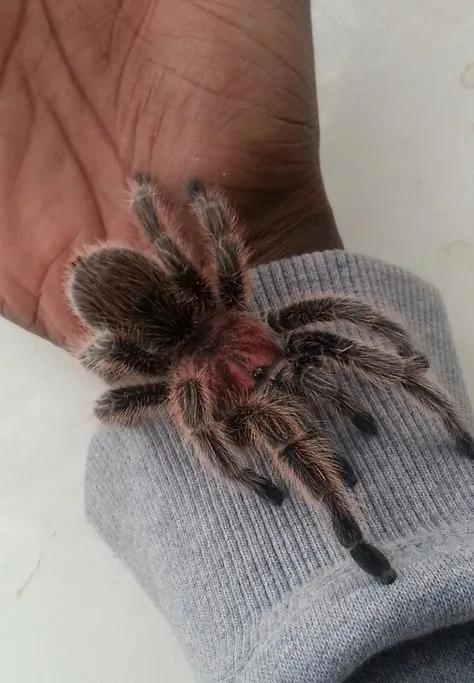
Understanding Rose Hair Tarantula Temperature Needs
Caring for a Rose Hair Tarantula, like any pet, involves understanding its specific needs. Temperature is a crucial factor, significantly impacting their well-being, activity levels, and overall health. Native to the arid regions of Chile, Rose Hair Tarantulas have adapted to specific environmental conditions. Replicating these conditions in their captive environment is essential for their survival and longevity. This guide provides insights into the ideal temperature range, the impacts of temperature on their health, and essential tips to create a thriving habitat. Understanding the importance of temperature control is the first step toward ensuring your tarantula lives a long, healthy, and happy life.
Optimal Temperature Range for Rose Hair Tarantulas
The ideal temperature range for Rose Hair Tarantulas generally falls between 75°F to 80°F (24°C to 27°C). Maintaining this temperature range is vital to replicate their natural habitat and ensure they are comfortable. While they can tolerate slight variations, prolonged exposure to temperatures outside this range can lead to stress and health issues. It’s crucial to aim for a stable environment within this temperature range to ensure they can digest food properly, molt successfully, and exhibit normal behaviors. Consistent monitoring and adjustments are essential for maintaining this optimal range throughout the day and night.
Impact of Temperature on Rose Hair Tarantula Health

Temperature directly influences a Rose Hair Tarantula’s metabolism and overall health. When the temperature is within the optimal range, they exhibit a healthy appetite, actively move around, and are more likely to engage in natural behaviors. Proper temperature also plays a significant role in their molting process, as it aids in shedding their exoskeleton successfully. Furthermore, maintaining the right temperature can prevent various health issues, such as sluggishness, refusal to eat, and increased susceptibility to diseases. Providing a comfortable and appropriate thermal environment is a cornerstone of responsible tarantula care.
Signs of Temperature Stress in Rose Hair Tarantulas
Recognizing the signs of temperature stress is crucial for immediate intervention. If your Rose Hair Tarantula is too cold, you might observe a loss of appetite, lethargy, or a slowed response to stimuli. They might also retreat to a corner and remain inactive for extended periods. Conversely, if the temperature is too high, you may notice the tarantula becoming overly active, agitated, or even exhibiting rapid movements. In severe cases, they may attempt to escape their enclosure. Early detection of these signs is critical, and adjusting the temperature promptly can prevent further health complications.
Top 5 Temperature Management Tips for Rose Hair Tarantulas
Using a Thermometer and Hygrometer

Employing a reliable thermometer and hygrometer is fundamental to monitoring the enclosure’s temperature and humidity levels. These devices will provide accurate and consistent readings, allowing you to make informed decisions about the environment. Place the thermometer at the same level as the tarantula, ensuring you get an accurate measurement of the ambient temperature they experience. Regular monitoring with calibrated devices is key to preventing temperature fluctuations and ensuring that your Rose Hair Tarantula is in a comfortable environment. (See image: thermometer-hygrometer.webp)
Choosing the Right Heat Source
The choice of a heat source should prioritize safety and efficiency. Heat lamps, ceramic heat emitters (CHEs), or under-tank heaters (UTHs) are common choices. Heat lamps, like heat lamps in a reptile habitat, provide overhead heat, which mimics the sun, however these must be used in conjunction with a thermostat. CHEs emit infrared heat without light, making them suitable for night use. UTHs are placed on the side of the enclosure, providing gentle heat. Always use a thermostat to regulate the heat source and prevent overheating. (See image: heat-lamp-tarantula.webp)
Maintaining Consistent Temperature
Consistency is key to creating a stable environment for your Rose Hair Tarantula. Avoid placing the enclosure near direct sunlight, drafts, or heat sources like radiators, as these can cause temperature fluctuations. Use a thermostat to regulate the heat source and monitor the temperature regularly. During colder months, additional heating might be necessary, whereas, during warmer months, you might need to adjust the ventilation or heat source to prevent overheating. Strive to maintain a steady, controlled temperature range at all times.
Monitoring and Adjusting Temperatures
Regularly monitor the temperature readings throughout the day and night. Note any fluctuations and make the necessary adjustments to the heat source or ventilation. Keeping a log of temperature readings can help you identify patterns and anticipate potential problems. In the long run, observing your tarantula’s behavior alongside temperature readings can offer insights into its comfort levels. Be proactive in adjusting the environment as needed to maintain the optimal temperature range, based on the data and observation.
Ventilation and Airflow Considerations
Proper ventilation plays a crucial role in maintaining the correct temperature and humidity levels. Ensure the enclosure has adequate airflow to prevent the buildup of excessive moisture and stale air. Proper ventilation helps to regulate temperature and reduces the risk of mold or fungal growth. Avoid enclosures with airtight lids, and instead, opt for those with mesh tops or small air vents. This provides both airflow and helps in temperature regulation, keeping the living environment healthy for the tarantula. (See image: ventilation-tarantula.webp)
Humidity and Temperature Balance
Humidity Requirements for Rose Hair Tarantulas
Rose Hair Tarantulas thrive in moderate humidity levels, typically between 60% and 70%. High humidity can lead to health problems like mold, while low humidity can cause molting issues. Monitoring the humidity level using a hygrometer is essential, and adjustments can be made based on the readings. Misting the enclosure with a spray bottle once or twice a week, or placing a water dish in the enclosure, can help maintain the appropriate humidity level. Providing the right humidity level is crucial for successful molting and overall well-being.
The Relationship Between Temperature and Humidity
Temperature and humidity are interconnected. Higher temperatures can reduce humidity levels, while lower temperatures might increase them. As the temperature rises, the moisture in the enclosure evaporates more quickly. Therefore, adjusting the humidity requires paying attention to temperature changes as well. When increasing the temperature, you may need to mist more frequently to maintain humidity levels. Similarly, during temperature drops, you may need to reduce misting to prevent overly high humidity. Balancing these factors is essential for your Rose Hair Tarantula’s health and environment.
Creating the Ideal Microclimate
Creating the ideal microclimate involves harmonizing temperature and humidity. Ensure the enclosure is well-ventilated, with appropriate heat sources and a stable humidity level. Maintain a warm, humid environment by monitoring and adjusting the temperature and humidity. Consider the substrate you use, which also influences humidity. Substrates like coco fiber can help retain moisture and maintain a higher humidity level. By carefully managing these elements, you can create a microclimate that resembles the Rose Hair Tarantula’s natural habitat, supporting their health and well-being.
Common Mistakes to Avoid

Overheating Risks
Overheating can be detrimental to Rose Hair Tarantulas. High temperatures can lead to heat stress, dehydration, and even death. Avoid placing the enclosure in direct sunlight or near other heat sources. Regularly check the temperature with a reliable thermometer and use a thermostat to regulate heat. If the temperature is too high, provide ventilation by slightly opening the enclosure lid and move the enclosure to a cooler location. (See image: overheating-tarantula.webp)
Underheating Concerns
Underheating is also a common mistake. Temperatures below the ideal range can slow down their metabolism, decrease appetite, and make them vulnerable to infections. Always ensure you have a reliable heat source that can maintain a consistent temperature. If the enclosure is too cold, use a heat lamp or UTH, and monitor the temperature to ensure that it reaches the correct level. Do not let the enclosure fall below the optimal temperature range, and adjust your heating setup as needed. (See image: underheating-tarantula.webp)
Neglecting Humidity
Neglecting humidity is another frequent mistake. Both excessively high and low humidity levels can be detrimental. Low humidity can cause problems with molting, and high humidity increases the risk of fungal infections and other health issues. Always monitor humidity levels with a hygrometer and adjust your misting schedule accordingly. Avoid using substrates that are too dry or too wet. Finding the right balance is essential to creating a comfortable environment for your tarantula. (See image: rose-hair-tarantula-molting.webp)
Conclusion
Maintaining the correct temperature and humidity is vital for the health and happiness of your Rose Hair Tarantula. By understanding their needs, regularly monitoring the environment, and making the necessary adjustments, you can create a thriving habitat. Prioritize these key factors, and your Rose Hair Tarantula will thrive. Remember that consistency is critical, and paying close attention to these details ensures your pet’s well-being and helps you build a rewarding relationship with your fascinating arachnid. Happy tarantula keeping!