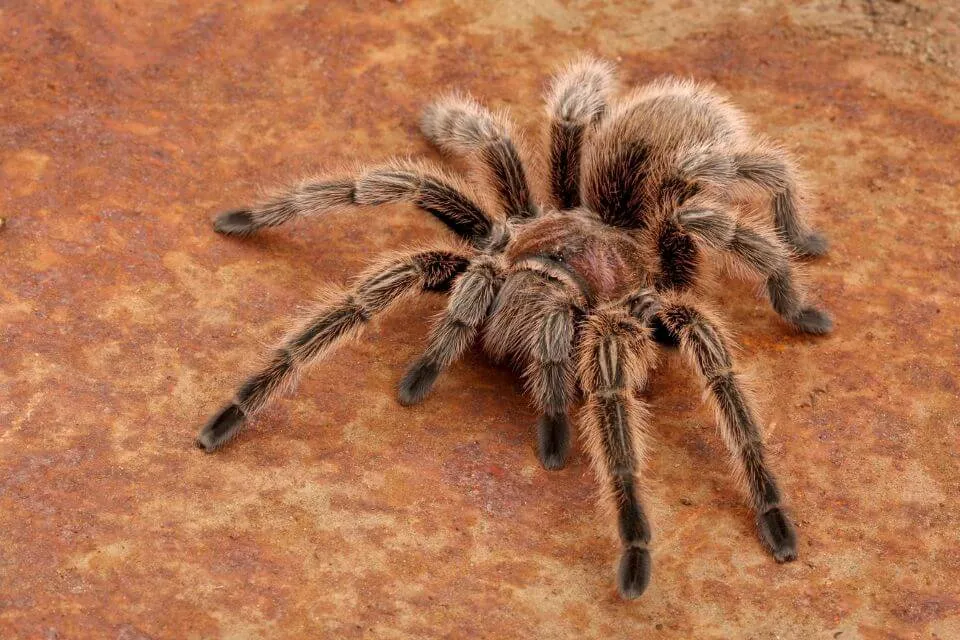
The Rose Hair Tarantula (Grammostola rosea) is a popular pet due to its docile nature, relatively low maintenance, and beautiful appearance. This comprehensive care guide will provide you with all the necessary information to successfully keep a Rose Hair Tarantula happy and healthy. From choosing your tarantula to setting up its habitat, feeding, and understanding its behavior, this guide covers everything you need to know to become a responsible and informed Rose Hair Tarantula owner.
Choosing Your Rose Hair Tarantula
Selecting a healthy Rose Hair Tarantula is the first and most crucial step in ensuring its well-being. A healthy tarantula will be more likely to thrive in your care, providing you with years of enjoyment. Take your time and be thorough when selecting your new pet, and do not hesitate to ask the seller questions about the tarantula’s history and care.
Selecting a Healthy Tarantula
A healthy Rose Hair Tarantula should exhibit several key characteristics. Look for a tarantula that is alert and responsive to its environment. Avoid tarantulas that appear sluggish or lethargic. The abdomen should be plump and not shrunken, indicating that the tarantula is well-fed. The fangs should be intact, and the legs should be complete and not missing any limbs. Check for any signs of mites or other parasites, which can be detrimental to the tarantula’s health. A healthy tarantula will move with confidence and have a glossy appearance.
What to Look For

When examining a Rose Hair Tarantula, pay close attention to its overall condition. A healthy tarantula will have a clean and well-maintained appearance. Look for any signs of injury or disease. Ensure that the tarantula’s exoskeleton is intact and free from any damage. Check for any discoloration or unusual markings on the abdomen or legs. Inspect the area around the fangs for any signs of infection or damage. The tarantula should be able to move its legs freely and with coordination. The presence of these factors suggests a healthy and well-cared-for tarantula.
Where to Buy Your Tarantula
It is essential to purchase your Rose Hair Tarantula from a reputable source. Local pet stores specializing in exotic animals are a good option, but ensure they have experience with tarantulas and can provide proper care advice. Online retailers can also be a convenient choice, but make sure the seller has positive reviews and a good reputation for shipping live animals. Consider attending reptile shows or expos, where you can meet breeders and see a variety of tarantulas in person. Always inquire about the tarantula’s origin, age, and feeding history before making a purchase.
Setting Up the Perfect Rose Hair Tarantula Habitat
Creating the right environment is crucial for your Rose Hair Tarantula’s health and happiness. The habitat should mimic the tarantula’s natural environment as closely as possible. This involves providing the right enclosure size, substrate, decorations, temperature, and humidity levels. A well-designed habitat will not only make your tarantula feel comfortable but also provide a visually appealing display for you to enjoy.
The Right Enclosure Size

The enclosure size depends on the size of your tarantula. For a juvenile Rose Hair Tarantula, a 5-gallon tank is suitable. As the tarantula grows, you will need to upgrade to a larger enclosure. An adult Rose Hair Tarantula typically requires a 10-20 gallon tank. The enclosure should be wider than it is tall, as Rose Hair Tarantulas are terrestrial and do not climb much. Ensure the enclosure has a secure lid to prevent escapes. The lid should have adequate ventilation to maintain the correct humidity levels while preventing condensation buildup.
Substrate and Decorations
The substrate is the bedding material that lines the bottom of the enclosure. It serves several purposes, including absorbing moisture, providing a surface for the tarantula to walk on, and allowing it to burrow. A good substrate for Rose Hair Tarantulas includes a mix of peat moss, coconut fiber, and a bit of vermiculite. The substrate should be at least 3-4 inches deep to allow for burrowing. Decorations can enrich the environment. Provide a hide, such as a piece of cork bark or a half-log, where your tarantula can feel secure. Add a shallow water dish that is easily accessible and cannot be tipped over. You can also incorporate artificial plants to add visual interest and provide additional hiding places.
Temperature and Humidity Control
Rose Hair Tarantulas thrive in a temperature range of 75-85°F (24-29°C). You can use a heat pad or a heat lamp to maintain the desired temperature. Place the heat source on the side of the enclosure, not directly underneath, to prevent overheating. The humidity level should be maintained at 60-70%. You can monitor the humidity with a hygrometer. Mist the enclosure lightly with water every few days to maintain humidity. Avoid over-misting, as this can lead to mold growth. Proper temperature and humidity are essential for your tarantula’s health and molting success.
Feeding Your Rose Hair Tarantula

Proper nutrition is vital for your Rose Hair Tarantula’s growth and well-being. Feeding your tarantula the right food and in the correct amounts will ensure that it remains healthy and active. Overfeeding should be avoided, as it can lead to obesity and health problems. The feeding schedule will vary depending on the tarantula’s age and size.
What to Feed and How Often
Rose Hair Tarantulas are insectivores, meaning they eat insects. The best food for your tarantula is live insects, such as crickets, mealworms, and roaches. The size of the insects should be appropriate for the size of your tarantula; the insects should be no larger than the tarantula’s body. Feed juvenile tarantulas 2-3 times per week. Adult tarantulas can be fed once or twice a week. Remove any uneaten insects within 24 hours to prevent them from stressing the tarantula.
Water and Hydration
Clean, fresh water is essential for your tarantula’s hydration. Provide a shallow water dish that is always available. The water dish should be shallow enough to prevent the tarantula from drowning. Ensure the water dish is regularly cleaned to prevent bacterial growth. Some tarantula keepers also mist the enclosure with water to provide additional moisture. This is particularly important during molting, as it helps the tarantula shed its exoskeleton.
Daily and Weekly Care Routine

Establishing a consistent care routine will help you maintain your Rose Hair Tarantula’s health and well-being. Regular observation, cleaning, and feeding are essential components of this routine. A well-structured care plan will also help you identify any potential problems early, allowing you to provide the necessary care promptly.
Cleaning and Maintenance
Regular cleaning is necessary to maintain a healthy environment for your tarantula. Spot-clean the enclosure weekly, removing any uneaten food, molted exoskeletons, and waste. The substrate should be partially replaced every few months, depending on the size of the enclosure and the tarantula’s waste production. The water dish should be cleaned and refilled with fresh water daily. Every 6-12 months you should consider a complete substrate change. Use a reptile-safe disinfectant to clean the enclosure during substrate changes. Avoid using harsh chemicals that can harm your tarantula.
Handling Your Tarantula
Rose Hair Tarantulas are generally docile, but handling them is not always recommended. Tarantulas can be easily injured if dropped, and they may bite if they feel threatened. If you choose to handle your tarantula, do so with caution. Move slowly and gently, and avoid sudden movements. Always handle your tarantula over a soft surface, such as a bed or a carpet, in case it falls. Wash your hands thoroughly before and after handling. Always supervise children when they are near the tarantula.
Understanding Rose Hair Tarantula Behavior
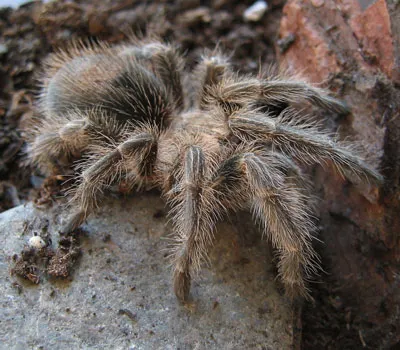
Understanding your Rose Hair Tarantula’s behavior is critical for providing the best possible care. Observing their habits, activities and responses to environmental stimuli is essential. Familiarize yourself with normal behaviors, the molting process, and signs of potential health issues. This knowledge will allow you to quickly identify and address any problems that may arise. Remember that each tarantula has its unique personality, and over time, you will come to recognize and appreciate the individual characteristics of your pet.
Molting Process and What to Expect
Molting is a natural process where tarantulas shed their exoskeletons to grow. Before molting, your tarantula may stop eating, become less active, and may appear to darken in color. It may also create a web mat or block off its burrow. The molting process can take several hours. The tarantula will lie on its back and wriggle out of its old exoskeleton. Do not disturb the tarantula during molting. After molting, the tarantula will be vulnerable and its new exoskeleton will be soft. Do not feed your tarantula for several days after molting to allow its fangs to harden. Make sure to provide the tarantula with high humidity during this process.
Identifying Potential Health Issues
Being able to identify potential health problems is crucial for providing the appropriate care. Look for any changes in your tarantula’s behavior, such as lethargy, loss of appetite, or changes in walking or movement. Examine the tarantula’s body for any signs of injury, mites, or other parasites. If you notice any of these symptoms, consult an experienced tarantula keeper or veterinarian specializing in exotic animals. Early detection and treatment can prevent serious health issues and ensure your tarantula’s well-being.
Common Problems and Solutions
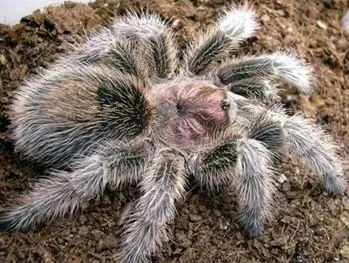
Several common problems can affect Rose Hair Tarantulas, including dehydration, mites, and injuries. Dehydration can be caused by low humidity or lack of access to water. Ensure your tarantula has a constant supply of fresh water and that the humidity levels are appropriate. Mites can be a nuisance and can be treated with mite-killing products. Injuries can occur from falls or from contact with sharp objects. Provide a safe environment and avoid handling your tarantula unnecessarily. If you notice an injury, consult with a veterinarian or experienced tarantula keeper.
Breeding Rose Hair Tarantulas
Breeding Rose Hair Tarantulas is a complex process that requires a good understanding of their reproductive cycle. It involves introducing a mature male to a receptive female. If successful, the female will produce an egg sac. The egg sac will contain a clutch of eggs that will hatch into spiderlings. Breeding tarantulas requires knowledge of their mating behavior and a suitable environment. This process is best left to experienced breeders. If you want to learn more about this, then you should seek guidance from experienced breeders.
By following this comprehensive care guide, you will be well-equipped to provide a healthy and enriching environment for your Rose Hair Tarantula. With proper care and attention, your tarantula can thrive and bring you years of enjoyment. Remember to always observe your tarantula, learn from your experiences, and continue to seek information to improve your care practices.