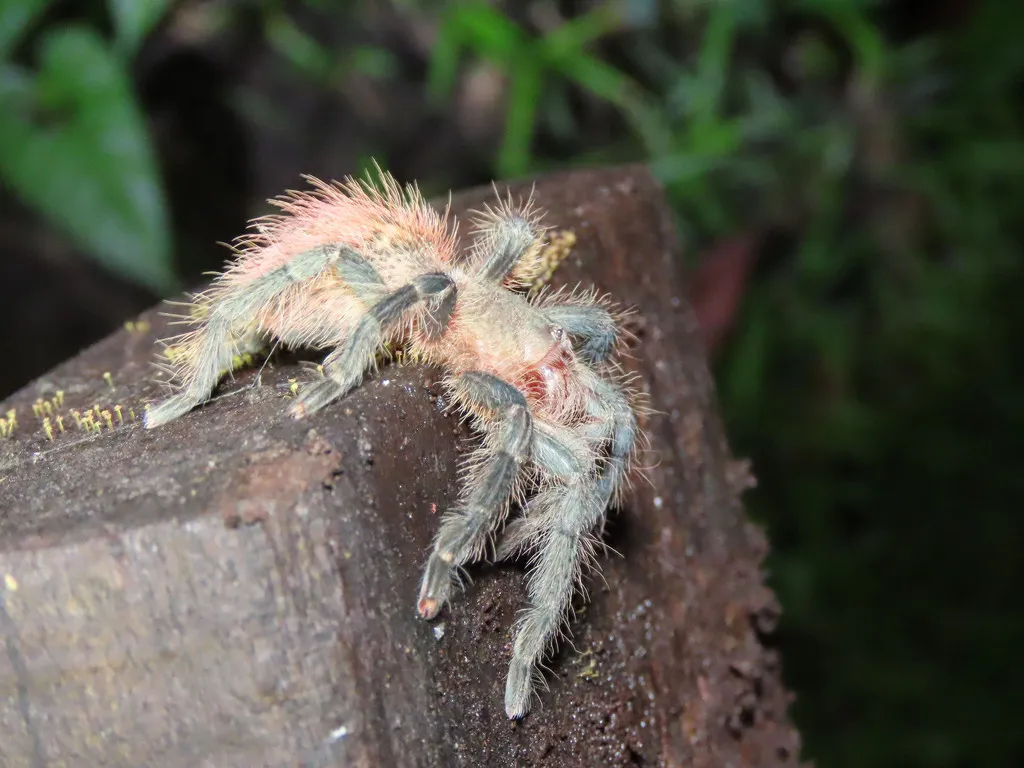
Red Rump Tarantula Top 7 Facts
The Red Rump Tarantula (Brachypelma vagans) is a fascinating creature, captivating enthusiasts with its striking appearance and intriguing behavior. This article unveils seven key facts about this popular pet tarantula, providing valuable insights for both potential owners and those simply curious about the species. From their physical attributes to their care requirements, we’ll explore the essential aspects that make the Red Rump Tarantula a unique and engaging addition to the world of exotic pets. Get ready to dive into the world of this captivating arachnid and discover what makes it so special.
Appearance and Characteristics
Red Rump Tarantulas are visually stunning creatures. Their appearance is a significant draw for many keepers, making them a sought-after species in the pet trade. Understanding their size, coloration, and unique markings is key to appreciating their beauty and identifying a healthy specimen. These features also play a role in understanding their natural behaviors and adapting their care to suit their specific needs. The following sections dive deeper into the specific aspects of their physical traits.
Size and Physical Traits

Red Rump Tarantulas are moderately sized tarantulas, typically reaching a leg span of about 5 to 6 inches. Their bodies are relatively compact compared to some other tarantula species. The overall size is an important factor in determining the appropriate enclosure size and understanding their growth rate. Males tend to be slightly smaller than females, and the size can vary somewhat depending on the individual tarantula’s genetics, diet, and overall health. Regular observations of the tarantula’s size and growth are essential for ensuring proper care and providing a suitable environment.
Coloration and Markings
The coloration of the Red Rump Tarantula is a key feature. They are primarily dark, with a velvety black or dark brown body and legs. The defining characteristic is the vibrant red or reddish-orange hairs on their abdomen, which gives them their common name. The contrast between the dark body and the bright red hairs makes this species particularly striking. Color intensity can vary depending on the tarantula’s age, molting cycle, and overall health. Healthy Red Rump Tarantulas will exhibit vibrant colors, while duller colors may indicate stress or health issues. The patterns on their legs and carapace can also have subtle variations, adding to their individual charm.
Habitat and Native Region
Understanding the natural habitat of the Red Rump Tarantula is crucial for providing proper care in captivity. Knowing their geographic distribution and preferred environment allows keepers to replicate the conditions that promote the tarantula’s health and well-being. This knowledge informs enclosure setup, temperature and humidity regulation, and substrate choices. Furthermore, understanding their native environment provides valuable insights into their behavior and habits. The following sections explore the specifics of their natural habitat.
Geographic Distribution

Red Rump Tarantulas are native to Central America, specifically found in countries like Mexico, Belize, and Guatemala. They inhabit a range of habitats within this region, which influences their adaptations and behaviors. Their distribution highlights the importance of understanding their specific environmental needs in captivity. These tarantulas have adapted to a variety of conditions, but understanding their natural range helps tailor their care to ensure their comfort and health. Conserving their natural habitats is also a crucial aspect of ensuring their long-term survival in the wild.
Preferred Environment
In their natural environment, Red Rump Tarantulas prefer warm, humid habitats. They are terrestrial spiders, meaning they live on the ground, often burrowing or finding shelter under rocks, logs, or leaf litter. They favor areas with loose soil or substrate for digging. They are adaptable to various microclimates within their range but thrive in areas that offer protection from direct sunlight and extreme temperatures. Replicating these environmental conditions in captivity is vital. Keeping the enclosure at the correct temperature, humidity, and providing suitable substrate allows Red Rump Tarantulas to thrive and display their natural behaviors.
Diet and Feeding Habits
Feeding is a vital aspect of Red Rump Tarantula care. Understanding their diet and feeding habits is essential for maintaining their health and ensuring their longevity. Proper nutrition contributes to their growth, molting, and overall well-being. Providing the correct food items and feeding frequency supports their natural behaviors and prevents potential health issues. The following sections offer insight into their dietary requirements.
What They Eat

Red Rump Tarantulas are primarily insectivores, meaning their diet consists mainly of insects. In the wild, they prey on a variety of insects, including crickets, beetles, and other invertebrates. In captivity, a readily available and nutritious diet of insects should be provided. Crickets and roaches are common choices. It is also important to vary the diet to ensure a balanced intake of nutrients. Before feeding, ensure that the insects are gut-loaded (fed nutritious food), providing additional vitamins and minerals to the tarantula. Avoid feeding insects that have been exposed to pesticides or other harmful substances.
Feeding Frequency
The feeding frequency for Red Rump Tarantulas varies based on their age and size. Spiderlings and juveniles require more frequent feeding, typically 2-3 times per week. As they mature, the feeding frequency can be reduced to once a week or even less. Overfeeding can lead to health issues. Observe the tarantula’s abdomen size; a well-fed tarantula will have a plump abdomen. Refusal to eat can sometimes be a sign of pre-molt, so it is important to be patient. Always remove any uneaten prey items to prevent stress and potential injury to the tarantula.
Behavior and Temperament
Red Rump Tarantulas are generally considered docile, making them a good choice for beginner tarantula keepers. However, understanding their behavior and temperament is essential for safe handling and responsible pet ownership. Knowing their general behavior and defensive mechanisms allows keepers to anticipate their responses and provide an environment that minimizes stress. The following sections delve deeper into their behavioral patterns.
General Behavior

Red Rump Tarantulas are typically calm and slow-moving spiders. They often spend their time in burrows or sheltered areas during the day, becoming more active at night. They are not known for being aggressive, but they can be defensive if they feel threatened. Providing a secure and appropriate enclosure, with ample hiding places, helps to reduce stress and promote a calm temperament. Observing their behavior can provide insight into their health and well-being. Changes in activity levels or feeding habits can signal potential problems.
Defensive Mechanisms
Despite their generally docile nature, Red Rump Tarantulas possess defensive mechanisms to protect themselves from perceived threats. Their primary defense is their urticating hairs, located on their abdomen. When threatened, they can flick these hairs towards the perceived threat, causing irritation. They may also raise their front legs in a defensive posture or retreat into their burrow. It is crucial for keepers to handle these tarantulas with care. Avoid actions that may provoke a defensive response. Always wash your hands thoroughly after handling a Red Rump Tarantula or coming into contact with its enclosure.
Lifespan and Reproduction
Understanding the lifespan and reproductive cycle of Red Rump Tarantulas is important for long-term pet ownership. Knowing how long they live in captivity and the process of reproduction can help keepers to provide appropriate care and manage expectations. These insights can also aid in conservation efforts and contribute to a greater understanding of these fascinating creatures. The following sections provide information about their lifespan and reproduction.
Lifespan in Captivity

The lifespan of a Red Rump Tarantula can vary. Females generally live longer than males, often reaching 15 to 20 years or more in captivity. Males typically have shorter lifespans, usually around 5 to 7 years after reaching maturity. Factors influencing lifespan include genetics, diet, and the quality of care provided. Providing a suitable environment, proper nutrition, and avoiding stressors can help to maximize the lifespan of a Red Rump Tarantula. Regular health checks can also help identify and address any potential health concerns early on.
Reproduction Process
The reproduction process involves a male tarantula creating a sperm web and transferring sperm to the female. Mating occurs when the male successfully inserts his pedipalps (mouthparts) into the female’s epigastric furrow. If successful, the female will lay an egg sac containing hundreds of eggs. The female typically cares for the egg sac, protecting and maintaining the appropriate temperature and humidity until the spiderlings hatch. Breeding Red Rump Tarantulas in captivity requires advanced knowledge and careful management of the environment. It is a complex process that requires significant experience.
Caring for a Red Rump Tarantula
Providing the proper care for a Red Rump Tarantula is essential for its health and well-being. This involves creating a suitable enclosure, offering the right diet, and maintaining a safe environment. Understanding the specific needs of these tarantulas ensures a happy and healthy pet. The following sections offer comprehensive care guidelines.
Enclosure Setup

The enclosure setup is one of the most important aspects of Red Rump Tarantula care. The enclosure should be appropriately sized, escape-proof, and provide a suitable environment. The dimensions of the enclosure depend on the size of the tarantula. A general rule is to provide an enclosure that is at least three times the tarantula’s leg span in width and length and at least twice the leg span in height. A secure lid is essential to prevent escape. The enclosure should provide a secure and stimulating environment for the tarantula.
Substrate and Furnishings
The substrate should be several inches deep to allow the tarantula to burrow. Suitable substrate choices include coco coir, peat moss, or a mixture of both. Avoid using gravel or other materials that could injure the tarantula. Providing a hide, such as a piece of cork bark or a hollow log, is also essential to provide a secure and safe space for the tarantula. Decorations should be non-toxic and secured to prevent them from falling and potentially injuring the tarantula. The substrate and furnishings provide the tarantula with a sense of security.
Temperature and Humidity
Maintaining the correct temperature and humidity levels is critical for the health of a Red Rump Tarantula. The ideal temperature range is generally between 75-85°F (24-29°C). A heat lamp or heating pad can be used to maintain this temperature. Humidity levels should be maintained between 60-70%. This can be achieved by misting the enclosure with dechlorinated water a few times per week. Ensure that the enclosure has adequate ventilation to prevent mold and mildew growth. A hygrometer can be used to monitor the humidity levels. Regular monitoring of temperature and humidity is essential for ensuring the well-being of the tarantula.
Feeding and Watering
Proper feeding and watering are vital for the well-being of a Red Rump Tarantula. Providing the right food and fresh water ensures that the tarantula remains healthy and hydrated. The feeding schedule and water provision should be adjusted depending on the age of the spider. Always observe the tarantula’s feeding habits and adjust accordingly.
Providing Water
Providing a clean water source is essential for hydration. A shallow water dish filled with fresh, dechlorinated water should be available at all times. The water dish should be easily accessible but also shallow enough to prevent the tarantula from drowning. The water should be changed regularly to prevent contamination. It is also important to mist the enclosure, especially during molting, to maintain the necessary humidity levels. Water is essential for the tarantula’s survival.
Handling and Safety
While Red Rump Tarantulas are generally docile, it is important to handle them with care and respect. Safe handling practices minimize the risk of injury to both the tarantula and the keeper. Understanding potential hazards ensures responsible pet ownership. The following sections provide guidance on safe handling practices and potential risks.
Safe Handling Practices
Handling a Red Rump Tarantula should be done with caution and only when necessary. If handling is required, it is best to do so close to the ground or over a soft surface, in case the tarantula falls. Avoid sudden movements. Use a soft brush to gently encourage the tarantula to move onto your hand. Always wash your hands thoroughly before and after handling. Never handle a tarantula if you are stressed or if the tarantula appears agitated. Respecting the tarantula’s space and using gentle handling techniques minimizes stress and the risk of accidents.
Potential Hazards
Red Rump Tarantulas have urticating hairs that can cause skin irritation if they come into contact with human skin. It is important to avoid brushing against these hairs. Their fangs can also deliver a bite, which can be painful, although their venom is not considered medically significant to humans. Avoid touching the tarantula with bare hands, and always be aware of its location within the enclosure. Ensure the enclosure is secure and escape-proof. Being mindful of potential hazards is crucial for responsible pet ownership and ensures the safety of both the keeper and the tarantula.
Common Health Issues
Like all animals, Red Rump Tarantulas can be susceptible to various health issues. Recognizing common problems and taking preventative measures is crucial for ensuring a long and healthy life for your pet. Early detection and intervention can often prevent serious complications. This section covers prevalent health concerns and actionable steps to minimize risks.
Parasites and Diseases
Red Rump Tarantulas can be affected by parasites and diseases. External parasites such as mites can infest the tarantula, causing irritation and potentially transmitting diseases. Internal parasites are less common but can also affect the tarantula’s health. Fungal infections can develop if the enclosure is not properly maintained. Maintaining a clean and properly humidified environment, providing a balanced diet, and quarantining new tarantulas can help prevent parasitic and fungal infections. Regular inspections of the tarantula and its enclosure are crucial for early detection.
Identifying Health Problems
Recognizing the signs of illness is important for timely intervention. Loss of appetite, lethargy, and changes in behavior can be signs of a problem. Other indicators include difficulty molting, unusual coloration, and the presence of parasites. If you notice any of these symptoms, it is important to consult with a veterinarian experienced with tarantulas or other exotic animals. Early diagnosis and treatment increase the chances of a positive outcome. Regular observation is key to detecting potential health problems early.
Preventative Measures
Several preventative measures can minimize the risk of health problems. Maintaining a clean and appropriate environment is paramount. This includes regular cleaning of the enclosure, proper ventilation, and the correct temperature and humidity levels. Providing a balanced diet, avoiding overfeeding, and quarantining new tarantulas are essential steps. Regular health checks and observations of the tarantula’s behavior can help identify potential issues early on. Consulting with a veterinarian experienced with tarantulas for routine checkups is also recommended. Proactive care contributes significantly to the health and longevity of a Red Rump Tarantula.