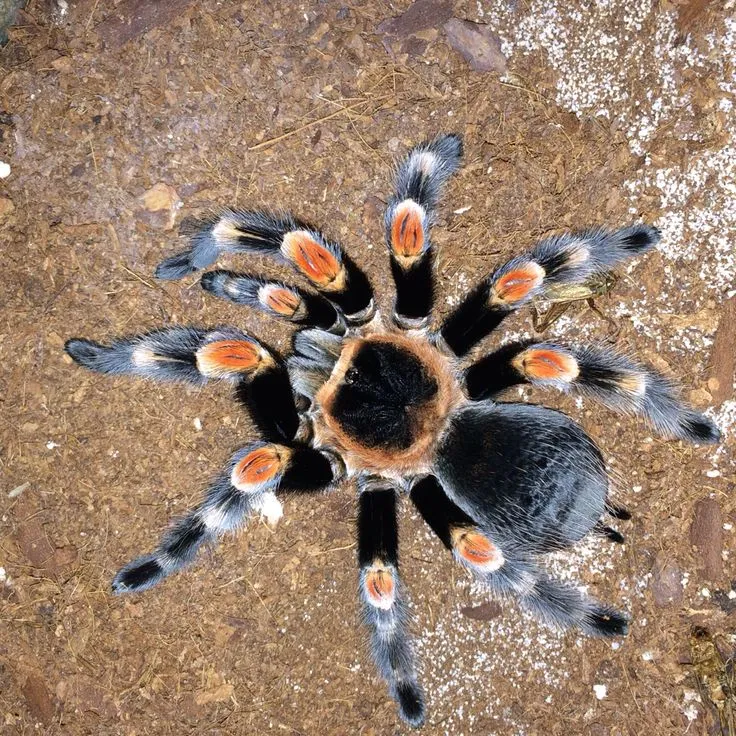
Red Knee Tarantula Male vs Female Top 5 Differences
The Red Knee Tarantula (Brachypelma hamorii) is a captivating creature, a favorite among tarantula enthusiasts. One of the most common questions revolves around distinguishing between male and female specimens. Knowing the sex of your Red Knee Tarantula is crucial for various reasons, including understanding its lifespan, anticipating mating behavior, and providing appropriate care. This guide dives deep into the key differences, making it easier to identify the sex of your Red Knee Tarantula. Understanding these distinctions enhances the overall experience of keeping and caring for these fascinating arachnids. This guide provides you with all the necessary information to confidently determine the sex of your Red Knee Tarantula and understand its unique characteristics.
Size and Appearance
The initial impression of a Red Knee Tarantula often hinges on its size and overall appearance. Although these differences are not always immediately apparent, they become more pronounced as the tarantulas mature. Careful observation of these physical attributes can offer valuable clues to their sex. Generally, females tend to be larger and more robust compared to males. This difference in size is more noticeable in adult tarantulas, but even juveniles may exhibit subtle variations that experienced keepers can identify. Body proportions and the overall build of the tarantula provide important insights. Understanding these visual cues is a fundamental step in sexing your Red Knee Tarantula and appreciating the nuances of its physical characteristics.
Body Size

Female Red Knee Tarantulas typically grow larger than males. Adult females can have a leg span of up to 6 inches or more, while males are often slightly smaller. The difference in body size is often subtle during the early stages of development. As the tarantulas mature, the disparity becomes more evident. The female’s body tends to be bulkier, reflecting its reproductive capacity and longer lifespan. This size difference is not just a visual distinction, it’s an indication of the differing biological functions. The larger size of the female allows for the storage of eggs and provides her with the resources needed to produce a successful egg sac. Observing the body size is thus a reliable indicator, especially when combined with other sexing methods.
Leg Span
Leg span, which refers to the distance between the tips of the tarantula’s legs when fully extended, is another important factor. Although both males and females have impressive leg spans, the proportions can differ. Mature females often have a leg span that is slightly shorter in relation to their body size, making them appear more compact. Male Red Knee Tarantulas, on the other hand, may exhibit a slightly larger leg span, relative to their body size, as they tend to be more slender. When assessing leg span, it’s essential to consider overall body size; a large female will naturally have a larger leg span than a smaller male. This distinction helps keepers accurately identify the sex and predict the tarantula’s future development and behavior.
Coloration
While the overall coloration of the Red Knee Tarantula is consistent between sexes – featuring the distinctive red/orange markings on the “knees” (patellae) and the contrasting black and brown body – subtle differences can be observed. The vibrancy of the colors might vary slightly. Some keepers believe that females retain more vivid coloration throughout their lives, while males may exhibit a slight fading of their colors after reaching maturity. However, coloration is not a reliable method for sexing, as individual variation is common. Relying solely on color differences is not recommended, as they can be influenced by factors such as diet, environmental conditions, and individual genetics. A comprehensive assessment that considers other physical traits is a more effective approach.
Lifespan

The lifespan is a significant distinguishing factor. Understanding the typical lifespan of a Red Knee Tarantula can help you plan for its care and anticipate its life cycle. The longevity of these creatures is directly related to their sex, with females living considerably longer than males. This fundamental difference influences many aspects of their behavior and the care they require. The longer lifespan of females allows them to reproduce multiple times, while males typically live shorter lives as they focus on mating. This difference in life expectancy is an important aspect of understanding the sex of your tarantula.
Male Lifespan
Male Red Knee Tarantulas typically have a much shorter lifespan than females. Once a male reaches maturity, which is marked by their final molt, their primary purpose becomes reproduction. After reaching maturity, males will usually live for another 1-2 years. This shorter lifespan is due to the energy expenditure of their mating activities and the physical stress associated with searching for a mate. The male’s body undergoes changes that prepare it for reproduction, but these changes come at a cost, reducing their overall longevity. Providing the appropriate care, including a suitable habitat and diet, can help to maximize the male’s lifespan, but it’s inherently limited by their biological destiny.
Female Lifespan
Female Red Knee Tarantulas are known for their impressive longevity, often living for 20 to 30 years or even longer under optimal conditions. This extended lifespan is a key advantage for tarantula keepers, allowing them to enjoy their pet for many years. The female’s longer life is a result of her biological role. She is designed to mature slowly, reproduce multiple times, and dedicate her energy to the creation and protection of her offspring. The female’s slower metabolism and the absence of the intense physiological stress associated with mating behavior in males contribute to their prolonged lifespan. A well-cared-for female Red Knee Tarantula can become a cherished pet for a significant portion of a person’s life, making the investment in their care all the more rewarding.
Mating Behavior

The mating behavior of Red Knee Tarantulas differs significantly between males and females. Understanding the reproductive processes and the roles of each sex provides insight into the tarantula’s biology. The behaviors involved in mating are also important for breeders and hobbyists interested in raising tarantula offspring. The behaviors observed during mating are a clear indicator of the sex of the tarantula. These are important characteristics to observe when sexing your Red Knee Tarantula.
Male Behavior
When a male Red Knee Tarantula reaches maturity, it initiates a search for a mate. Males will start wandering to locate a receptive female. A mature male will often construct a sperm web. The male then deposits sperm onto this web and absorbs it into his pedipalps (specialized appendages near the mouth). This loaded male will then begin to search for a female. When the male encounters a female, he will engage in a courtship ritual, drumming on the ground or tapping her legs. If the female is receptive, she will allow the male to approach and mate. After mating, the male’s life expectancy is significantly reduced, as he will often die shortly thereafter, either due to the stress of the encounter or being consumed by the female. Male behavior is a critical factor for tarantula sexing.
Female Behavior
The female’s behavior is markedly different. She is less mobile and tends to remain in her burrow or retreat. When a mature male approaches, the female’s response varies depending on her readiness and the male’s courtship display. If receptive, she will permit mating. The female may also consume the male after mating. The female will then use the sperm stored from the male to fertilize her eggs. After laying her eggs, the female will carefully create an egg sac and will protect it until the spiderlings hatch. The female’s behavior shows a slower, more deliberate approach, which is essential for successful reproduction and offspring survival.
Spermatheca and Epigyne

The presence or absence of specific reproductive structures offers a reliable method for sexing Red Knee Tarantulas. These structures are visible during molting and provide confirmation of the tarantula’s sex. While these methods are only accessible when the tarantula molts, they give an accurate means for determining the sex. Examining the exuvia, or shed exoskeleton, is a common practice, particularly for experienced keepers and breeders. Identifying these structures requires a careful examination of the exuvia after a molt. This is a valuable approach for sexing your Red Knee Tarantula.
Spermatheca
The spermatheca is a female-specific reproductive structure, a small sac that stores sperm received from the male during mating. This structure is visible on the female’s exuvia after molting. To identify the spermatheca, the exuvia must be carefully inspected under magnification. The spermatheca appears as a distinct, often bulbous or rounded, structure. The presence of the spermatheca is a definitive indicator of a female Red Knee Tarantula, offering a reliable method for sex determination. The visibility and shape of the spermatheca can vary, which depends on the age and health of the tarantula. By examining the molted exuvia, you gain valuable insight into the reproductive system of your female tarantula.
Epigyne
The epigyne is another female reproductive structure, located on the underside of the abdomen. This structure is not always as clearly visible as the spermatheca. The epigyne can sometimes be identified in a live female, although it is usually more visible on the exuvia. The epigyne typically appears as a raised area or a small plate with a slit or opening. The shape and prominence of the epigyne may vary based on the tarantula’s age and reproductive status. The exuvia examination, with a close look at the epigyne and other features, is a helpful method for determining the sex of a Red Knee Tarantula.
Molting and Exuvia Examination

Molting is a natural process for tarantulas as they grow, shedding their exoskeleton and creating a new, larger one. The exuvia, or shed exoskeleton, holds the key to the most accurate sexing method. Examining the exuvia under magnification allows for the identification of the sex-specific reproductive structures: the spermatheca in females and the absence of these structures in males. This approach provides the most reliable means to determine the sex of a Red Knee Tarantula. Examining the exuvia is an essential skill for any tarantula keeper who desires to accurately determine the sex of their tarantula.
Analyzing Exuvia
To analyze the exuvia, carefully remove the shed skin from the tarantula’s enclosure after a molt. Gently spread the exuvia out on a flat surface. Under a bright light and with the aid of a magnifying glass, meticulously inspect the underside of the abdomen. Look for the presence of the spermatheca and the structure of the epigyne. If the spermatheca is visible, the tarantula is a female. The absence of these structures suggests that the tarantula is male. It’s important to be patient and thorough when examining the exuvia, as the details can sometimes be subtle. With experience, it is possible to easily distinguish the sex of the Red Knee Tarantula.
The Importance of Sexing
Knowing the sex of your Red Knee Tarantula is critical for appropriate care and breeding efforts. The ability to determine the sex allows you to understand its lifespan, anticipate its behavior, and provide the correct enclosure size. In addition, sexing is important for tarantula keepers who are considering breeding their tarantulas. Determining the sex is essential for successful breeding programs. Understanding the key differences between male and female Red Knee Tarantulas allows you to care for your tarantula, providing it with a fulfilling life. This is a crucial step to ensuring that your tarantula is properly cared for.