Understanding Red Knee Tarantula Growth Rate
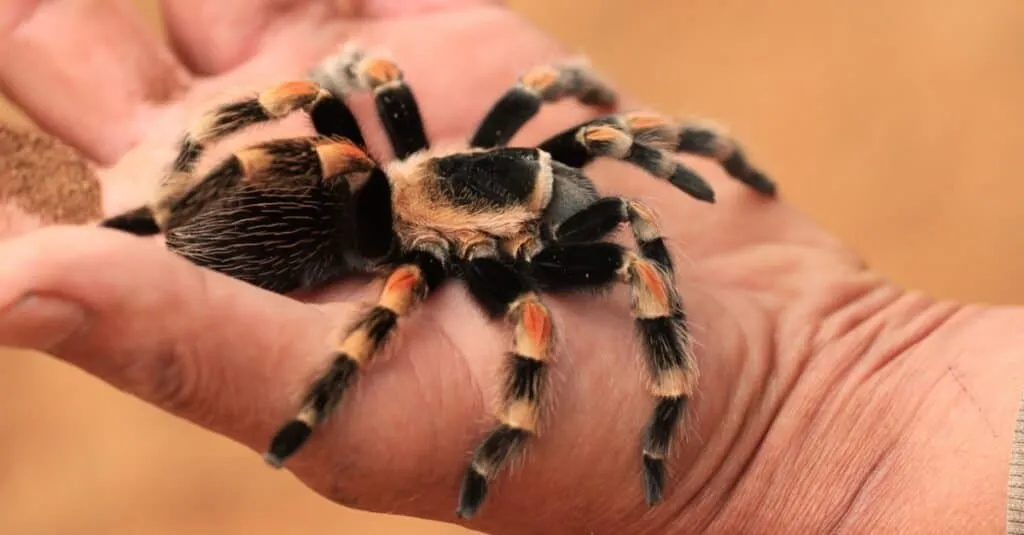
The red knee tarantula (Brachypelma hamorii), a captivating species known for its striking coloration and relatively docile temperament, is a popular choice among tarantula enthusiasts. Understanding their growth rate is crucial for providing proper care and ensuring their well-being. Unlike mammals, tarantulas grow through a process called molting, where they shed their exoskeleton. The speed at which a red knee tarantula grows is influenced by several factors, making it essential for keepers to understand these elements to provide optimal conditions and to monitor the health and development of their pet. Knowing the growth rate helps in adjusting feeding schedules, maintaining suitable environmental conditions, and recognizing potential health issues. This article will delve into the key elements that affect the growth rate of these fascinating creatures, offering insights for both novice and experienced tarantula keepers.
Factors Influencing Growth Rate
Several interconnected factors influence the growth rate of red knee tarantulas. Temperature, humidity, feeding habits, and genetics all play significant roles. The interplay of these elements determines how quickly a tarantula matures and reaches its full size. Providing the right balance of these conditions is essential for promoting healthy growth and minimizing potential problems. Careful monitoring and adjustments based on the tarantula’s specific needs and life stage are key components of responsible tarantula care. The following sections will examine each of these key factors in detail, providing actionable advice for tarantula owners looking to optimize their pet’s growth potential while prioritizing its health and well-being.
Temperature’s Impact on Growth

Temperature is a critical environmental factor that directly impacts a red knee tarantula’s metabolism and growth rate. Tarantulas are ectothermic, meaning they rely on external heat sources to regulate their body temperature. Higher temperatures generally speed up metabolic processes, leading to increased appetite, faster growth, and more frequent molting. Conversely, lower temperatures can slow down these processes, leading to slower growth and less frequent molting. Maintaining a consistent and appropriate temperature range is therefore essential for promoting healthy development.
Optimizing Temperature for Faster Growth
To optimize growth, the ideal temperature range for red knee tarantulas is typically between 75°F and 85°F (24°C and 29°C). This can be achieved using a heat mat placed on the side or back of the enclosure, or a low-wattage ceramic heat emitter. It is crucial to monitor the temperature regularly using a reliable thermometer. Avoid placing the heat source directly under the enclosure, as this can overheat the substrate and potentially harm the tarantula. Always ensure there is a temperature gradient within the enclosure, allowing the tarantula to choose its preferred temperature zone. Proper ventilation is also essential to prevent overheating and maintain air quality. Consistent monitoring and adjustments are critical to creating a stable and beneficial thermal environment.
Humidity and Molting Frequency
Humidity is another crucial factor influencing the well-being and growth of red knee tarantulas. Humidity levels impact the tarantula’s ability to molt successfully. During molting, the tarantula sheds its exoskeleton, a process that requires a moist environment to prevent the new exoskeleton from drying out and becoming stuck. Adequate humidity helps the tarantula’s cuticle to separate from the old exoskeleton more easily, reducing the risk of molting complications. Incorrect humidity levels can cause a tarantula to experience difficulties molting, leading to injury or even death.
Maintaining Proper Humidity Levels

The ideal humidity level for red knee tarantulas ranges between 60% and 70%. This can be achieved by misting the enclosure with dechlorinated water every few days, or by providing a water dish. The substrate should be kept slightly moist, but not waterlogged, to maintain the appropriate humidity. Using a hygrometer is essential to accurately measure humidity levels and make necessary adjustments. Ventilation is also important; while humidity is necessary, excessive humidity combined with poor ventilation can lead to mold growth and other issues. Regular monitoring and adjustment of humidity levels are key to supporting healthy molting cycles and overall growth.
Feeding and Nutrition for Optimal Growth
Feeding and nutrition are fundamental aspects of a red knee tarantula’s growth. A well-balanced diet provides the necessary nutrients for healthy development. The frequency and type of food directly influence the rate at which the tarantula grows and molts. Overfeeding can lead to health problems, such as obesity, while underfeeding can stunt growth and reduce the tarantula’s overall health and vitality. The choice of food items, such as crickets, roaches, or mealworms, and their nutritional content play a vital role in the tarantula’s growth and development.
Dietary Needs of Red Knee Tarantulas
Juvenile red knee tarantulas typically require more frequent feedings, usually 2-3 times a week. As they mature, the feeding frequency can be reduced to once a week or less. The size of the prey should be appropriate for the tarantula’s size, with the general rule being that the prey should be no larger than the tarantula’s body. A varied diet is beneficial, offering different types of insects to ensure the tarantula receives a range of nutrients. Always remove uneaten prey within 24 hours to prevent stress and potential injury to the tarantula. A consistent feeding schedule, combined with the right food choices, promotes healthy growth and overall well-being.
Molting and Its Role in Growth

Molting is an essential process for tarantulas, where they shed their exoskeleton to grow. The frequency of molting decreases as the tarantula matures. Each molt allows the tarantula to increase in size and replace any damaged limbs or body parts. Molting is a vulnerable time for the tarantula, making it crucial to provide a stress-free environment. Improper conditions during molting can lead to difficulties and even death, underscoring the importance of understanding this life cycle stage.
Recognizing Molting Signs
Several signs indicate an upcoming molt. The tarantula may stop eating, become less active, and develop a darker coloration. You might notice a bald spot on its abdomen, indicating the stretching of the exoskeleton in preparation for the molt. Providing a safe and undisturbed environment during this period is vital. Avoid handling the tarantula and ensure the enclosure has the correct temperature and humidity levels. Once the molt is complete, the tarantula will typically remain in a vulnerable state for several days, during which time it should not be disturbed until the new exoskeleton hardens. After molting, the tarantula will often start eating again, and its growth rate will resume.
Age and Genetics Influencing Growth
The age and genetic makeup of a red knee tarantula also play significant roles in its growth rate. Younger tarantulas molt more frequently and grow faster than older ones. Genetics influence the overall size and growth rate potential of an individual tarantula, with some tarantulas naturally growing larger or faster than others. Understanding these aspects can help set realistic expectations for the growth of your pet and allow for adequate care adjustments based on its life stage.
Average Growth Rates at Different Stages

Red knee tarantulas grow at varying rates depending on their age. Spiderlings and juveniles can molt every few weeks or months, experiencing significant growth with each molt. As they reach adulthood, the molting frequency decreases, sometimes occurring only once a year or even less. A mature female red knee tarantula can live for 20-30 years, while males typically have a shorter lifespan. Monitoring your tarantula’s molting frequency and growth progress helps you gauge its health and development stage.
Genetics and Variations in Growth
Genetic factors can influence the size and growth rate of a red knee tarantula. Just as in humans, individual tarantulas may have different growth potentials based on their genetic background. Some individuals may naturally grow larger or faster, even when kept under similar conditions. This genetic variation contributes to the diversity observed among red knee tarantulas and affects their overall size and appearance as they mature. Understanding this allows for realistic expectations and personalized care based on an individual tarantula’s genetic predispositions.
Maximizing Growth in Captivity
Providing the right environment and care is key to maximizing the growth potential of a red knee tarantula in captivity. This involves creating an optimal habitat with suitable temperature, humidity, and appropriate food. Consistent monitoring of these factors, along with attention to the tarantula’s behavior and molting cycles, ensures its health and growth. Adapting the care routine to the tarantula’s specific needs and life stage will contribute to its long-term well-being.
Enclosure Size and Its Impact

The size of the enclosure affects the growth of a red knee tarantula. While these tarantulas are not extremely active, they still benefit from adequate space to move around and establish their territories. A properly sized enclosure helps reduce stress and allows for proper thermoregulation and humidity gradients. As the tarantula grows, it will require a larger enclosure. Overcrowding can lead to stress, cannibalism, and inhibited growth. The enclosure should be appropriately sized for the tarantula’s current size and potential adult size.
Providing a Suitable Substrate
A suitable substrate is vital for a red knee tarantula’s well-being and growth. The substrate helps regulate humidity and provides a surface for the tarantula to burrow and move around. The ideal substrate for red knee tarantulas is a mix of peat moss, vermiculite, and coconut fiber. This mixture helps maintain humidity levels, facilitates burrowing, and provides a natural environment. The depth of the substrate should be sufficient for the tarantula to burrow comfortably. Regularly monitoring the substrate’s condition and replacing it as needed helps maintain the optimal environment and supports healthy growth.
Conclusion
Understanding the factors influencing the red knee tarantula’s growth rate is crucial for successful and responsible pet ownership. Temperature, humidity, feeding, genetics, and enclosure conditions all play vital roles in determining how quickly these fascinating creatures mature. By carefully managing these factors and consistently monitoring your tarantula’s development, you can ensure its health and well-being throughout its life. Remember that patience and observation are key to being a successful tarantula keeper, and enjoying the remarkable journey of watching your red knee tarantula thrive.