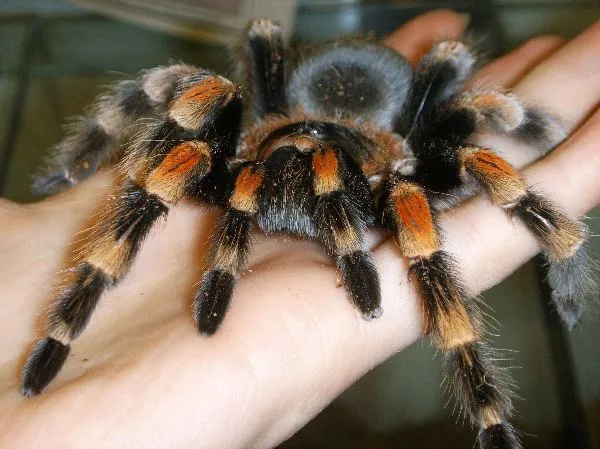
Red Knee Tarantula Care The Basics
The Red Knee Tarantula, a captivating and relatively docile species, has become a popular choice for tarantula enthusiasts. Their striking coloration and manageable temperament make them a fascinating addition to any home. However, like all pets, they require specific care to thrive. Understanding these basics is crucial for ensuring your Red Knee Tarantula lives a long, healthy, and fulfilling life. This guide provides essential information to set you on the right path for Red Knee Tarantula ownership, covering everything from habitat and feeding to handling and recognizing potential health issues. By following these guidelines, you can provide a suitable environment and proper care, allowing you to enjoy the unique presence of your Red Knee Tarantula for many years.
Habitat Requirements
Creating the right habitat is paramount to the well-being of your Red Knee Tarantula. This species is terrestrial, meaning it spends most of its time on the ground. The enclosure should mimic its natural environment as closely as possible to keep the tarantula comfortable and content. Providing the right conditions will encourage natural behaviors and reduce stress. A well-designed habitat is not only functional but also aesthetically pleasing, allowing you to observe and enjoy your pet’s activities. It’s important to remember that a happy tarantula is a healthy tarantula, and the habitat plays a vital role in achieving this.
Enclosure Size

Choosing the appropriate enclosure size is the first step in setting up a suitable habitat. A general rule of thumb is to provide an enclosure that is at least three times the tarantula’s leg span in width. For a juvenile Red Knee Tarantula, a 5-10 gallon terrarium is often sufficient. As they grow, you’ll need to upgrade to a larger enclosure. Adult Red Knees typically thrive in a 10-20 gallon tank. The enclosure should be well-ventilated, with a secure lid to prevent escapes. Vertical space is less critical than floor space for this terrestrial species. The goal is to offer enough space for the tarantula to move around, explore, and establish a comfortable living area without feeling cramped. A too-small enclosure can lead to stress and inhibit natural behaviors.
Substrate and Decorations
The substrate, or bedding, forms the foundation of the Red Knee Tarantula’s habitat. It should provide a comfortable surface for the tarantula to walk on and burrow in, as well as help maintain humidity levels. A substrate mixture of coconut fiber, peat moss, and a bit of vermiculite is ideal. This combination holds moisture well, is safe for tarantulas, and allows for burrowing. Avoid substrates like wood chips or gravel, which can be abrasive or difficult to burrow in. Adding decorations like cork bark, artificial plants, and a shallow water dish enhances the habitat and provides hiding places. These additions not only enrich the environment but also give the tarantula a sense of security. Remember to ensure all decorations are non-toxic and free from sharp edges.
Temperature and Humidity
Maintaining the correct temperature and humidity levels is crucial for the Red Knee Tarantula’s health. The ideal temperature range is between 75-85°F (24-29°C). A heat lamp or a heat mat placed on the side of the enclosure (never directly under the enclosure) can help maintain this temperature. Always monitor the temperature with a thermometer. Humidity levels should be maintained between 60-70%. This can be achieved by misting the enclosure with water a few times a week, depending on the ventilation and the substrate’s ability to retain moisture. Avoid over-misting, as this can lead to mold and fungal growth. Regularly checking the humidity with a hygrometer will help you keep the environment within the optimal range, supporting the tarantula’s molting process and overall well-being.
Feeding Your Tarantula

Feeding your Red Knee Tarantula is a straightforward process, but it is essential to get it right to keep your tarantula healthy and thriving. These tarantulas are voracious eaters, but their feeding needs vary based on their age and size. Providing the right food, in the correct amounts, will ensure your tarantula receives the necessary nutrients to grow and maintain its health. It is important to observe your tarantula’s feeding habits and adjust the feeding schedule accordingly. Overfeeding can lead to obesity, while underfeeding can stunt growth. By following these guidelines, you can create a balanced feeding plan that caters to your Red Knee Tarantula’s specific needs.
What to Feed
The Red Knee Tarantula’s diet should primarily consist of live insects. Crickets and roaches are the staples, as they provide a good source of protein and are readily available. Other options include mealworms, superworms, and occasionally, waxworms (as treats due to their high-fat content). The size of the insects should be appropriate for the tarantula; they should be no larger than the tarantula’s body length. Before feeding, it’s best to gut-load the insects by feeding them nutritious foods like vegetables and commercial insect food, thereby enhancing the nutritional value passed on to your tarantula. Avoid feeding insects that have been exposed to pesticides or chemicals. Always remove uneaten insects within 24 hours to prevent them from stressing the tarantula.
Feeding Frequency
The feeding frequency for Red Knee Tarantulas depends on their age. Spiderlings and juveniles should be fed 2-3 times a week. Adult tarantulas can be fed once a week or even less frequently. Adjust the feeding schedule based on your tarantula’s appetite and body condition. If the tarantula is refusing food, it may be preparing to molt. Always provide fresh, clean water, even when they are not eating. It’s also important to observe your tarantula’s abdomen; if it looks plump, the tarantula is well-fed, and you can reduce the feeding frequency. Overfeeding can lead to health problems and obesity, while underfeeding can result in slower growth and potential health issues.
Watering Your Tarantula

Providing clean water is crucial for your Red Knee Tarantula’s survival. While they obtain some moisture from their food, a consistent water source ensures hydration. Access to fresh water is essential for their health, molting process, and overall well-being. Regular watering and monitoring of the water source are necessary to ensure that your tarantula stays healthy and hydrated. This element of care is often overlooked but is just as important as proper feeding and habitat maintenance. Ensuring your tarantula has access to fresh water is a straightforward task that contributes significantly to its quality of life.
Water Source
The most common water source is a shallow water dish. The dish should be shallow enough to prevent the tarantula from drowning. Use a water dish that is stable and won’t tip over easily. Change the water at least every other day to prevent bacterial growth. For smaller spiderlings, you can use a bottle cap or a cotton ball soaked with water, ensuring the spiderling can drink without risk. Always use dechlorinated water. Tap water often contains chlorine and other chemicals that can be harmful to tarantulas. If you use tap water, let it sit for 24 hours to allow the chlorine to evaporate, or use a water conditioner.
Misting Schedule
Misting the enclosure helps maintain humidity levels, which are crucial for Red Knee Tarantulas, particularly during the molting process. The frequency of misting depends on the humidity level in your area and the substrate used. Generally, mist the enclosure 1-3 times a week. Be sure to mist only one side of the enclosure to create a humidity gradient. Avoid over-misting, which can lead to mold and fungal growth, which can be dangerous to your tarantula. Observe the substrate; if it’s consistently damp, reduce misting. Regularly check the humidity with a hygrometer and adjust the misting schedule to maintain the optimal range of 60-70% for the health and well-being of your Red Knee Tarantula.
Handling and Interaction

While Red Knee Tarantulas are relatively docile, it’s essential to approach handling with caution. They are not pets that enjoy being handled, and unnecessary handling can stress them. However, there are instances when you might need to handle your tarantula, such as for enclosure maintenance or health checks. Understanding the risks and best practices can minimize the potential for injury to both you and your tarantula. Always prioritize the tarantula’s safety and well-being, and only handle it when necessary. Handling should always be done carefully and with a clear understanding of the animal’s behavior and potential risks.
Handling Risks
Red Knee Tarantulas possess urticating hairs on their abdomen that they can flick to defend themselves. These hairs can cause skin irritation and itching if they come into contact with your skin or eyes. They also have fangs and can bite if they feel threatened. While their venom is not life-threatening to humans, a bite can be painful and cause localized symptoms like swelling and redness. Tarantulas are also fragile, and a fall from even a short distance can seriously injure or even kill them. Always be mindful of the potential risks involved when handling and take appropriate precautions to minimize them. Never handle a tarantula if you are unsure or uncomfortable doing so. Always wash your hands thoroughly after handling.
Best Practices for Handling
If you must handle your Red Knee Tarantula, do so with extreme care. Approach the tarantula slowly and gently, never from above. Let the tarantula walk onto your hand; never try to grab or force it. Always handle the tarantula over a soft surface, like a bed or a carpet, to minimize the risk of injury if it falls. Avoid sudden movements and loud noises, as they can startle the tarantula. Wash your hands before and after handling to remove any lingering scents that could trigger a defensive response. It’s usually best to handle them as little as possible, respecting their space and allowing them to live their natural lives in their habitat. If you are unsure, it is always better to observe them from a distance and enjoy their beauty.
Identifying Common Problems
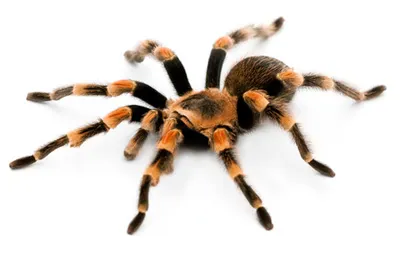
Being able to identify potential health problems is crucial for responsible Red Knee Tarantula ownership. Regular observation of your tarantula is key. This includes noticing changes in behavior, appetite, and appearance. Early detection of any issues can lead to more effective treatment. Many problems can be avoided with proper care, but knowing what to look for can make a significant difference in your tarantula’s health and longevity. Learning how to identify common issues such as problems with molting or parasites helps to prevent severe health problems.
Molting
Molting is a natural process in which tarantulas shed their exoskeletons to grow. This process is essential for their health and development. Signs that your tarantula is preparing to molt include a loss of appetite, lethargy, and a change in the abdomen’s color (it may darken). During molting, do not disturb the tarantula. Provide a humid environment and leave the tarantula undisturbed to avoid stressing it. After molting, the tarantula will be vulnerable and its new exoskeleton will be soft; wait a few days before feeding it to allow the new exoskeleton to harden. Any problems with molting are usually environmental and can be fixed by optimizing humidity.
Parasites and Diseases
While Red Knee Tarantulas are generally hardy, they can be susceptible to certain parasites and diseases. Mites are a common problem and can often be identified as tiny, moving spots on the tarantula’s body. You can address this by improving the conditions of the habitat. Fungus and mold growth can also be harmful. Preventative measures include maintaining proper humidity levels, ensuring good ventilation, and removing uneaten food. If you suspect your tarantula has a health problem, consult with a veterinarian experienced in exotic animals. Timely intervention can make a big difference. Prevention through proper care is always the best approach.
Red Knee Tarantula Lifespan

One of the most exciting aspects of owning a Red Knee Tarantula is its potential lifespan. These tarantulas can live for a significant amount of time with proper care, allowing you to enjoy their presence for many years. Understanding the lifespan and the factors that influence it can help you provide the best care possible. With the correct environment, feeding, and care, you can help your Red Knee Tarantula live a long and fulfilling life. This part of their care is important to consider when welcoming a new pet into your home.
Female Red Knee Tarantulas can live for 15-20 years, sometimes even longer. Males, however, have a much shorter lifespan, typically 5-7 years, as they often die shortly after reaching maturity. Providing the right conditions, including the right temperature, humidity, and a good diet, can contribute to a long and healthy life for your Red Knee Tarantula. While the exact lifespan can vary, responsible care greatly increases the likelihood of a long, rewarding companionship with your pet.