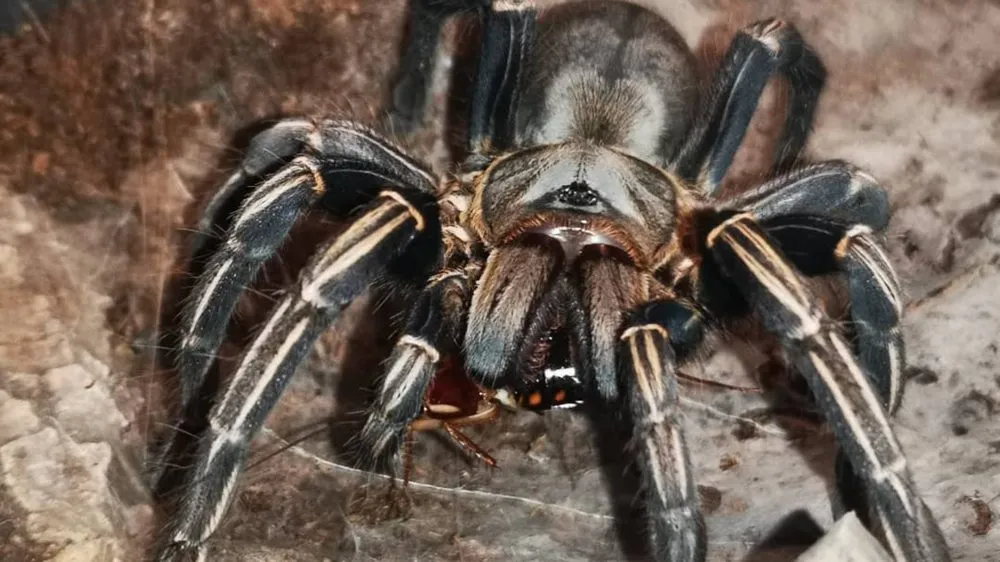
Ratchaburi Tarantula Top 5 Care Tips
The Ratchaburi Tarantula, a fascinating and often-sought-after species, hails from the Ratchaburi province of Thailand. Keeping these remarkable arachnids healthy and thriving requires understanding their specific needs. This guide will walk you through the top five essential care tips to ensure your Ratchaburi Tarantula lives a long, happy life. From habitat setup to handling, we’ll cover everything you need to know to become a successful tarantula keeper. Remember, responsible pet ownership involves providing a safe, comfortable, and stimulating environment. With the right knowledge and dedication, you can enjoy the unique experience of owning a Ratchaburi Tarantula.
Habitat Setup
The first and arguably most crucial aspect of Ratchaburi tarantula care is creating a suitable habitat. This involves providing an environment that mimics their natural surroundings and meets their physical needs. A well-designed enclosure reduces stress, encourages natural behaviors, and enhances your ability to observe and enjoy your pet. Always remember that a secure and appropriate enclosure is the foundation of responsible tarantula ownership. Neglecting the habitat can lead to a host of health and behavioral issues, so make it a priority to get it right from the start.
Enclosure Size

Choose an enclosure that is appropriately sized for your tarantula’s current and anticipated adult size. A general rule of thumb is to provide an enclosure that is at least three times the tarantula’s leg span in width. For juveniles, a smaller enclosure may be preferable to avoid them feeling overwhelmed. The height of the enclosure is less critical for terrestrial species like the Ratchaburi Tarantula, but it should still provide enough space for substrate and any decorative elements without restricting movement. Glass terrariums with secure lids are a popular choice, but plastic enclosures also work well, especially for juveniles. Make sure the enclosure has adequate ventilation to prevent the buildup of excess humidity.
Substrate and Decorations
The substrate is the flooring of your tarantula’s habitat and plays a vital role in maintaining humidity, providing a place for the tarantula to burrow, and providing traction. A substrate of coco fiber or a mixture of coco fiber and peat moss is generally recommended for Ratchaburi Tarantulas, as it holds moisture well and allows them to burrow. Avoid using cedar or pine shavings, as these can be toxic to tarantulas. Provide at least 4-6 inches of substrate to allow for burrowing behavior. Decorate the enclosure with a hide, such as a piece of cork bark or a half-log, and some artificial plants to provide security and enrichment. Ensure all decorations are securely placed to prevent them from falling and injuring the tarantula.
Temperature and Humidity
Ratchaburi Tarantulas thrive in a warm and humid environment that mimics their native habitat. Maintain a temperature range of 75-85°F (24-29°C) using a heat mat or ceramic heat emitter attached to the side of the enclosure. Avoid placing the heat source directly under the enclosure, as this can cause the substrate to dry out too quickly. Monitor the temperature with a thermometer. Humidity levels should be maintained between 60-70%. Use a hygrometer to monitor the humidity. Mist the enclosure with dechlorinated water 1-2 times per week, or as needed, to maintain the desired humidity levels. Ensure proper ventilation to prevent mold growth. In addition, you can use a water bowl to help with humidity.
Feeding Your Ratchaburi Tarantula

Proper nutrition is critical to the health and well-being of your Ratchaburi Tarantula. They are opportunistic predators and have specific dietary needs to ensure proper growth and development. Providing the right food and feeding frequency will help keep your tarantula active and healthy. It’s important to research the specific needs of the Ratchaburi Tarantula and adjust your feeding routine accordingly. Understanding their natural diet is also key to ensuring you provide a balanced meal plan, minimizing the risk of nutritional deficiencies and maximizing your tarantula’s lifespan.
What to Feed
Ratchaburi Tarantulas are primarily insectivores, meaning their diet consists mainly of insects. Suitable food items include crickets, mealworms, dubia roaches, and other commercially available insects. Vary the diet to ensure your tarantula receives a range of nutrients. Before feeding, lightly dust the insects with a calcium and vitamin supplement to ensure your tarantula gets all the necessary vitamins. Avoid feeding insects that have been exposed to pesticides. Always remove any uneaten food items within 24 hours to prevent mold growth and potential health issues. The size of the prey should be appropriate for the size of your tarantula; the general rule is to provide insects that are no larger than the tarantula’s body size.
Feeding Frequency
The feeding frequency will depend on the age and size of your tarantula. Spiderlings and juveniles require more frequent feeding, typically 2-3 times per week. As they grow, you can reduce the feeding frequency to once or twice per week for adults. Observe your tarantula’s behavior; if it appears hungry or actively hunts, it’s a good indicator it is ready to be fed. Avoid overfeeding, as this can lead to health problems. A well-fed tarantula will typically have a plump abdomen. Always provide fresh, clean water in a shallow dish, even if your tarantula doesn’t appear to drink regularly. Remember that tarantulas will often refuse food before molting; do not be alarmed if your tarantula stops eating for a period.
Watering Your Tarantula

Providing access to fresh, clean water is essential for your Ratchaburi Tarantula’s survival. Water is critical for hydration, aiding in molting, and regulating body functions. Ensure you provide a clean and readily accessible water source at all times. Understanding the importance of hydration and the correct method of providing water is a key aspect of tarantula care. Failure to provide proper hydration can lead to severe health issues, emphasizing the need for this fundamental aspect of care. Monitoring water levels and ensuring cleanliness contributes significantly to the overall health and well-being of your tarantula.
Water Bowl and Misting
Use a shallow water dish, such as a bottle cap or a small, stable bowl, that is easily accessible but prevents the tarantula from drowning. Make sure the water dish is stable and cannot be easily tipped over. Change the water regularly, ideally every 1-2 days, to keep it fresh and prevent the growth of bacteria and mold. In addition to the water dish, you may need to mist the enclosure lightly with dechlorinated water 1-2 times per week, depending on the humidity levels. This is particularly important during molting or if you live in a dry climate. Avoid over-misting, as this can lead to a stagnant environment and potential health issues. Always use dechlorinated water as tap water may contain chemicals harmful to your tarantula.
Handling Your Tarantula
While Ratchaburi Tarantulas are generally docile, handling should be approached with caution and respect. Tarantulas are delicate creatures, and mishandling can lead to injury or stress. Many tarantula keepers do not handle their tarantulas at all, preferring to admire them from a distance. However, if you choose to handle your tarantula, it is important to do so responsibly and with the utmost care. Always be aware of your tarantula’s temperament and potential for defensive behavior. Remember that handling is more for the keeper’s enjoyment than the tarantula’s, so it should be minimized or avoided if the tarantula appears stressed or agitated.
When to Handle

Avoid handling your Ratchaburi Tarantula if it is molting, has recently molted, or appears stressed. Signs of stress include a defensive posture, such as rearing up on its hind legs, or flicking hairs from its abdomen. Avoid handling juveniles, as they are more fragile. It’s best to handle the tarantula when it is calm and active, usually after a feeding. Never handle a tarantula immediately after feeding it. Always be patient and observe your tarantula’s behavior before attempting to handle it. If the tarantula appears reluctant or exhibits signs of stress, it is best to leave it alone and try another time.
How to Handle
If you choose to handle your tarantula, do so gently and slowly. Approach the tarantula from a low angle and allow it to walk onto your hand. Avoid grabbing or forcing the tarantula. Handle the tarantula over a soft surface, such as a bed or a carpet, in case it falls. Avoid sudden movements or loud noises, as these can startle the tarantula. Never drop the tarantula. Keep your hands clean and free of lotions or perfumes, as these can be harmful. Always wash your hands thoroughly after handling. If the tarantula shows any signs of aggression, gently place it back into its enclosure.
Health and Maintenance
Maintaining your Ratchaburi Tarantula’s health involves more than just feeding and watering. Regular observation and preventative care are crucial to ensure a long and healthy life. Proper health management includes identifying potential problems early, addressing them promptly, and maintaining a clean and sanitary environment. Regular health checks and routine maintenance will allow you to enjoy your pet tarantula for many years. Always stay informed about tarantula health issues and be prepared to seek professional veterinary advice if necessary. The more you know, the better equipped you will be to recognize problems and take action.
Identifying Health Issues

Regularly observe your tarantula for any signs of illness or distress. Common health issues in tarantulas include parasites, injuries, and infections. Signs of a sick tarantula may include lethargy, loss of appetite, unusual postures, or changes in the abdomen. Check for external parasites, such as mites, which can be seen as small, moving dots on the tarantula’s body. Inspect the tarantula for any injuries, such as damaged fangs or missing limbs. If you notice any signs of illness or injury, consult a veterinarian experienced with tarantulas. Early detection is essential for successful treatment. Always isolate sick tarantulas from healthy ones to prevent the spread of any potential infections.
Cleaning the Enclosure
Regularly clean your tarantula’s enclosure to maintain a healthy environment and prevent the buildup of bacteria and mold. Remove any uneaten food items, molts, and other debris as soon as possible. Spot-clean the substrate as needed to remove any waste. Replace the entire substrate every 6-12 months, or more frequently if necessary. Wash the enclosure with warm water and mild soap, avoiding harsh chemicals. Rinse thoroughly and allow it to dry completely before replacing the substrate and decorations. Regular cleaning is crucial for maintaining a hygienic environment and preventing the spread of disease. Proper hygiene is essential for the long-term well-being of your Ratchaburi Tarantula, contributing significantly to its longevity.