What is a Zebra Tarantula?
The Zebra Tarantula, scientifically known as Aphonopelma seemanni, is a captivating arachnid belonging to the tarantula family. Native to the tropical dry forests of Costa Rica and other parts of Central America, this spider is a popular choice among pet enthusiasts due to its relatively docile temperament and striking appearance. Despite its intimidating size and fearsome reputation, the Zebra Tarantula is generally not considered aggressive, making it a fascinating creature to observe and study. Their distinctive zebra-like stripes on their legs and carapace contribute to their unique aesthetic appeal, adding to their popularity in the exotic pet trade. These spiders play a vital role in their ecosystem by controlling insect populations and contributing to the biodiversity of their habitats. Understanding the Zebra Tarantula is an interesting journey that helps in appreciating these unique creatures.
Physical Characteristics of the Zebra Tarantula
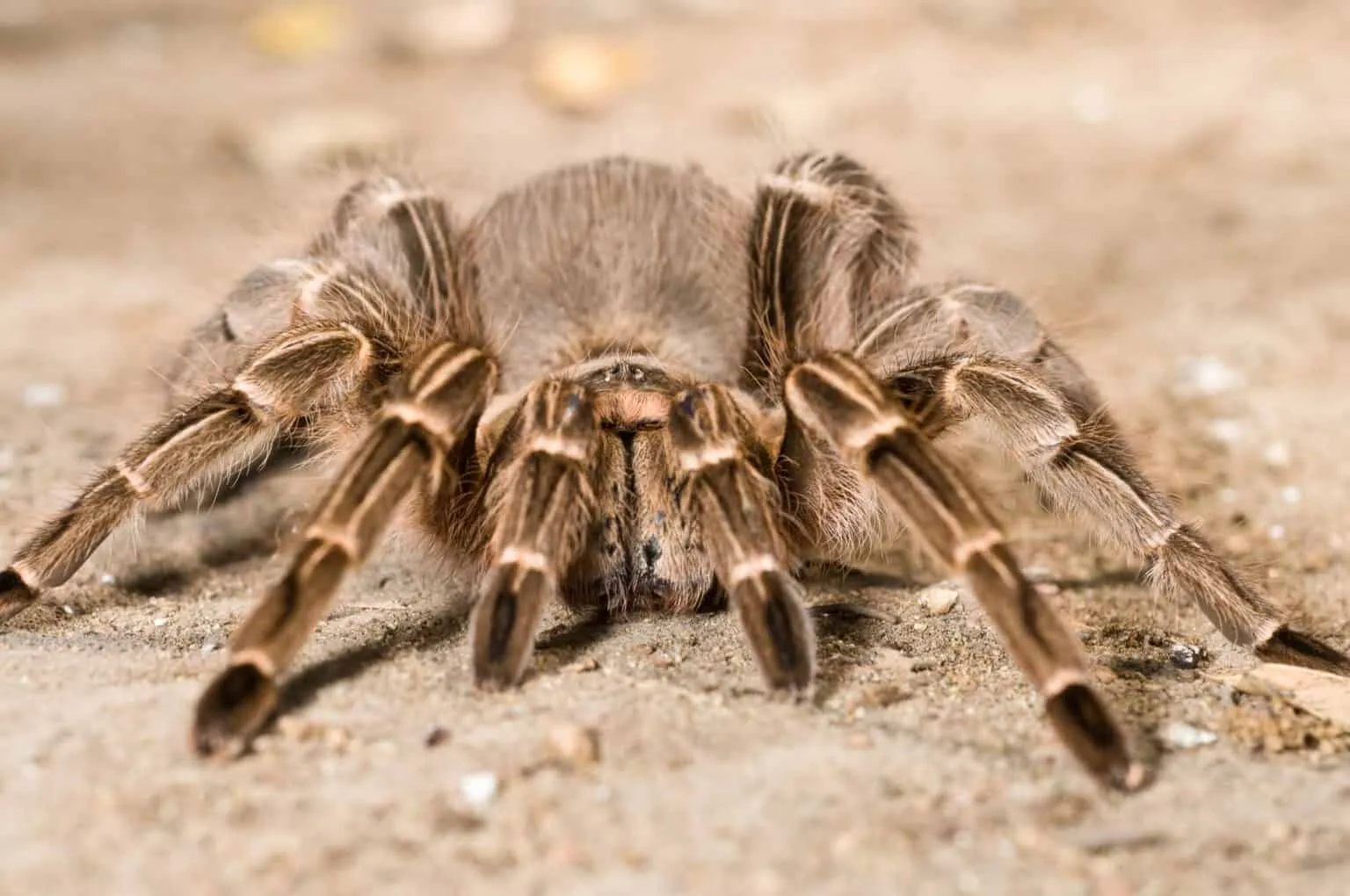
The Zebra Tarantula boasts a number of distinctive physical characteristics that contribute to its allure and aid in its survival. Their bodies are covered in a thick exoskeleton, which provides protection and support. Their bodies have two main segments, the cephalothorax (fused head and thorax) and the abdomen, and their legs are covered in bristles and hairs that aid in sensory perception. The zebra stripes, a bold pattern of black and white or light tan stripes on their legs, are one of the most remarkable features. These patterns are not only visually striking, but they also serve as a form of camouflage in their natural environment. The tarantulas are also equipped with chelicerae, which are a pair of fangs used for biting and injecting venom. These unique features contribute to the survival and adaptation of these amazing creatures.
Size and Appearance

Adult Zebra Tarantulas can reach a leg span of up to 5-6 inches (13-15 cm), making them a medium-sized tarantula species. Females tend to be larger than males. Their appearance is striking, characterized by a dark carapace and abdomen, with prominent black and white or tan stripes on their legs. These stripes give them their common name, resembling the pattern of a zebra. The body color can range from a deep black to a brownish hue, with the stripes providing a stark contrast. The overall appearance is robust and somewhat intimidating, a visual testament to their place in the animal kingdom. The combination of size and distinctive markings make the Zebra Tarantula an easily recognizable species.
Habitat and Distribution of Zebra Tarantulas
Zebra Tarantulas are primarily found in the tropical dry forests of Central America. Their habitat preference typically includes areas with moderate humidity, well-draining soil, and plenty of cover. These tarantulas are terrestrial, meaning they live on the ground, and they often burrow or take shelter in existing structures, such as under rocks or in crevices, to create their homes. Their distribution is concentrated in countries like Costa Rica and parts of Nicaragua, where they thrive in the warm, humid environment. These habitats offer an abundance of prey and shelter, providing an ideal environment for the Zebra Tarantula to flourish. Preserving these natural habitats is vital for the survival and well-being of these fascinating creatures.
Where Do They Live?
In their natural habitat, Zebra Tarantulas are ground-dwelling creatures that prefer to live in burrows or under rocks, logs, or other natural cover. They often choose areas with moderate humidity and well-draining soil. The presence of leaf litter and other organic matter on the forest floor provides them with both camouflage and shelter. These spiders are well-adapted to their environment, with their coloration and behavior helping them avoid predators and ambush prey. They are not typically found in heavily forested areas but rather in more open habitats within the tropical dry forest ecosystem. The location of their homes offers both protection from the elements and a strategic advantage for hunting.
Are Zebra Tarantulas Poisonous?

It is a common misconception that tarantulas are poisonous. In reality, they are venomous. The difference is that poison is ingested or inhaled, while venom is injected. Zebra Tarantulas, like all tarantulas, are venomous, but their venom is generally not considered life-threatening to humans. The venom is primarily used for subduing prey, such as insects and small invertebrates. When a tarantula bites, it injects venom through its fangs, which can cause localized pain, redness, and swelling at the bite site. However, serious reactions are rare, and most people experience only mild symptoms. It’s crucial to distinguish between venomous and poisonous animals to understand the true nature of these creatures.
The Nature of Tarantula Venom
Tarantula venom is a complex mixture of proteins, enzymes, and other compounds designed to immobilize prey. The specific composition of the venom varies between species, but it generally contains neurotoxins that affect the nervous system of their targets. In the case of the Zebra Tarantula, the venom is primarily used for hunting insects and other small invertebrates. While the venom can cause discomfort and localized symptoms in humans, it is not as potent as the venom of some other spider species. The effects are typically limited to the bite area, and severe systemic reactions are uncommon. The nature of tarantula venom is to assist in the capture of food rather than to pose a major threat to larger animals.
Severity of Zebra Tarantula Bites
The severity of a Zebra Tarantula bite is usually mild to moderate. The venom is not considered highly toxic to humans, and serious complications are rare. Most people experience localized pain, redness, and swelling at the bite site. Some individuals may also experience itching or muscle cramps. However, the intensity of the reaction can vary depending on individual sensitivity and the amount of venom injected. It’s essential to keep the bite site clean and monitor for any signs of infection. Though the bite can be unpleasant, it is not generally life-threatening. Understanding the potential effects helps in taking appropriate action if a bite occurs, ensuring that you react properly.
Symptoms of a Zebra Tarantula Bite

If bitten by a Zebra Tarantula, the most common symptoms are localized. These include immediate pain at the bite site, accompanied by redness and swelling. The area may also feel itchy or tender to the touch. In some cases, there may be mild muscle cramps or a feeling of nausea. More severe symptoms, such as difficulty breathing or widespread swelling, are extremely rare. These symptoms typically subside within a few hours or days. It is important to watch for any signs of infection, such as increased pain, pus, or fever, and seek medical attention if necessary. Recognizing the symptoms can help in seeking appropriate treatment if needed.
How to Treat a Zebra Tarantula Bite
If you are bitten by a Zebra Tarantula, there are several steps to take to ensure proper treatment. First, wash the bite area thoroughly with soap and water to prevent infection. Apply a cold compress to reduce swelling and pain. Over-the-counter pain relievers, such as ibuprofen or acetaminophen, can help manage any discomfort. Keep the bite site clean and monitor for any signs of infection, such as increased pain, redness, or pus. If you experience severe symptoms or have any concerns, seek medical attention immediately. In most cases, a Zebra Tarantula bite can be treated at home with minimal intervention, but it is always best to err on the side of caution and seek professional advice if needed.
Zebra Tarantula Behavior and Temperament
Zebra Tarantulas are generally considered to be docile and relatively calm tarantulas. They are not typically aggressive and rarely bite unless provoked or feel threatened. They are more likely to flee or flick urticating hairs as a defense mechanism. Their behavior is often described as curious, and they can be observed exploring their surroundings in their enclosures. Zebra Tarantulas are nocturnal, meaning they are most active at night. They often hide during the day and emerge to hunt and explore when it is dark. Their temperament makes them a popular choice for novice tarantula keepers who are looking for a less intimidating pet. Understanding their behavioral patterns is vital for their care.
Defensive Mechanisms

When feeling threatened, Zebra Tarantulas employ a variety of defensive mechanisms. One of their primary defenses is to flick urticating hairs from their abdomen. These hairs are small, irritating bristles that can cause skin and eye irritation in potential predators or humans. In addition to this, they may also attempt to flee, seeking refuge in their burrow or hiding place. Only as a last resort will they resort to biting. When they do bite, it is usually a defensive action, and they do not readily attack. Understanding their defensive mechanisms helps in handling them safely and avoiding unnecessary stress to the tarantula. Handling them with care and respect for their natural behavior is very important.
Interesting Facts about Zebra Tarantulas
Zebra Tarantulas possess a range of fascinating characteristics that add to their appeal and intrigue. They can live for a considerable amount of time, with females living up to 15 years or more in captivity. They exhibit sexual dimorphism, with females generally being larger than males. They are ambush predators, meaning they lie in wait for their prey, which typically consists of insects and other invertebrates. Their bites are not typically life-threatening to humans, and they are relatively docile, making them a popular choice for pet owners. They undergo a molting process, shedding their exoskeleton to grow. Learning these facts helps people appreciate their unique biology.
Conservation Status and Threats
Currently, the Zebra Tarantula is not listed as endangered or threatened. However, like many species, they face potential threats from habitat loss and the pet trade. Deforestation and habitat destruction in their native Central American regions can reduce their available living space. The pet trade, while popular, must be regulated to ensure sustainable practices and prevent over-collection from wild populations. Conservation efforts often focus on protecting their natural habitats and promoting responsible pet ownership. These actions can safeguard these creatures for future generations. Continued monitoring of their populations and habitats is essential to ensuring their long-term survival and health.
Zebra Tarantula Care and Keeping

Keeping a Zebra Tarantula as a pet requires specific care to ensure its well-being. A suitable enclosure should be provided, typically a 10-20 gallon terrarium, with adequate ventilation. The substrate should consist of a mixture of coco fiber, peat moss, and vermiculite to maintain humidity and allow for burrowing. The temperature should be maintained between 75-85°F (24-29°C), and a shallow water dish should always be available. Handling should be kept to a minimum, as it can stress the spider, and care should be taken to avoid falls, which can be fatal. Regular feeding with appropriately sized insects, such as crickets or roaches, is essential. With proper care, Zebra Tarantulas can thrive in captivity, making them rewarding and fascinating pets.
Diet and Feeding
The diet of a Zebra Tarantula primarily consists of insects. Crickets, mealworms, roaches, and other appropriately sized invertebrates make suitable food sources. The frequency of feeding depends on the spider’s age and size. Spiderlings may need to be fed several times a week, while adults can be fed once or twice a week. It is essential to offer a variety of insects to ensure a balanced diet. Always remove any uneaten food to prevent mold growth in the enclosure. Providing fresh water at all times is crucial for their hydration needs. A well-balanced diet supports the health and well-being of the tarantula, allowing it to thrive and showcase its fascinating behaviors.
Conclusion
The Zebra Tarantula is a captivating and fascinating species that offers a unique glimpse into the world of arachnids. From its striking appearance to its relatively docile temperament, it has earned a place as a beloved pet for enthusiasts. Despite the common misconception about their toxicity, the Zebra Tarantula is only venomous, with bites that are generally not life-threatening to humans. The proper care, understanding, and respect for their needs are vital for their well-being. By learning about these creatures, we can appreciate their beauty and contribute to their conservation. The Zebra Tarantula serves as a reminder of the importance of biodiversity and the intricate balance of nature. Their existence encourages us to protect these wonderful animals.