Understanding Pet Tarantula Mold
Keeping a pet tarantula is a rewarding experience, but it comes with the responsibility of providing a healthy and safe environment. One of the most significant threats to a tarantula’s well-being is mold. Mold thrives in damp environments, making a tarantula’s enclosure a potential breeding ground if not properly managed. Understanding what mold is, why it’s harmful, and how to identify it is the first step in preventing and treating this common problem. This comprehensive guide will delve into the intricacies of pet tarantula mold, providing you with the knowledge and tools necessary to protect your eight-legged companion.
What is Mold and Why is it Harmful?
Mold is a type of fungus that thrives in moist environments. It spreads through tiny spores that float in the air and land on surfaces. When these spores find a suitable environment – such as a tarantula enclosure with high humidity and organic matter – they begin to grow, forming visible mold colonies. The presence of mold can be detrimental to a tarantula’s health in several ways. It can release mycotoxins, which are harmful substances that can cause respiratory problems, skin irritation, and other health issues. Additionally, mold can compete with your tarantula for resources within the enclosure, and create a generally unhealthy environment. Exposure to mold can weaken a tarantula’s immune system, making it more susceptible to other diseases. Early detection and proactive measures are crucial to mitigate these risks.
Identifying Mold in Your Tarantula’s Enclosure

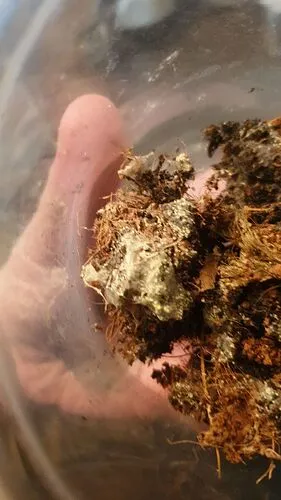
Regularly inspecting your tarantula’s enclosure is essential for early mold detection. Mold can manifest in various forms, so knowing what to look for is crucial. Begin by visually examining the substrate, decorations, and the enclosure walls. Mold can appear as fuzzy, discolored patches. It can be white, black, green, or even orange, depending on the species. Pay close attention to areas that are consistently damp, such as near water dishes, under hides, and in corners of the enclosure. Mold often starts in these locations due to the increased moisture levels. Furthermore, the smell inside the enclosure can also provide clues. A musty or earthy odor is a common indication of mold growth. If you notice any of these signs, it’s time to take action.
Signs of Mold Infestation
Several visual cues can alert you to a mold problem. Look for fuzzy or discolored patches on the substrate, such as the substrate, cork bark, or any other decorations within the enclosure. These patches often appear as white, black, green, or even orange spots. Additionally, mold can grow on the enclosure walls, particularly in corners or areas with poor ventilation. The presence of a musty or earthy odor emanating from the enclosure is another telltale sign. If you observe any of these indicators, investigate further to determine the extent of the mold infestation and take appropriate measures to address the problem. Furthermore, be vigilant about any changes in your tarantula’s behavior, such as lethargy or loss of appetite, which could indicate a health issue stemming from mold exposure.
Potential Health Risks
Exposure to mold poses several health risks to your pet tarantula. Mold can release mycotoxins, which are harmful substances that can cause respiratory problems and skin irritation. These toxins can weaken the tarantula’s immune system, making it more susceptible to other diseases and infections. In severe cases, prolonged exposure to mold can lead to more serious health complications, potentially impacting the tarantula’s overall well-being and lifespan. Therefore, it’s critical to take swift action to eliminate mold and provide a clean, healthy habitat for your tarantula. Moreover, mold spores can also trigger allergic reactions in humans, so it’s important to wear gloves and a mask when handling or cleaning a moldy enclosure to protect yourself from exposure.
Preventing Mold in Your Pet Tarantula’s Habitat
Preventing mold growth is far easier than treating an infestation. Prevention involves creating an environment that’s not conducive to mold growth. This includes maintaining proper humidity levels, ensuring good ventilation, cleaning the enclosure regularly, and choosing the right substrate. By implementing these preventative measures, you can significantly reduce the risk of mold and keep your tarantula healthy and happy. Remember that consistency is key when it comes to mold prevention. Establishing a regular maintenance routine will help you catch potential issues early and maintain a safe habitat for your pet.
Maintaining Proper Humidity Levels
Humidity is a critical factor in a tarantula’s environment, but excessive humidity can lead to mold. Research the specific humidity requirements for your tarantula species and monitor the enclosure’s humidity levels accordingly. Use a hygrometer to measure humidity accurately. The ideal humidity range varies depending on the species, but typically falls between 60-80%. To control humidity, use a shallow water dish, and mist the enclosure with dechlorinated water when necessary. Avoid over-misting, as this can create excessively humid conditions. Ensure that the substrate isn’t constantly saturated, and allow the enclosure to dry out slightly between misting sessions. Regular monitoring and adjustments are key to maintaining the right balance.
Ensuring Good Ventilation
Proper ventilation is essential for preventing mold growth. Adequate airflow helps to reduce humidity and prevents moisture from accumulating in the enclosure. Most tarantula enclosures are designed with ventilation in mind, often featuring vents on the top or sides. Make sure these vents are not blocked by substrate or decorations. If your enclosure has poor ventilation, consider adding additional vents or using a small computer fan to circulate air. Avoid placing the enclosure in a drafty area, as this can lead to fluctuating temperatures and humidity levels. Consistent ventilation combined with appropriate humidity control, will provide a healthy environment for your tarantula and minimize the risk of mold.
Cleaning the Enclosure Regularly

Regular cleaning is fundamental to preventing mold growth. Remove uneaten food, shed exoskeletons, and any other organic debris promptly. These items can decompose and contribute to mold growth. Spot-clean the enclosure at least once a week, and perform a complete substrate change every few months, depending on the species and the size of the enclosure. When cleaning, use a mild, reptile-safe disinfectant to clean the enclosure surfaces and decorations. Avoid using harsh chemicals, which can be harmful to your tarantula. Always rinse the enclosure thoroughly after cleaning and allow it to dry completely before returning your tarantula. Regular maintenance and cleaning are the most effective strategies for avoiding mold and keeping your tarantula’s habitat sanitary.
Choosing the Right Substrate
The choice of substrate can significantly impact the risk of mold. Some substrates are more prone to mold growth than others. Avoid using substrates that retain excessive moisture, such as sphagnum moss, unless specifically recommended for your tarantula species. Good substrate choices include coco fiber, peat moss, or a mix of these materials. These substrates provide good drainage and aeration, which helps to prevent mold. Be sure to replace the substrate regularly to prevent the accumulation of waste and organic matter, which can fuel mold growth. Consider adding springtails or isopods to your enclosure. These helpful creatures will break down organic matter and help to keep the enclosure clean. Selecting the right substrate is a key element in preventing mold.
Treating Mold in Your Tarantula’s Enclosure
If you discover mold in your tarantula’s enclosure, prompt action is necessary to eliminate it. The treatment process involves several steps, including removing the mold, cleaning and disinfecting the enclosure, and, if necessary, treating your tarantula. The severity of the mold infestation will determine the extent of the treatment needed. Early detection is crucial to minimize the impact on your tarantula’s health. Always prioritize the safety of your tarantula during the treatment process. Be careful when handling the enclosure and the tarantula, and avoid using harsh chemicals. If the infestation is severe, or if you’re not comfortable, seek professional assistance from an experienced veterinarian or tarantula expert.
Removing Mold Effectively

The first step in treating a mold infestation is to remove the mold. Carefully remove your tarantula from the enclosure and place it in a temporary, clean container. Dispose of the moldy substrate, being sure to wear gloves and a mask to avoid inhaling mold spores. Remove any decorations or items that have mold on them. If the mold is on a decorative item, you may be able to salvage it by cleaning it thoroughly, but it is often best to discard it. Wipe down the enclosure surfaces with a damp cloth to remove any loose mold spores. Dispose of all moldy materials in a sealed bag to prevent the spores from spreading to other areas of your home. Removing the source of the mold is the first step to getting rid of it, and providing your tarantula with a safe environment.
Cleaning and Disinfecting the Enclosure
After removing the mold, thoroughly clean and disinfect the enclosure. Use a reptile-safe disinfectant to eliminate any remaining mold spores. Follow the product instructions carefully, and ensure the disinfectant is safe for tarantulas. Allow the disinfectant to sit for the recommended time to ensure it kills any lingering mold spores. Rinse the enclosure thoroughly with water to remove all traces of the disinfectant. Let the enclosure dry completely before adding fresh substrate and returning your tarantula. Consider baking the enclosure to sterilize it, provided it is made of a heat-resistant material. The process of cleaning and disinfecting will create a safe and healthy habitat.
Treating Your Tarantula
In some cases, your tarantula may have been exposed to mold and require treatment. If you notice any signs of illness, such as lethargy, loss of appetite, or unusual behavior, consult a veterinarian experienced in treating arachnids. The veterinarian may perform a physical examination and run tests to assess your tarantula’s health. Treatment options may include antifungal medications or supportive care. It’s crucial to act quickly if you suspect your tarantula is ill, as early intervention can significantly improve the outcome. Quarantine the tarantula if you suspect illness or mold exposure, and provide a clean and stress-free environment to aid in recovery. Always follow the veterinarian’s instructions carefully and administer medications as prescribed.
When to Seek Professional Help

While you can handle minor mold issues at home, it is important to know when to seek professional help. If the mold infestation is extensive, or if you are uncomfortable handling the situation, contact a veterinarian or experienced tarantula keeper. Similarly, if your tarantula shows any signs of illness or distress, seek professional advice promptly. A veterinarian can assess your tarantula’s health, diagnose any potential problems, and provide appropriate treatment. They can also offer guidance on preventing future mold infestations. Don’t hesitate to seek professional help if you are unsure or concerned about your tarantula’s well-being. Your tarantula’s health and safety are of utmost importance.
Long-Term Mold Prevention Strategies
Preventing mold requires a long-term commitment to maintaining a healthy environment for your pet tarantula. This includes regular monitoring and inspection, maintaining a healthy environment, and the proper quarantine of any new tarantulas. These proactive measures will help minimize the risk of mold and ensure your tarantula’s long-term health and happiness. By establishing good habits and remaining vigilant, you can provide the best possible care for your pet.
Regular Monitoring and Inspection
Make regular monitoring and inspection a routine part of your tarantula care. Inspect the enclosure at least weekly for any signs of mold growth, such as unusual patches, discoloration, or a musty smell. Observe your tarantula’s behavior and appetite for any changes that might indicate a health issue. Keep a log of your observations, noting any changes in the enclosure or the tarantula’s behavior. This record will help you identify potential problems early and take appropriate action. Catching issues early on is essential for the well-being of your tarantula. Early detection will ensure you take prompt action before it becomes a major problem. Consistent monitoring provides a layer of protection.
Maintaining a Healthy Environment

Maintaining a healthy environment involves consistent practices that prevent mold. This includes maintaining proper humidity levels, ensuring good ventilation, cleaning the enclosure regularly, and choosing the right substrate. Adhere to a regular cleaning schedule, removing uneaten food, shed exoskeletons, and other organic debris promptly. Choose a substrate that promotes good drainage and aeration. Ensure your tarantula’s enclosure is in a location with stable temperatures and humidity. Avoid placing the enclosure in a location with excessive sunlight or temperature fluctuations. By implementing these measures, you can help create an environment that prevents mold. Proper maintenance is a key component of a thriving enclosure.
The Importance of Quarantine for New Tarantulas
Quarantine is essential when introducing a new tarantula to your collection. Quarantine involves isolating the new tarantula in a separate enclosure for a period of time, typically 30-60 days, to monitor its health and prevent the spread of any potential diseases or parasites. During quarantine, observe the new tarantula closely for any signs of illness, such as lethargy, loss of appetite, or unusual behavior. Also, inspect the enclosure for any signs of mold or other problems. Quarantine the tarantula and monitor it carefully for any signs of illness or mold. This will prevent introducing any potential problems into your collection. Maintaining a quarantine period is an important preventative measure.