What is an Olive Baboon Tarantula
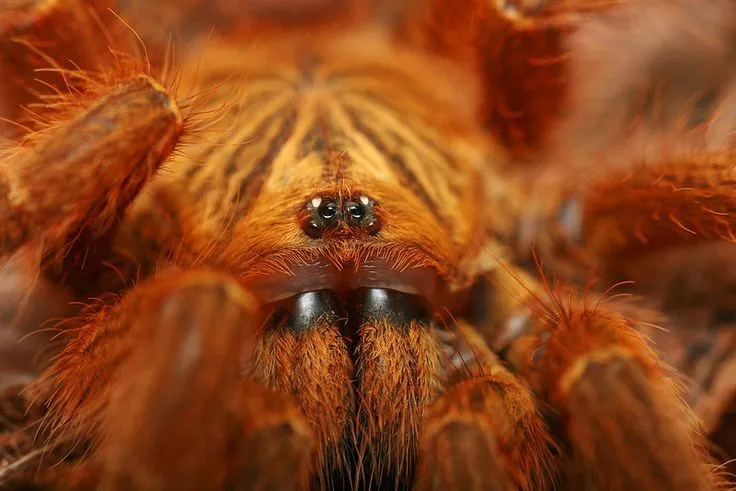
The Olive Baboon Tarantula, scientifically known as Augacephalus ezebeli, is a fascinating and often misunderstood arachnid native to the African continent. These spiders are popular among tarantula enthusiasts due to their unique appearance and relatively manageable care requirements. They get their name from their somewhat hairy appearance and the olive-brown coloration that often blends with their natural surroundings. Understanding these creatures requires delving into their characteristics, behavior, and the environments they thrive in. This guide will uncover seven key facts about the Olive Baboon Tarantula.
Appearance and Characteristics
Size and Physical Features

Olive Baboon Tarantulas are medium to large spiders, with females generally being larger than males. The average leg span of an adult can range from 5 to 7 inches. Their bodies are robust, and they possess powerful legs, adapted for both walking and burrowing. These spiders are covered in a dense layer of hairs, which gives them a slightly furry appearance, contributing to the ‘baboon’ aspect of their name. Their size and build are essential adaptations that allow them to hunt and survive in their native habitats.
Coloration and Markings
The coloration of the Olive Baboon Tarantula is primarily olive-brown, though the exact shade can vary depending on the individual spider and its environment. This coloration provides excellent camouflage within their natural habitat, making them difficult to spot by both predators and prey. Some individuals may exhibit subtle markings, such as slightly lighter or darker patches on their legs or carapace. The overall muted tones allow them to blend with the substrate and foliage of their environment, offering a significant survival advantage.
Natural Habitat and Distribution
Geographical Location

Olive Baboon Tarantulas are primarily found in sub-Saharan Africa. Their distribution includes countries like South Africa, Zimbabwe, and Mozambique. They typically inhabit regions with warm temperatures and moderate humidity, where they can thrive in a variety of environments. Their presence in these areas is tied to specific climatic conditions and the availability of suitable habitats that support their survival.
Preferred Environment
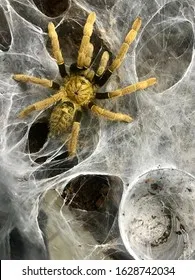
These tarantulas are terrestrial and prefer to burrow or seek shelter in the ground. They often construct burrows in the soil or utilize natural crevices under rocks or logs. The ideal environment for an Olive Baboon Tarantula includes a substrate that allows for burrowing, such as a mixture of coco coir, peat moss, and vermiculite. They also require a humidity level appropriate for their specific needs, along with a temperature gradient to maintain their health. Proper environmental setup is essential for their well-being in captivity.
Behavior and Temperament
Defensive Mechanisms

Olive Baboon Tarantulas are known for their defensive nature. When threatened, they may exhibit a threat posture, raising their front legs and fangs, and hissing to ward off potential predators. Although they are not known to have urticating hairs like some New World tarantula species, their bite can be painful. The spider will inject venom as a defense mechanism. While the venom is not typically lethal to humans, it can cause significant localized pain, muscle cramps, and other symptoms. It is crucial to handle them with care.
Typical Behavior
In captivity, they tend to be secretive, often spending much of their time in their burrows or hiding places. They are nocturnal hunters, becoming most active during the night. They typically ambush their prey rather than actively pursuing it. Observing an Olive Baboon Tarantula’s behavior requires patience and attention to their natural habits. Understanding their behavioral patterns will allow for proper care and habitat maintenance.
Diet and Feeding Habits
Food Preferences
These tarantulas are carnivorous, primarily feeding on insects. Their diet in the wild consists of a variety of prey, including crickets, cockroaches, beetles, and other invertebrates. In captivity, they can be fed a similar diet. The food provided should be appropriately sized for the spider, considering their size and growth stage. A varied diet ensures that the tarantula receives all the necessary nutrients for healthy development and longevity.
Feeding Frequency
The feeding frequency depends on the tarantula’s age and size. Young spiders should be fed more frequently, typically every few days. Adult Olive Baboon Tarantulas can be fed less often, perhaps once or twice a week. Overfeeding should be avoided, as it can lead to health issues. Providing water is as important as food, so fresh water should always be available.
Lifespan and Reproduction
Average Lifespan

Female Olive Baboon Tarantulas can live for an impressive 10 to 15 years, or sometimes even longer in captivity. Males have a much shorter lifespan, typically only living for a few years after reaching maturity. This difference in lifespan is common among tarantula species. The long lifespans of females contribute to the appeal of these spiders as pets.
Mating and Egg Laying
Mating involves a complex courtship ritual. After mating, the female will lay eggs inside an egg sac, which she will fiercely protect. The egg sac can contain hundreds of eggs, and the spiderlings will develop inside before emerging. Breeding Olive Baboon Tarantulas in captivity requires careful planning. It’s important to understand the process to ensure the best possible outcome.
Common Health Issues and Care
Common Diseases

Olive Baboon Tarantulas, like all tarantulas, can be susceptible to certain health problems, though they are generally hardy creatures. Common issues include fungal infections, mites, and problems associated with molting. Maintaining proper humidity, sanitation, and a clean environment is key to preventing these problems. Regular observation is important to spot any problems.
Basic Care Tips
Providing proper care is crucial for the health and well-being of an Olive Baboon Tarantula. This includes providing appropriate housing, a suitable substrate for burrowing, maintaining proper temperature and humidity levels, and providing a balanced diet. Regular monitoring of the tarantula’s behavior and health is also essential. When handling a tarantula, make sure that you do it in a space that is safe and away from any elevated surfaces.
Conservation Status and Threats
Threats to Survival
While the Olive Baboon Tarantula is not currently listed as endangered, several threats can impact their populations. Habitat loss due to deforestation and human development is a significant concern. Over-collection for the pet trade can also pose a risk if not managed sustainably. Wildfires and climate change might also affect their habitats.
Conservation Efforts
Conservation efforts are important to ensure the survival of this species. These efforts include habitat preservation, sustainable practices within the pet trade, and raising public awareness about tarantula conservation. Support for conservation organizations and responsible pet ownership practices are crucial in protecting these fascinating creatures for the future.
Conclusion
The Olive Baboon Tarantula is a remarkable species, with unique characteristics, behaviors, and requirements. This comprehensive guide provides a better understanding of the fascinating world of this tarantula. By understanding their care, habitat needs, and conservation status, enthusiasts can properly appreciate and ensure their survival. Whether you are a seasoned arachnid enthusiast or are just starting out, these creatures offer a glimpse into the world of exotic pets.