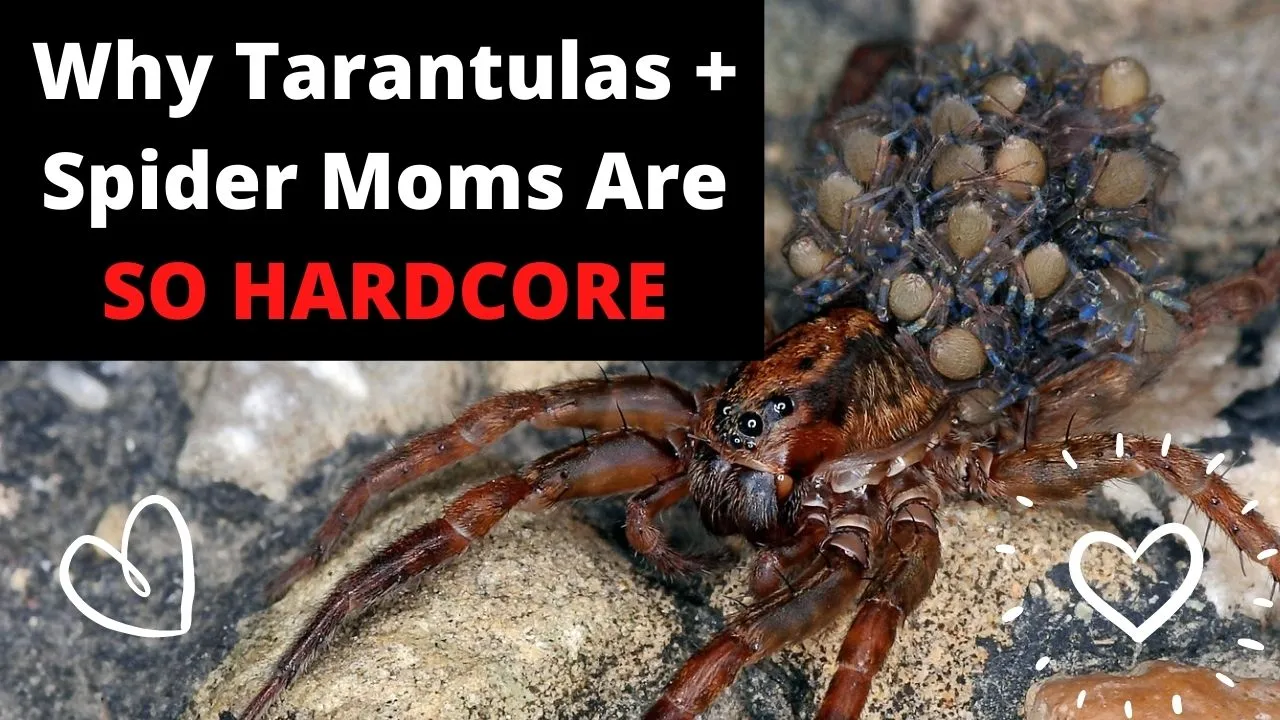
Mother Tarantula: Top 5 Facts
The world of tarantulas is fascinating, and the role of the mother tarantula is particularly intriguing. These remarkable creatures display complex behaviors and play a crucial role in the survival of their species. This article will delve into five key facts about mother tarantulas, providing a comprehensive understanding of their life cycle, habits, and significance in the ecosystem. From their physical characteristics to their maternal instincts, we’ll explore what makes these spiders so unique. Prepare to be amazed by the intricate details of their lives.
What is a Mother Tarantula?
A mother tarantula is essentially the adult female of the species. She’s responsible for laying eggs and protecting them until they hatch. Unlike some animals, tarantulas don’t form strong social bonds; the mother’s primary role is to ensure the survival of her offspring through the initial stages of life. Understanding this role is essential to appreciating the intricacies of their life cycle, and how their behaviors reflect the natural world. Her primary function is to safeguard her eggs and spiderlings from predators and environmental threats. The mother tarantula’s dedication is a testament to the resilience of these creatures and a key factor in the survival of their species.
Defining the Role

The role of a mother tarantula is multifaceted. She provides protection, ensures the eggs receive adequate conditions for development, and sometimes even feeds the young spiderlings initially. Her maternal instincts are crucial for the survival of the next generation. This nurturing behavior is particularly evident in the care of the egg sac, a protective cocoon that houses the eggs. The mother tarantula diligently guards the egg sac, preventing any harm and ensuring optimal environmental conditions for the developing embryos. It is a demanding role, but fundamental for the continuation of tarantula populations.
Physical Characteristics
Mother tarantulas are usually larger than males, a trait known as sexual dimorphism. Their size can vary depending on the species, but they generally have a robust build. Their bodies are covered in hairs, which serve as sensory organs and help them detect vibrations. These hairs also play a role in defense, as some can cause irritation if they come into contact with predators. The coloration of mother tarantulas varies widely. Some have a camouflage pattern to blend with their environment, while others boast vibrant colors to warn potential predators of their toxicity. This diversity in appearance enhances their survival in different habitats and showcases the evolutionary adaptations. (Image: mother-tarantula-overview.webp)
Fact 1: Size and Lifespan
Mother tarantulas are known for their longevity, often living for several decades. This extended lifespan contributes to their reproductive success, as they can lay multiple egg sacs throughout their lives. The size of a mother tarantula also varies depending on the species, but they tend to be larger than their male counterparts. For example, some species can reach up to 10 inches in leg span. This larger size provides an advantage in terms of defense and egg production. Their robust size allows them to consume larger prey and withstand environmental challenges, which is critical for their survival and reproduction. The extended lifespan and considerable size differentiate them from other spider species.
Fact 2: Egg Sacs and Reproduction

Reproduction is a central aspect of a mother tarantula’s life. After mating, the female produces an egg sac, a silken pouch where she deposits her eggs. The mother tarantula carefully protects the egg sac, guarding it from potential threats until the eggs hatch. The egg sac is a crucial element of their reproductive strategy, providing a safe environment for the developing embryos. The care of the egg sac is a primary responsibility, reflecting her dedication to the survival of her offspring. (Image: mother-tarantula-egg-sac.webp)
The Egg Sac
The egg sac is a marvel of nature’s design. The mother tarantula constructs this protective casing from silk, encasing her eggs in a safe haven. This protective layer shields the eggs from environmental hazards and predators. The mother continuously monitors the egg sac, maintaining the correct humidity and temperature. The egg sac is essential for the successful development of the spiderlings, offering them the best possible chance to hatch and survive. The care of the egg sac highlights the mother tarantula’s role in ensuring the next generation’s survival.
Spiderlings
Once the eggs hatch, the spiderlings, or baby tarantulas, emerge. Initially, they stay close to their mother and the remnants of the egg sac. The mother tarantula might provide some initial protection, but soon the spiderlings disperse to start their independent lives. These young spiders must fend for themselves from a very young age. The spiderlings’ journey is marked by peril, with only a fraction surviving to adulthood. The transition from the protective egg sac to the harsh realities of the wild highlights the resilience of tarantulas and their remarkable survival strategies. (Image: spiderlings-tarantula.webp)
Fact 3: Diet and Feeding Habits

Mother tarantulas are primarily carnivorous, feeding on insects, small rodents, and other invertebrates. Their diet is crucial for providing the energy and nutrients needed for egg production and overall health. They are ambush predators, waiting patiently for prey to come within striking distance. The mother tarantula’s strong fangs and potent venom allow her to subdue and consume her meals efficiently. Their diet is essential for maintaining their size and strength, enabling them to safeguard the egg sac and defend themselves. They are opportunistic hunters, adapting their feeding habits to the availability of prey in their habitat. (Image: tarantula-feeding.webp)
Fact 4: Habitat and Environment
Tarantulas inhabit diverse environments, from tropical rainforests to arid deserts. The habitat provides essential resources such as shelter and prey. The mother tarantula’s choice of habitat is critical to the success of her reproduction and the survival of her offspring. Their habitat is very important. She creates burrows or utilizes natural shelters. The temperature and humidity in the surrounding environment is important. They need to be suitable for egg development and the spiderlings’ growth. The environment is an important factor for the mother’s life. (Image: tarantula-habitat.webp)
Fact 5: Venom and Defense Mechanisms
Mother tarantulas possess venom, primarily used to immobilize prey. The venom is not lethal to humans, though a bite can be painful. In addition to venom, they have other defense mechanisms, such as kicking hairs from their abdomen, which cause irritation. These adaptations help protect them from predators and environmental threats. The venom is very useful. They use it to protect their nest. Defense mechanisms are crucial for the tarantula’s survival in the wild. They employ a combination of tactics to ward off attackers. (Image: tarantula-venom.webp)
Conclusion

Mother tarantulas are truly remarkable creatures, playing a vital role in their ecosystems. Their dedication to reproduction, the creation of egg sacs, and the protection of spiderlings. Their defense mechanisms, and their ability to thrive in various habitats underscore their resilience and adaptability. Their life cycle and habits are an ongoing subject of study, providing insights into the intricate web of life and the strategies employed by these fascinating arachnids. (Image: tarantula-molting.webp)