Missouri Tarantulas: Top 5 Facts
The Missouri tarantula, a fascinating arachnid, often sparks curiosity and sometimes, apprehension. These large, hairy spiders are a notable part of Missouri’s diverse ecosystem. Understanding these creatures is key to appreciating their role in the environment and dispelling common misconceptions. This guide presents five key facts, designed to give you a comprehensive overview of the Missouri tarantula, from its physical characteristics and habitat to its behavior and life cycle. By exploring these facts, you’ll gain a deeper understanding of these often-misunderstood creatures. Prepare to uncover the secrets of the Missouri tarantula, and discover what makes it a unique and intriguing species.
Appearance & Identification
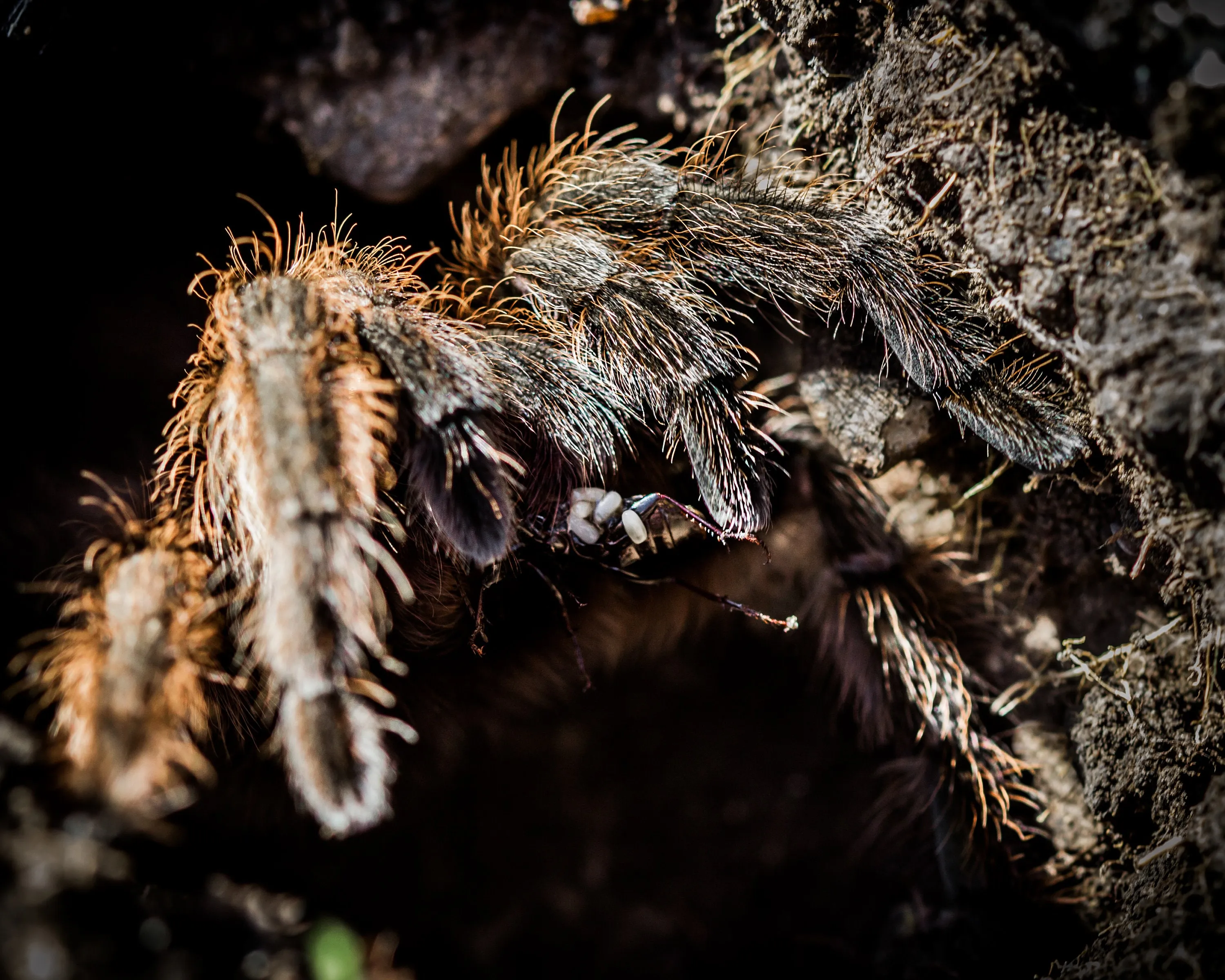
Identifying a Missouri tarantula begins with recognizing its distinctive physical features. These spiders are easily distinguished by their large size and robust, hairy bodies. The females are generally larger than the males. Their bodies are covered in dense setae (hairs) that provide sensory information and contribute to their overall appearance. The presence of pedipalps, which resemble small legs near the mouth, is another key characteristic. These features are essential for grasping prey and mating. Being able to identify these physical traits is critical to differentiating a Missouri tarantula from other spider species you may encounter in Missouri.
Size and Physical Characteristics

The size of a Missouri tarantula can vary, but they are generally quite large spiders. Body length can range from 1 to 3 inches, with a leg span that can reach up to 5 inches in mature females. The males tend to be slightly smaller. The bulk of their size is due to their large abdomen and robust legs. This size, combined with their hairy appearance, can make them appear intimidating to those unfamiliar with these spiders. Understanding the size range helps in accurate identification and appreciation of these impressive arachnids. The spider’s overall size is a significant factor in their hunting capabilities and their ability to survive in their habitat.
Coloration and Markings
Missouri tarantulas typically display a range of colors, often including shades of brown, tan, and black. These colors can vary depending on the age and the specific species of the tarantula. Some may have lighter-colored hairs or markings on their legs and abdomen. The coloration provides camouflage in their natural habitat. The patterns and markings help them blend with the environment, aiding in hunting and protection from predators. The subtle variations in color and pattern are useful for identification, though it’s important to consider other characteristics as well.
Habitat and Distribution
Understanding the habitat and distribution of Missouri tarantulas is essential to knowing where you might encounter them. They are primarily found in the grasslands, open woodlands, and rocky areas of the state. Knowing the specific areas they inhabit can help you avoid unnecessary encounters or appreciate them from a safe distance. These spiders prefer habitats that offer shelter from the elements and ample opportunities to hunt. Their presence is an indication of a healthy and diverse ecosystem. They contribute to the balance of nature through their role as predators, keeping insect populations in check.
Where Missouri Tarantulas Live

Missouri tarantulas are most often found in the southern parts of the state, where the climate and terrain are more suitable for their survival. They tend to inhabit burrows, which they create in the ground or utilize natural crevices under rocks and logs. These burrows provide protection from predators and extreme temperatures. During the day, they often remain hidden within their burrows, emerging primarily at night to hunt. Being aware of these living spaces can help you understand their behavior and potential locations within their habitat. This behavior is an example of their adaptability and survival strategies.
Preferred Habitats
Their preferred habitats include areas with well-drained soil and a moderate amount of vegetation. These conditions provide the perfect environment for their burrows and their prey. You’ll often find them in open grasslands, open woodlands, and rocky hillsides, where they can effectively hunt and find shelter. The availability of insects and other small invertebrates is crucial for their survival. Recognizing these preferred environments can help you appreciate the specific ecological needs of the Missouri tarantula. The spiders’ habitat selection is a clear example of their specific needs for survival.
Behavior & Lifestyle
Missouri tarantulas are largely nocturnal creatures, meaning they are most active during the night. They are solitary animals, with the exception of mating periods. Their behavior is primarily focused on hunting and survival. Their lifestyle is an interesting adaptation to their environment. Being aware of their behavioral patterns helps in understanding the interactions and ecological roles of these spiders. They are not aggressive spiders, but they will defend themselves if threatened. Learning about their lifestyle is essential to appreciating their unique behaviors.
Hunting and Diet

Missouri tarantulas are primarily ambush predators. They wait in or near their burrows, sensing vibrations from passing prey. Their diet consists mainly of insects, but they will also consume other invertebrates. They inject venom to immobilize their prey before consuming it. The hunting process is a key aspect of their survival, with the tarantula’s size and venom contributing to its effectiveness. Their diet helps to regulate the populations of insects and invertebrates. The spiders’ hunting strategies offer a fascinating glimpse into their survival adaptations.
Defensive Mechanisms
When threatened, Missouri tarantulas have several defensive mechanisms. They can flick urticating hairs from their abdomen, which can cause skin irritation in potential predators. They also have the ability to bite, though their venom is not considered highly dangerous to humans. They are generally not aggressive and will try to avoid confrontation. Their primary goal is survival. Their defense mechanisms are essential to their survival and provide a clear demonstration of their adaptive abilities in their habitat.
Reproduction and Life Cycle
The reproduction and life cycle of Missouri tarantulas are complex processes that involve distinct stages. The mating season typically occurs in the late summer and early fall. After mating, the female lays eggs in an egg sac, which she carefully guards. The spiderlings develop through several molting stages before reaching adulthood. These stages are critical to the survival and perpetuation of the species. Understanding their life cycle is essential to knowing how these spiders contribute to the ecosystem. The process demonstrates the fascinating adaptations involved in tarantula survival.
Mating Rituals

Mating rituals of Missouri tarantulas can be elaborate. The male will approach the female’s burrow and use a variety of signals, including drumming on the ground and releasing pheromones, to attract her attention. If the female is receptive, they will mate. The male must be cautious, as the female might see him as prey if not careful. The male will usually leave after mating to avoid being eaten. The mating process is critical for perpetuating the species, which provides an example of the spiders’ survival mechanisms.
Egg Sacs and Spiderlings
After mating, the female produces an egg sac, which can contain hundreds of eggs. She carefully guards the egg sac, protecting it from predators. The spiderlings hatch from the eggs and go through several molting stages, growing larger with each molt. The spiderlings will eventually disperse, establishing their own burrows. The whole process, from the egg sac to the spiderlings, is fundamental to the continuation of the Missouri tarantula population. The care the female provides is crucial for the spiderlings’ early survival.
Conservation Status and Threats
The Missouri tarantula is not currently listed as endangered, but it faces several threats. Habitat loss due to urbanization and agriculture poses a major risk to their survival. The use of pesticides can also affect their food supply. It is important to understand the conservation status and current threats facing this species. Being aware of these threats is critical for future conservation efforts. By understanding the challenges faced by the Missouri tarantula, you can take steps to support its survival.
In conclusion, the Missouri tarantula is a captivating species that plays a vital role in its ecosystem. Through these facts, we’ve explored its appearance, habitat, behavior, and life cycle. Understanding these aspects fosters appreciation and respect for these spiders. By promoting awareness and supporting conservation efforts, we can help ensure that Missouri tarantulas continue to thrive for future generations. They are a fascinating part of our local environment.