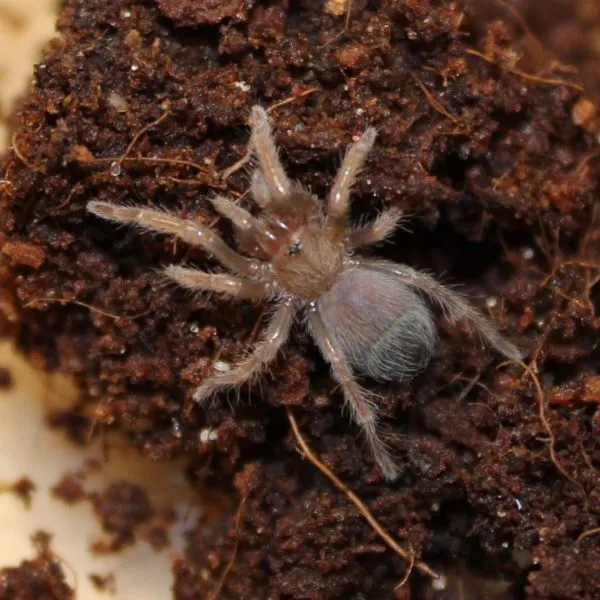
Mexican Red Leg Tarantula Lifespan Top 5 Facts
The Mexican Red Leg Tarantula, a captivating creature with vibrant coloration and a fascinating life cycle, has become a popular pet for arachnid enthusiasts. One of the most common questions among potential owners is how long these beautiful spiders live. Understanding the lifespan of a Mexican Red Leg Tarantula is essential for providing proper care and ensuring the well-being of your eight-legged companion. This guide will delve into five key facts about the lifespan of these tarantulas, providing valuable insights for both new and experienced owners. From the average lifespan to factors affecting longevity and common health issues, this post is designed to equip you with the knowledge needed to care for your Mexican Red Leg Tarantula.
Fact 1 Average Lifespan of Mexican Red Legs
The average lifespan of a Mexican Red Leg Tarantula varies between males and females. Female Mexican Red Legs tend to live significantly longer than males, a common trait among tarantula species. On average, a female Mexican Red Leg Tarantula can live for 10 to 20 years, sometimes even longer under optimal care. This longevity is a major draw for owners seeking a long-term pet. Males, on the other hand, have a much shorter lifespan. After reaching maturity, typically around 2 to 3 years old, males often live for only a few months to a year. This difference is due to their role in reproduction and the stress associated with mating.
Understanding the Lifespan Differences Between Males and Females

The disparity in lifespan between male and female Mexican Red Leg Tarantulas is a critical consideration for owners. Females, due to their longer lifespan, require a more significant long-term commitment. Understanding the molting process, where the tarantula sheds its exoskeleton, is crucial as well. Each molt is a sign of growth, and the frequency of molting decreases as the tarantula ages. Males, after reaching maturity, focus on finding a mate, which impacts their lifespan. The stress of searching for a mate, mating itself, and the potential for being eaten by the female all contribute to their shorter lives. When acquiring a tarantula, consider the sex of the tarantula, this is a huge factor to consider with the long-term commitment, and care requirements.
Fact 2 Factors Influencing Mexican Red Leg Longevity
Several factors can significantly influence the lifespan of a Mexican Red Leg Tarantula. Providing the right environment, a balanced diet, and good health practices can help ensure a long and healthy life for your pet. Neglecting these aspects can lead to a shorter lifespan and various health problems. The factors can include temperature, humidity, diet, enclosure size, and the amount of enrichment provided.
Temperature and Humidity Levels
Maintaining the correct temperature and humidity levels is vital for a Mexican Red Leg Tarantula’s well-being. These tarantulas thrive in a warm and humid environment, mimicking their natural habitat. The ideal temperature range is typically between 75 to 85°F (24 to 29°C). Humidity levels should be kept between 60% and 70%. Too low, and the tarantula can experience dehydration. Too high, and it can lead to mold and bacterial growth, which can be harmful to the tarantula. Proper ventilation, along with regular monitoring using a hygrometer, will help achieve the optimum environmental conditions.
Diet and Nutrition

A balanced diet is essential for a tarantula’s health and longevity. Mexican Red Legs are primarily insectivores, so their diet should consist mainly of insects. Crickets, mealworms, and roaches are common food sources. The size of the insects should be appropriate for the tarantula’s size; avoid feeding insects that are too large. It is also important to provide a varied diet, ensuring that the tarantula receives a range of nutrients. Additionally, providing fresh water in a shallow dish is crucial for hydration. Overfeeding can lead to health problems, so regulate the feeding frequency based on the tarantula’s age and growth stage.
Enclosure Size and Enrichment
The enclosure size and the level of enrichment play a significant role in a tarantula’s well-being. The enclosure should be large enough to allow the tarantula to move around comfortably, but not so large that it becomes difficult for the tarantula to find its food. A good rule of thumb is to provide an enclosure that is at least twice the tarantula’s leg span in width. Providing enrichment, such as hiding places, climbing structures, and a substrate suitable for burrowing, can reduce stress and encourage natural behaviors, ultimately contributing to a longer lifespan. Regularly clean the enclosure to maintain hygiene and prevent the build-up of harmful bacteria.
Fact 3 How to Maximize Your Tarantula’s Lifespan
By implementing the right care strategies, you can significantly maximize your Mexican Red Leg Tarantula’s lifespan and enhance its quality of life. This involves creating an optimal environment, ensuring a balanced diet, and minimizing stress. Careful attention to these details will provide your tarantula with the best possible conditions for a long and healthy life.
Providing Optimal Environmental Conditions

Maintaining the perfect temperature and humidity levels is the cornerstone of tarantula care. Use a reliable thermostat and hygrometer to monitor these conditions regularly. Ensure the enclosure has proper ventilation to prevent the build-up of stale air and harmful bacteria. Make sure you are using the correct substrate; this helps regulate humidity and offers a place for your tarantula to burrow. By consistently providing an ideal environment, you are minimizing the risk of health issues and supporting the tarantula’s overall well-being.
Feeding a Balanced Diet
Offering a balanced and varied diet is crucial. Provide a selection of appropriately sized insects, such as crickets, mealworms, and roaches. Supplement these insects with occasional treats to add variety and ensure they are gut-loaded with nutritious foods before offering them to your tarantula. Avoid overfeeding your tarantula, which can lead to health problems. Instead, feed it an amount that it can consume without leaving leftovers, adjusting the feeding frequency based on the tarantula’s age and growth.
Avoiding Stress and Handling
Minimize stress to help your tarantula. Tarantulas are generally solitary creatures and do not enjoy being handled. Frequent handling can lead to stress, potentially shortening their lifespan. Handle them only when necessary, such as for essential enclosure maintenance. Avoid sudden movements and loud noises near the enclosure. Providing a secure and enriched environment, with plenty of hiding places and a suitable substrate for burrowing, helps reduce stress and encourages natural behaviors.
Fact 4 Common Health Issues Affecting Lifespan

Even with the best care, Mexican Red Leg Tarantulas can experience health issues that can affect their lifespan. Recognizing these issues early and taking appropriate action is vital for maintaining their health. From dehydration to parasites, being proactive in monitoring your pet will help you catch any early warning signs and address them quickly.
Dehydration and Its Impact
Dehydration is a common health issue in tarantulas, especially in environments with low humidity. Signs of dehydration include a wrinkled abdomen, lethargy, and difficulty molting. Providing a consistent water source, such as a shallow water dish, is essential. Ensure the water dish is always clean and accessible. Regular misting of the enclosure can also help maintain adequate humidity levels. If dehydration is suspected, you might gently mist the tarantula directly with water. If the condition persists, consult with a veterinarian familiar with tarantula care.
Mites and Parasites
Tarantulas can be vulnerable to mites and other parasites, which can weaken the spider and reduce its lifespan. Mites are small, often red or white, and can be seen crawling on the tarantula or in the enclosure. Proper hygiene is key to preventing infestations. Regularly clean the enclosure and replace the substrate. If mites are detected, isolate the affected tarantula and take steps to eliminate the infestation. Consult with a vet or a tarantula expert, as various treatments are available, ranging from substrate replacement to specific mite control products.
Fact 5 Comparing the Lifespan to Other Tarantula Species

The lifespan of a Mexican Red Leg Tarantula can vary. This species typically exhibits a lifespan that is in line with many other popular pet tarantulas. Considering this, it is important to understand how it compares to other tarantula species. Some species are known for their exceptionally long lifespans, while others have lifespans comparable to, or shorter than, the Mexican Red Leg.
Lifespan of Other Popular Tarantulas
Compared to other popular pet tarantulas, the Mexican Red Leg falls within a common range. For example, the Chilean Rose Hair Tarantula, another popular choice, often lives for 10 to 20 years for females. Larger species, such as the Goliath Birdeater, can potentially live for over 25 years. On the other hand, some smaller species, such as the Dwarf Tarantulas, tend to have shorter lifespans, often only a few years. Understanding the lifespans of other tarantula species allows you to appreciate where the Mexican Red Leg falls on the spectrum and provides valuable context for their care and expectations.
Conclusion
Understanding the lifespan of a Mexican Red Leg Tarantula is key to providing proper care and ensuring a fulfilling life for your pet. With female tarantulas living longer than males, providing the right environmental conditions, a balanced diet, and minimizing stress are all essential for maximizing their longevity. Being aware of common health issues and knowing how to address them can further extend their lifespan. By applying the information in this guide, you can create the ideal environment for your Mexican Red Leg Tarantula, allowing you to enjoy the company of this fascinating species for many years to come. Consider the commitment to these beautiful creatures and be prepared for the long haul!