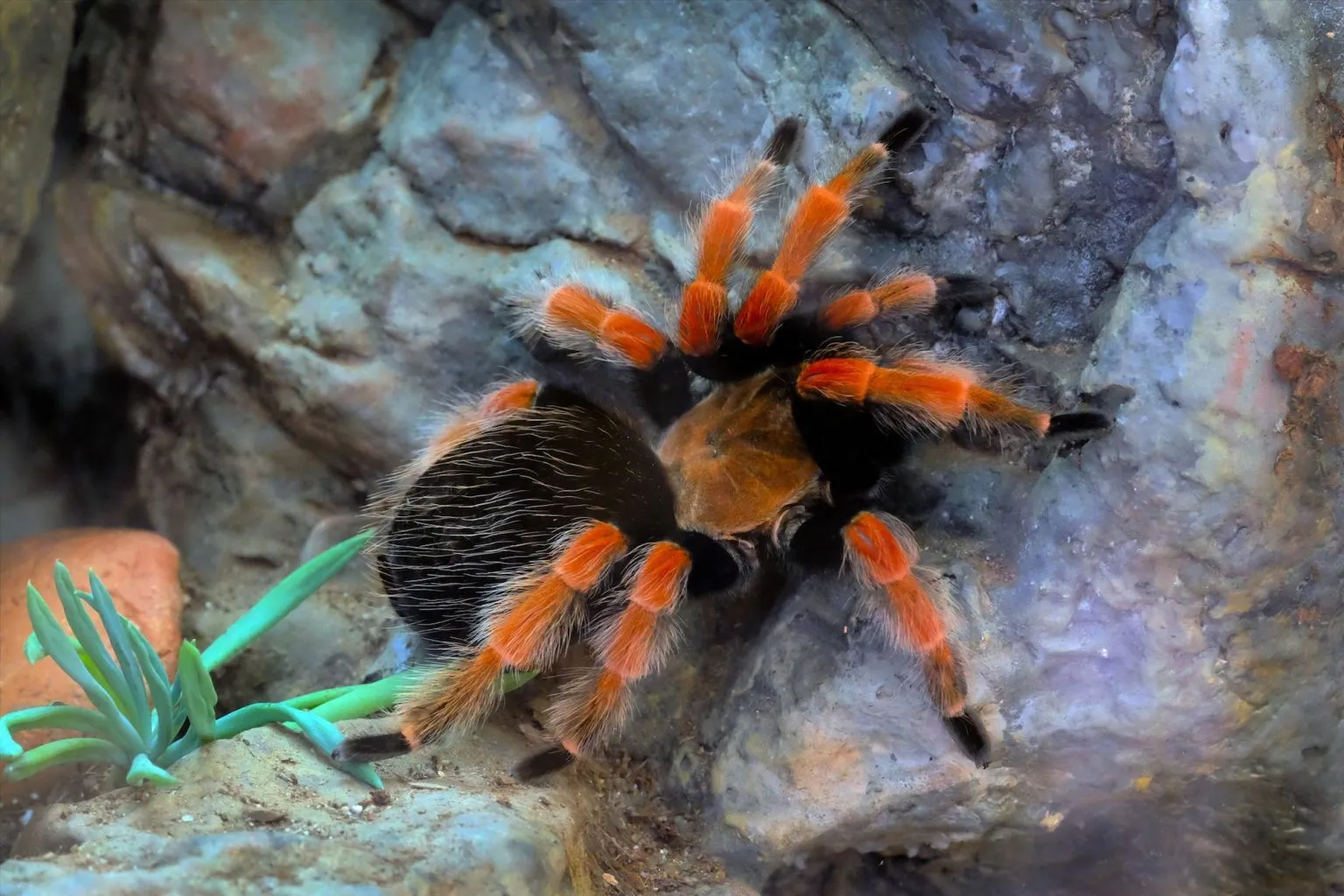
Mexican Red Knee Tarantula vs Chilean Rose Overview
Choosing a tarantula as a pet can be an exciting experience, and two of the most popular choices among beginners are the Mexican Red Knee Tarantula (Brachypelma hamorii) and the Chilean Rose Tarantula (Grammostola rosea). Both species are relatively docile, readily available, and offer a fascinating glimpse into the world of arachnids. However, they have distinct characteristics. This guide explores the top 5 facts comparing these two captivating tarantulas to help you make an informed decision.
Appearance and Physical Characteristics
Mexican Red Knee Tarantula Appearance

The Mexican Red Knee Tarantula is renowned for its striking appearance. They are large, robust tarantulas, with a leg span that can reach up to 5-6 inches. The most recognizable feature is the vibrant red-orange coloration on their “knees” (segments of their legs), contrasting beautifully with their black body and leg segments. The carapace, the upper part of their body, is typically a dark brown or black color, and they have setae (tiny hairs) covering their bodies, giving them a textured look. Their overall appearance is quite impressive, making them a visually appealing choice for many pet owners. (Image red-knee-tarantula.webp)
Chilean Rose Tarantula Appearance
The Chilean Rose Tarantula, while not as vividly colored as the Red Knee, possesses its own subtle charm. They are generally a more uniform color, ranging from shades of brown to tan or rose, depending on the individual tarantula and its geographic origin. Their leg span typically reaches around 5 inches. The overall appearance is more understated, with a less dramatic color contrast. They also have a covering of setae, but these are often less prominent compared to the Red Knee. (Image chilean-rose-tarantula.webp)
Temperament and Handling
Mexican Red Knee Tarantula Temperament

Mexican Red Knees are generally considered docile and relatively calm tarantulas. They are known to be less defensive than some other species, which makes them a good choice for those new to tarantula ownership. They may flick urticating hairs (tiny, irritating hairs) as a defense mechanism if threatened. While they are not typically aggressive, it is important to handle them with care and respect. Their bite, although not deadly to humans, can be painful, and the hairs can cause skin irritation. (Image tarantula-handling.webp)
Chilean Rose Tarantula Temperament
Chilean Rose Tarantulas are also known for their docile nature and are often recommended as beginner tarantulas. They are usually very calm and tend not to be aggressive. They may also flick urticating hairs as a defense. They tend to be more tolerant of handling, but handling should always be kept to a minimum to avoid stressing the tarantula. Both species are best observed rather than handled, as excessive handling can cause stress and potentially lead to injury. (Image tarantula-handling.webp)
Care and Habitat
Mexican Red Knee Tarantula Habitat

Both species require similar habitat setups. A 10-20 gallon terrarium is usually sufficient for an adult Red Knee. They prefer a substrate of coconut fiber, peat moss, or a mix of the two, to a depth of 4-6 inches, allowing them to burrow. The enclosure should include a hide, such as a piece of cork bark or a hollow log, to provide a secure retreat. They need a shallow water dish for drinking, and the enclosure should be kept at a temperature between 75-85°F (24-29°C) with a humidity level of 60-70%. Good ventilation is also crucial. (Image tarantula-habitat.webp)
Chilean Rose Tarantula Habitat
The Chilean Rose also thrives in a similar environment. A 5-10 gallon terrarium is often sufficient for an adult Chilean Rose. The substrate requirements and the need for a hide, water dish, and proper temperature and humidity are the same. Maintaining the correct humidity is crucial for their molting process. (Image tarantula-habitat.webp)
Lifespan and Growth
Mexican Red Knee Tarantula Lifespan

Mexican Red Knees are known for their relatively long lifespans. Females can live for 20-30 years or even longer, while males typically live for 5-10 years after reaching maturity. They grow slowly, molting (shedding their exoskeleton) periodically as they grow. The frequency of molting decreases as they age. (Image red-knee-molting.webp)
Chilean Rose Tarantula Lifespan
Chilean Roses also have a long lifespan, though generally slightly less than the Red Knee. Females can live for 15-20 years, whereas males have a shorter lifespan of approximately 5-10 years after reaching maturity. Their growth rate is similar to that of the Red Knee, with molting occurring at intervals throughout their lives. (Image chilean-rose-molting.webp)
Cost and Availability
Mexican Red Knee Tarantula Cost

Mexican Red Knees are readily available in the pet trade, making them relatively easy to find. The cost of a Red Knee tarantula can vary depending on its size, age, and the breeder, but they are generally considered affordable. You can typically find them at reptile expos, pet stores specializing in exotic animals, and online from reputable breeders. Be sure to research breeders to ensure you are purchasing a healthy tarantula. (Image tarantula-feeding.webp)
Chilean Rose Tarantula Cost
Chilean Rose tarantulas are also widely available and are often less expensive than Mexican Red Knees. Their lower price point makes them a popular choice for beginners. Availability is high, as they are often bred in captivity. When purchasing a Chilean Rose, just like with any pet, it’s important to choose a healthy specimen from a reputable source to ensure the long-term well-being of your new pet. (Image tarantula-feeding.webp)
In conclusion, both the Mexican Red Knee and the Chilean Rose Tarantula make excellent pets for beginners. The Red Knee’s striking appearance may appeal to some, while the Chilean Rose offers a more budget-friendly and equally captivating option. Consider your personal preferences, budget, and experience level to determine which species is the right fit for you. Regardless of your choice, owning a tarantula can be a rewarding experience, offering a unique window into the fascinating world of arachnids.