Understanding the Mexican Red Knee Tarantula
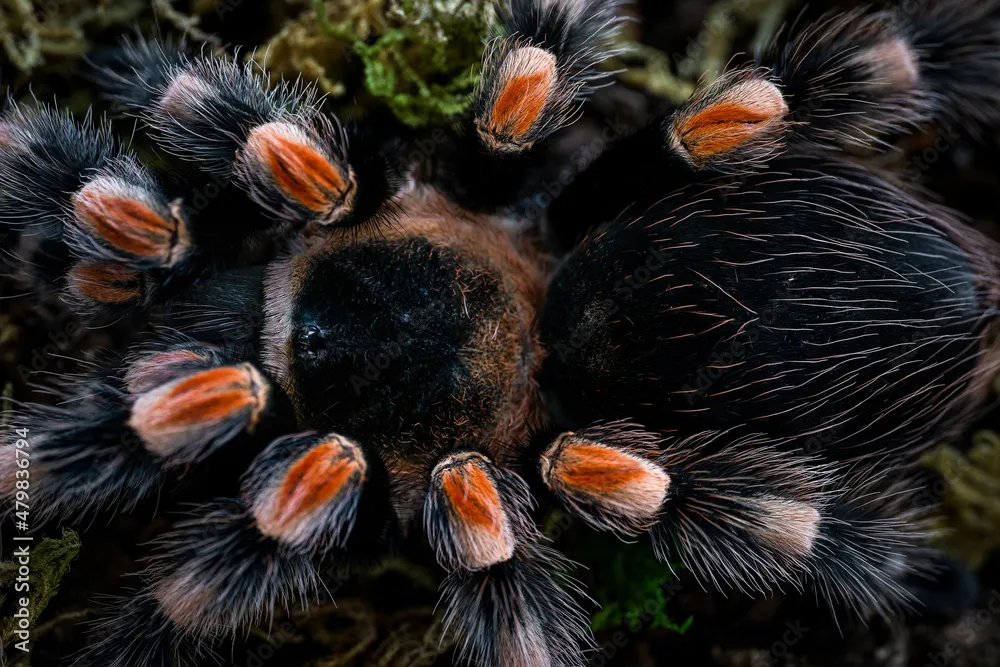
The Mexican Red Knee Tarantula (Brachypelma hamorii) is a captivating creature, popular among tarantula enthusiasts due to its striking coloration and relatively docile temperament. These spiders are native to the Pacific coast of Mexico, thriving in dry, scrubland environments. Before delving into their growth, understanding their natural habitat and basic biology is crucial. They are terrestrial spiders, meaning they live primarily on the ground, and are known for their distinctive red-orange markings on their leg joints, contrasting beautifully with their black body. They are long-lived, with females often surviving for 20-25 years, while males have a shorter lifespan, typically 5-10 years. This longevity makes understanding their growth and care all the more important for responsible ownership. Proper care ensures a healthy and fulfilling life for these fascinating arachnids, allowing you to enjoy their presence for many years.
What Influences Mexican Red Knee Tarantula Growth
Several factors play a significant role in how quickly a Mexican Red Knee Tarantula grows to its full size. These factors interact with each other, and the optimal combination leads to healthy growth and development. Understanding these influences allows you to provide the best possible environment for your tarantula, ensuring it reaches its full potential in a timely and healthy manner. By carefully monitoring and adjusting these elements, you can positively impact the tarantula’s overall health and well-being.
Genetics and Growth

Genetics are the fundamental blueprint that dictates the growth potential of any organism, and Mexican Red Knee Tarantulas are no exception. A tarantula’s genetic makeup influences its eventual size, growth rate, and overall health. While environmental factors can certainly impact growth, genetics set the boundaries. Tarantulas from different bloodlines might exhibit slight variations in size and growth patterns. Selective breeding in captivity can also influence these genetic traits over time. A tarantula with a genetic predisposition for faster growth will likely reach its adult size quicker than one with slower-growing genetics, assuming all other factors are equal. Therefore, the genetic background of the individual tarantula contributes significantly to its growth trajectory.
Environmental Factors
Environmental conditions are crucial for the healthy development of a Mexican Red Knee Tarantula. These spiders are sensitive to their surroundings. Maintaining the correct temperature and humidity levels is paramount for optimal growth. A temperature range of 75-85°F (24-29°C) is generally recommended, while humidity should be kept around 60-70%. Incorrect temperatures can slow down metabolism and consequently, growth. Likewise, inadequate humidity can lead to dehydration and molting difficulties. The size of the enclosure also impacts growth. A tarantula needs sufficient space to move and grow comfortably, minimizing stress and promoting healthy development. Adequate ventilation is also essential, providing fresh air and preventing the buildup of harmful bacteria and mold. Regularly monitoring and adjusting these environmental factors is critical for supporting the tarantula’s growth.
Feeding and Nutrition Impact
Feeding plays a vital role in the growth of a Mexican Red Knee Tarantula, as it is the source of energy and nutrients required for development. A balanced diet, consisting primarily of insects like crickets, roaches, and mealworms, provides the necessary protein and other nutrients. The frequency of feeding should be adjusted based on the tarantula’s age and size. Spiderlings require more frequent feeding than adults, with the amount of food gradually increasing as they grow. Overfeeding can lead to accelerated growth, potentially causing health problems. Conversely, underfeeding can stunt growth and weaken the tarantula. The nutritional value of the food is also essential. Insects should be gut-loaded (fed a nutritious diet) before being offered to the tarantula, ensuring it receives the vitamins and minerals it needs. Fresh, clean water should also be available at all times to facilitate healthy molting and overall well-being.
The Molting Process of a Tarantula

Molting is a fundamental process for tarantulas, enabling them to grow and replace their exoskeleton. This process is critical for the Mexican Red Knee Tarantula’s development. Understanding molting is essential for providing the appropriate care and avoiding unnecessary disturbances. The frequency of molting decreases as the tarantula ages, but each molt is a significant event in its life. Proper care during this time, like maintaining optimal environmental conditions, can prevent complications and ensure a healthy molt. Observing the molting cycle provides valuable insights into the tarantula’s health and growth progress. During the molt, the tarantula sheds its old exoskeleton, revealing a new, larger one beneath, allowing it to grow.
What is Molting
Molting, or ecdysis, is the process by which a tarantula sheds its exoskeleton. This hard outer shell, known as the cuticle, does not grow. Therefore, as the tarantula increases in size, it must shed its old exoskeleton and replace it with a new, larger one. This process is crucial for growth and also allows the tarantula to regenerate lost limbs and replace internal organs. Before molting, the tarantula will usually stop eating and become less active. It may also create a web mat or lay on its back, which signals the imminent molting process. The entire process, from the initiation of shedding to the hardening of the new exoskeleton, can take several hours, even days, depending on the tarantula’s size and age.
How Molting Affects Growth
Molting is directly responsible for growth in tarantulas. Each time a tarantula molts, it emerges with a new, larger exoskeleton. This allows for significant growth spurts, enabling the tarantula to increase in size. The frequency of molting is high in spiderlings and juvenile tarantulas, typically every few weeks or months. As the tarantula matures, the molting frequency decreases, as the rate of growth slows. The size increase varies with each molt, but the process allows the tarantula to achieve its final adult size. Molting also allows the tarantula to replace any lost limbs or damaged parts, ensuring its overall functionality and well-being.
Signs of an Upcoming Molt

Recognizing the signs of an upcoming molt is vital for providing appropriate care and minimizing stress on your tarantula. Several indicators signal that a molt is approaching. The tarantula might stop eating several days or even weeks before the molt. Its abdomen may appear darker and swollen, and the spider might become less active and begin to seal itself in its burrow or create a web mat. The exoskeleton might also appear dull or lose its vibrant coloration. In some cases, you may notice a pinkish hue on the abdomen, which is the new exoskeleton forming beneath the old one. Providing a humid environment is crucial during this time, as it helps the tarantula to shed its old exoskeleton easily. Avoid handling or disturbing the tarantula during this period to prevent any interference with the molting process.
Growth Timeline for Mexican Red Knee Tarantulas
The growth timeline for a Mexican Red Knee Tarantula varies depending on the individual spider and the factors mentioned previously, but there are general stages and timeframes that can be expected. Knowing the typical growth stages enables you to monitor your tarantula’s development and provide the right care at each stage. These stages reflect the gradual progression of the tarantula from a tiny spiderling to a mature adult, showcasing the changes in size, appearance, and behavior. Recognizing these phases helps you to understand the needs and characteristics of your Mexican Red Knee Tarantula at different stages of its life.
Spiderling Phase
The spiderling phase is the initial stage of development, beginning shortly after the tarantula hatches from its egg sac. Spiderlings are small, vulnerable, and molt frequently, often every few weeks, as they grow rapidly. During this phase, they require a specialized setup, including a small, secure enclosure with appropriate humidity and a diet of small insects. This phase can last for several months, during which the tarantula will undergo several molts, gradually increasing in size. It is a critical time for providing proper care. The size of spiderlings can vary greatly, but they generally start at a size of about 1/4 to 1/2 inch in leg span. Frequent feedings and a stable environment are essential for the spiderling to thrive and develop into a healthy juvenile.
Juvenile Phase

The juvenile phase is characterized by continued growth, but with a decreasing frequency of molts. The tarantula’s color and markings become more prominent during this stage, resembling those of an adult. At this stage, the tarantula will have a leg span of roughly 2-4 inches. The juvenile tarantula can handle larger prey items and requires a slightly larger enclosure. Molting occurs less frequently, perhaps every few months. The juvenile tarantula will start to exhibit more of the typical behavior of the species, such as burrowing or webbing. Providing a varied diet and ensuring a comfortable environment will support the growth and development into a mature adult.
Adult Phase
The adult phase is reached when the tarantula achieves its full size and reproductive maturity. For Mexican Red Knee Tarantulas, this can take several years, typically 5-10 years for females. Adult females continue to molt, but at a slower rate, usually once a year or less, and males stop molting altogether once they reach maturity. The adult tarantula is fully colored and exhibits its characteristic behaviors. The adult female will have a leg span of 5-6 inches. Male Mexican Red Knee Tarantulas are typically smaller and have a shorter lifespan than females. Providing an adult-sized enclosure, proper feeding, and a stable environment are critical to maintaining the health and well-being of the adult tarantula, helping them live for many years.
Factors Affecting Growth Rate
Several factors can influence the growth rate of a Mexican Red Knee Tarantula, even within the same age group. These factors can either accelerate or slow down the growth process. Understanding these influences will allow you to optimize the conditions for your tarantula and ensure its healthy development. Various internal and external factors interplay and influence the rate at which a tarantula matures.
Temperature and Humidity

Maintaining the correct temperature and humidity levels is crucial for a healthy growth rate. As previously discussed, the ideal temperature range is between 75-85°F (24-29°C). Warmer temperatures can increase the tarantula’s metabolism, leading to faster growth, provided the humidity is also appropriate. Humidity levels should be maintained at around 60-70%. Proper humidity is critical for successful molting and prevents dehydration. Use a hygrometer to monitor the humidity levels and adjust as necessary. Insufficient humidity can lead to molting problems, while excessive humidity can promote mold growth. Therefore, closely monitoring these environmental factors is key to ensuring a good growth rate.
Diet and Feeding Schedule
A well-balanced diet and a consistent feeding schedule are paramount for optimal growth. Offer a variety of appropriately sized insects, such as crickets, roaches, and mealworms. The frequency of feeding should be adjusted based on the tarantula’s age and size. Spiderlings require more frequent feeding, while adults can be fed less often. Overfeeding can cause the tarantula to grow too quickly, potentially leading to health issues. The insect should be gut-loaded to ensure they are nutritious. Always ensure fresh water is available. A balanced diet, combined with a well-regulated feeding schedule, provides the tarantula with the necessary nutrients for healthy growth and development.
Housing and Enclosure Size
The size of the enclosure plays a crucial role in the tarantula’s growth. A properly sized enclosure provides adequate space for movement, reducing stress and promoting healthy development. As the tarantula grows, it needs to be moved to progressively larger enclosures. A cramped environment can impede growth, as the tarantula may feel restricted and uncomfortable. The substrate should be suitable for burrowing, and the enclosure should provide a gradient of temperature and humidity. Ensure adequate ventilation. A suitable enclosure is a vital part of the tarantula’s wellbeing, contributing directly to its growth and happiness.
Caring for a Growing Tarantula

Caring for a growing Mexican Red Knee Tarantula requires attention to detail and consistent maintenance. This includes regular feeding, maintaining optimal environmental conditions, and carefully monitoring the tarantula’s health. Knowing the essential aspects of care ensures your tarantula thrives and develops into a healthy adult. Careful attention to each aspect of care is essential for the well-being and proper development of the tarantula.
Feeding Guidelines
Follow appropriate feeding guidelines. Spiderlings should be fed small insects frequently, typically every other day or even daily, depending on their size and appetite. As they grow, the feeding frequency can be reduced. Juveniles can be fed every week or two. Adults can be fed even less frequently, perhaps every 1-2 weeks. Adjust the size of the prey to the tarantula’s size. Do not offer food items that are too large. Remove any uneaten prey after 24 hours to prevent stress and prevent potential injury to the tarantula. Always offer a varied diet, gut-load insects before feeding them to your tarantula. Providing a balanced diet ensures the tarantula receives the necessary nutrients for healthy development. Feeding appropriately is essential for the tarantula’s health.
Maintaining Temperature and Humidity
Maintaining the correct temperature and humidity levels is critical for the tarantula’s health and growth. Use a reliable thermometer and hygrometer to monitor the environmental conditions. The ideal temperature is between 75-85°F (24-29°C), and the humidity level should be around 60-70%. Use a heat source, like a heat mat, placed on the side of the enclosure. To increase humidity, mist the enclosure lightly with water regularly, but avoid over-saturation. Ensure the enclosure has adequate ventilation to prevent mold growth. Regularly check and adjust the temperature and humidity levels. Consistent monitoring and appropriate adjustment of these environmental factors will facilitate healthy growth and development of the tarantula.
Enclosure Maintenance
Regular enclosure maintenance is essential for a healthy tarantula. Remove any uneaten food, shed exoskeletons, and fecal matter promptly. Spot clean the substrate as needed. Replace the substrate entirely every few months, or more often if necessary, to maintain hygiene and prevent the build-up of harmful bacteria. Provide a water dish with fresh, clean water at all times. Ensure the enclosure is secure. Regularly inspect the enclosure for any signs of damage or wear. Regular enclosure maintenance prevents the build-up of harmful substances, providing the tarantula with a clean and safe environment, supporting its overall health and promoting healthy growth.
Troubleshooting Growth Issues
Even with diligent care, issues can arise that might affect a Mexican Red Knee Tarantula’s growth. Understanding potential problems and how to address them can help ensure your tarantula’s health and well-being. Recognizing potential issues and taking appropriate action is key to resolving any problems. Various factors can hinder growth, and the ability to identify and address these issues is crucial. Knowing the common issues and the steps to be taken can help you overcome them.
If your tarantula appears to be growing slowly, review the following factors. Ensure the correct temperature and humidity levels. Adjust the feeding schedule and the size of the prey. Check the enclosure size, making sure the tarantula has adequate space. Investigate the genetic background, while it’s hard to influence, know that it can have an influence. Check for parasites, as infestations can impede growth. Seek advice from experienced keepers or a veterinarian specializing in exotic animals if you notice any serious health problems. Prompt identification and intervention are crucial for rectifying growth-related issues and ensuring your tarantula’s health.
In conclusion, the time it takes for a Mexican Red Knee Tarantula to reach its full size can vary, but it’s typically several years. By understanding the factors influencing growth, providing proper care, and being attentive to any potential issues, you can help your tarantula thrive. This journey requires patience and a dedication to provide an optimal environment. By following the guidance and insights presented, you can significantly enhance the growth and overall quality of life for your Mexican Red Knee Tarantula. Enjoy the journey of owning and caring for these magnificent creatures.